Dark Academia
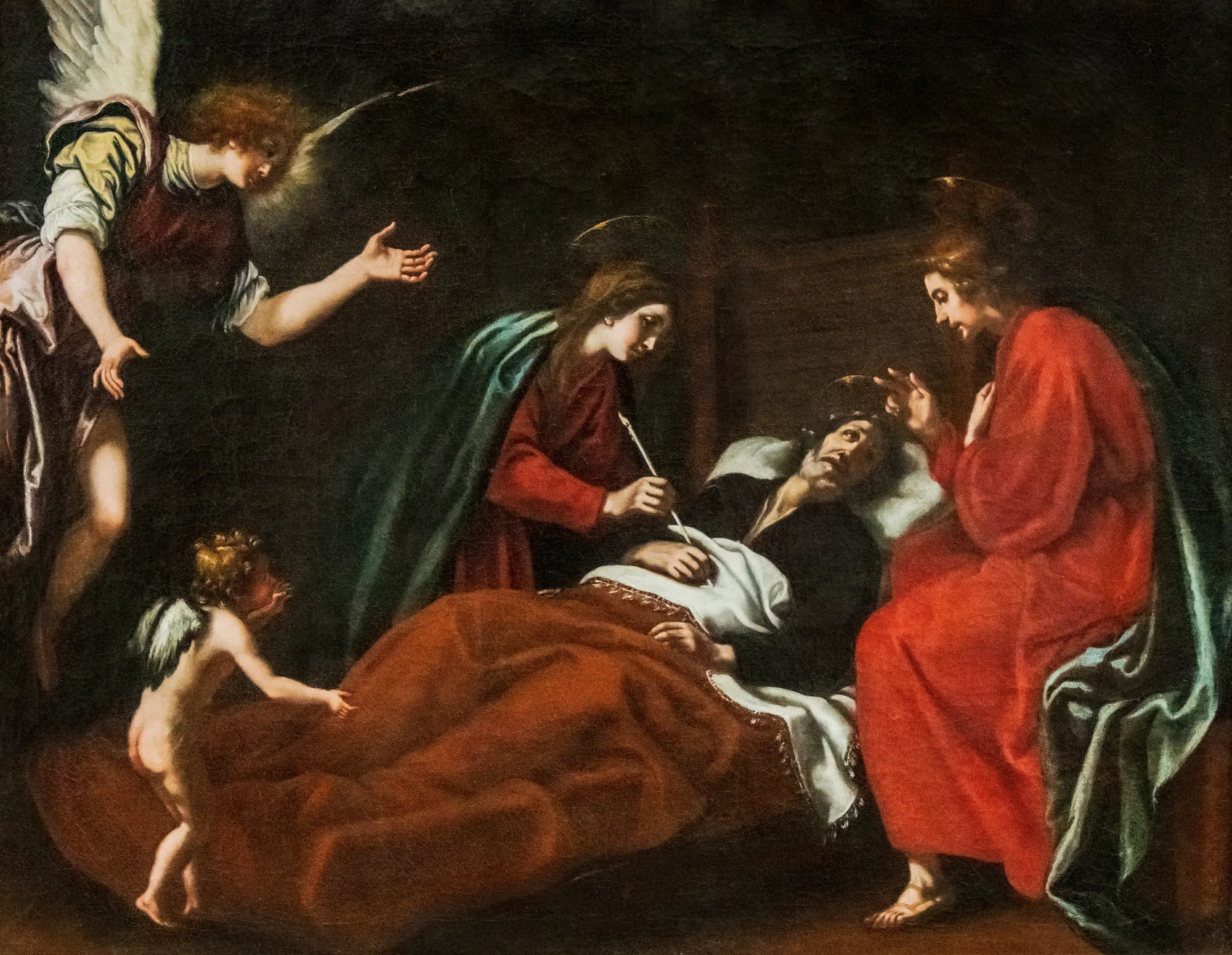
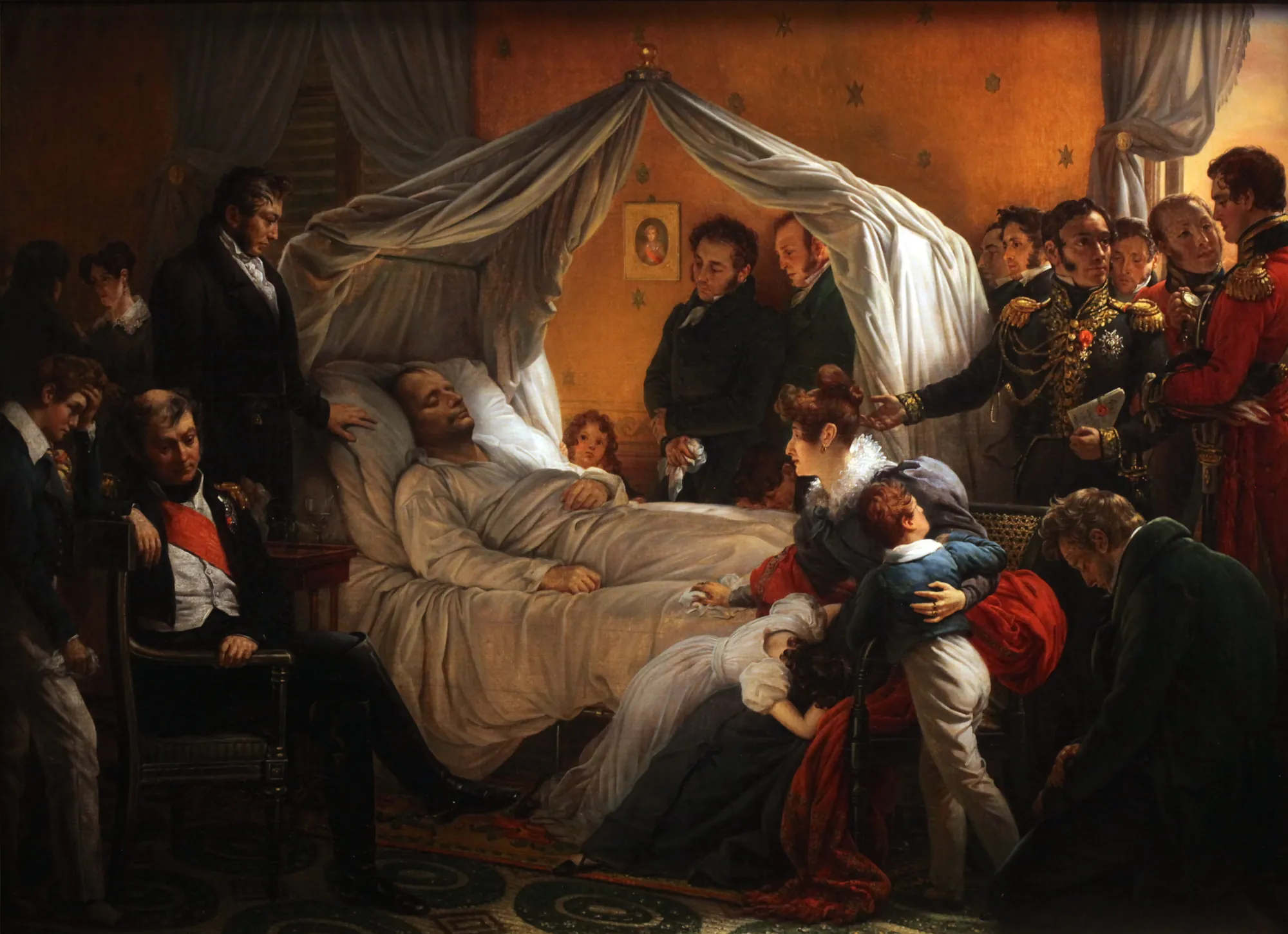
The Death of Napoleon
Charles de Steuben
A dramatic and somber historical masterpiece capturing the final moments of Napoleon Bonaparte in a grand neoclassical style.
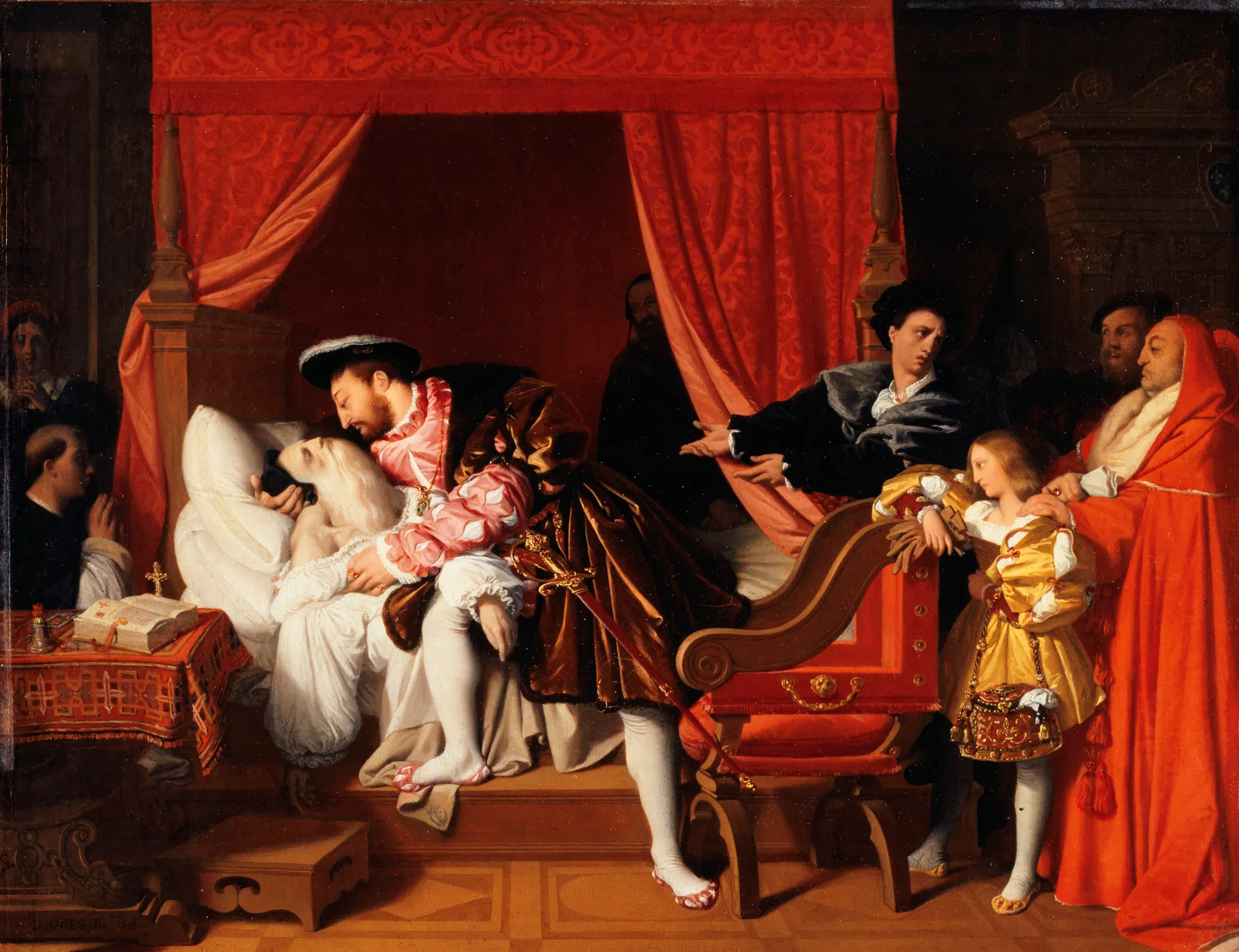
1818 · Oil Paint, Canvas
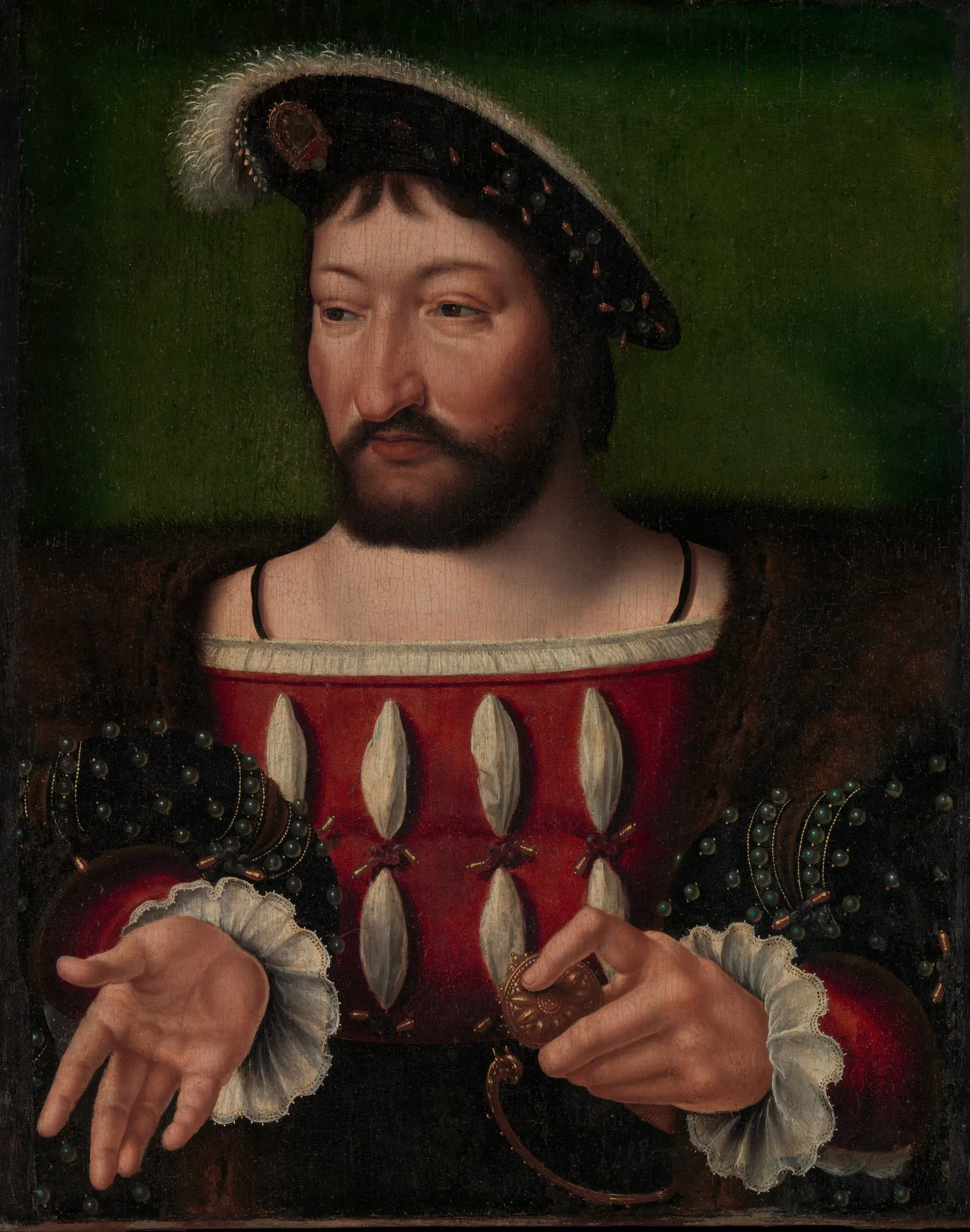
A poignant historical masterpiece by Ingres, capturing the legendary final moments of Leonardo da Vinci in the arms of the French King.
$129
For the selected configuration
From $129
5 frame sizes
Made to order in ~2 business days · Free U.S. standard shipping (typically 5–8 business days after dispatch)
Where it works
A grounded artwork with confident presence with softened warm notes — holds a formal wall with confidence.
About the piece
Created in 1818, this work by Jean-Auguste-Dominique Ingres exemplifies the Troubadour style, which romanticized the French past and the Renaissance. The scene depicts a legendary encounter where King Francis I attends the deathbed of his friend and polymath, Leonardo da Vinci. Ingres uses a rich, dramatic palette of crimson and gold to elevate the intimacy of the moment into a grand historical narrative.
More like this
Contains nudity
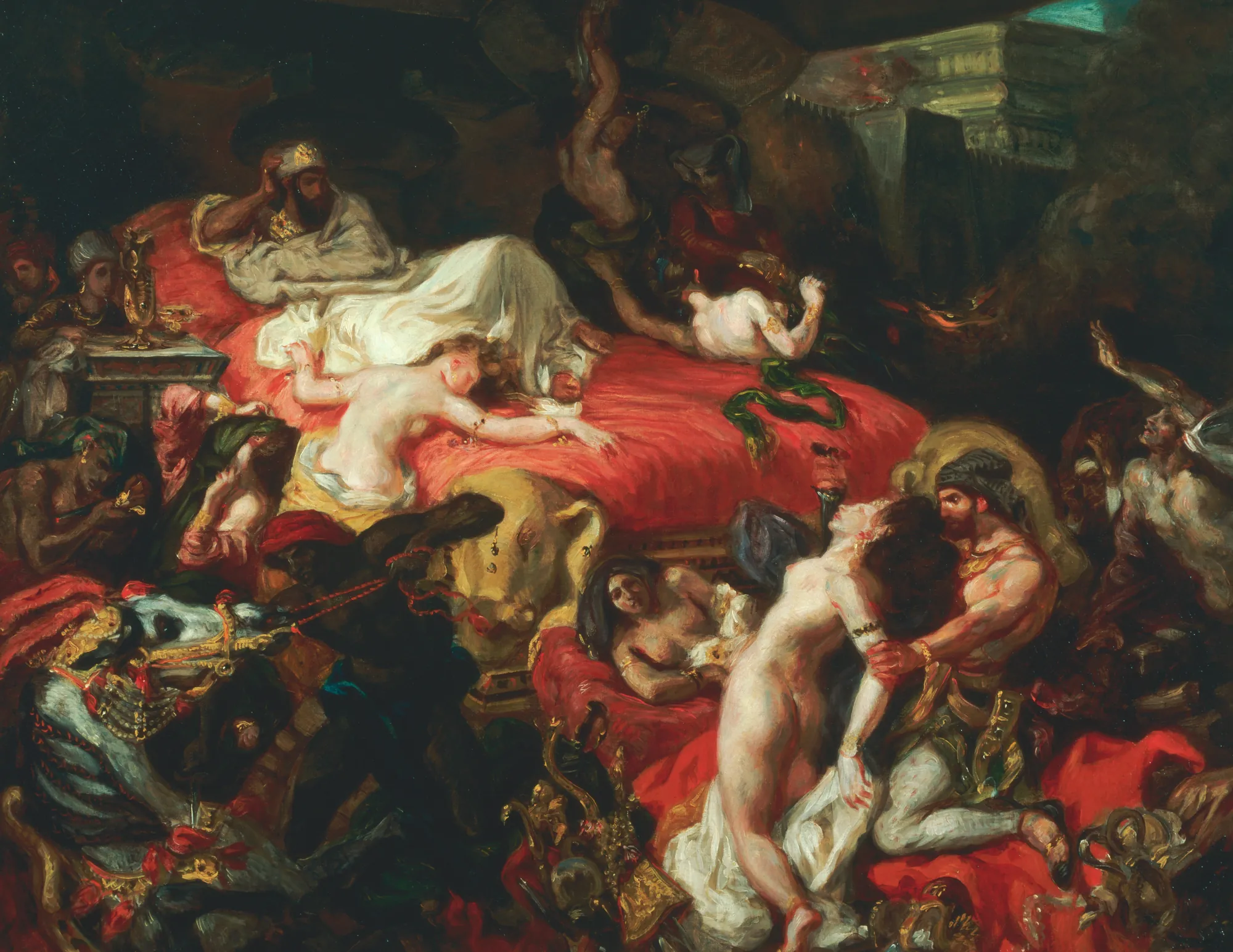
Figure Studies
Eugène Delacroix
An iconic masterpiece of French Romanticism, this painting captures the dramatic and tragic end of King Sardanapalus in a swirling vortex of color.
Contains nudity
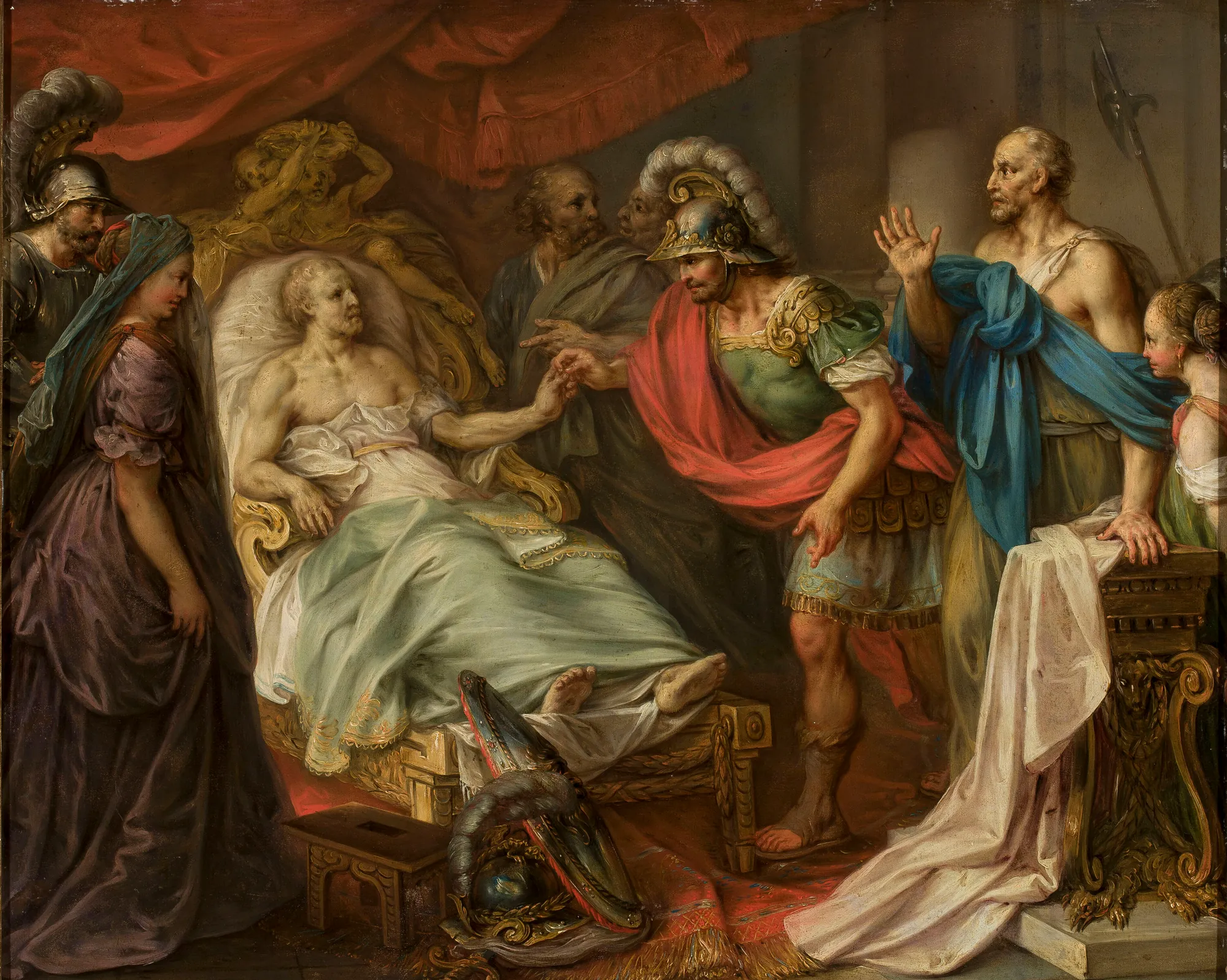
Figure Studies
Franz Xaver Wagenschön
A dramatic Neoclassical scene depicting the final moments of the legendary Roman general Belisarius.
Contains nudity
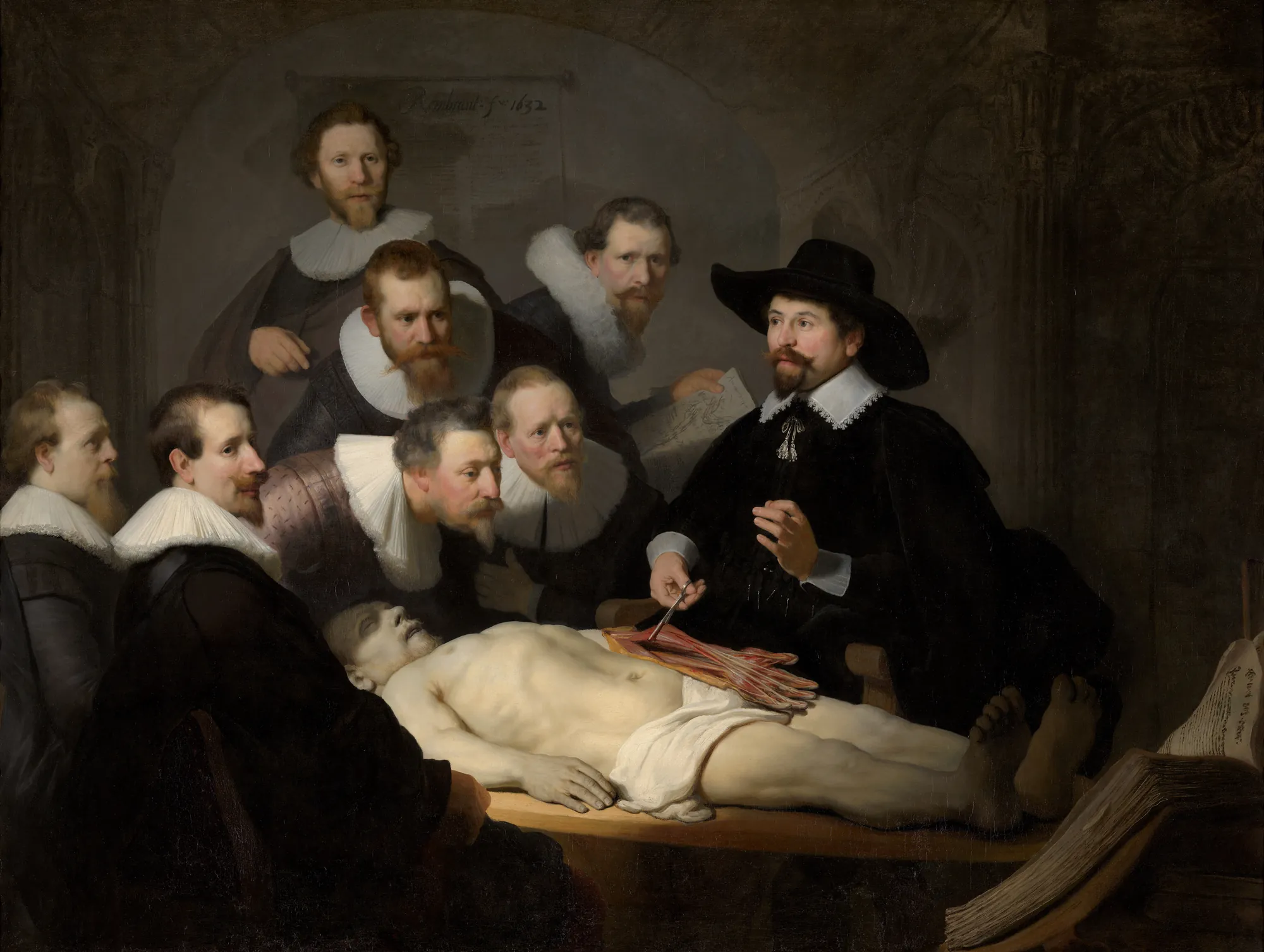
Dark Academia
Rembrandt
A dramatic masterpiece of light and shadow capturing a pivotal moment in 17th-century medical history.
1818 · Oil Paint, Canvas
A poignant historical masterpiece by Ingres, capturing the legendary final moments of Leonardo da Vinci in the arms of the French King.
$129
For the selected configuration
From $129
5 frame sizes
Made to order in ~2 business days · Free U.S. standard shipping (typically 5–8 business days after dispatch)
Where it works
A grounded artwork with confident presence with softened warm notes — holds a formal wall with confidence.