Moody Landscapes
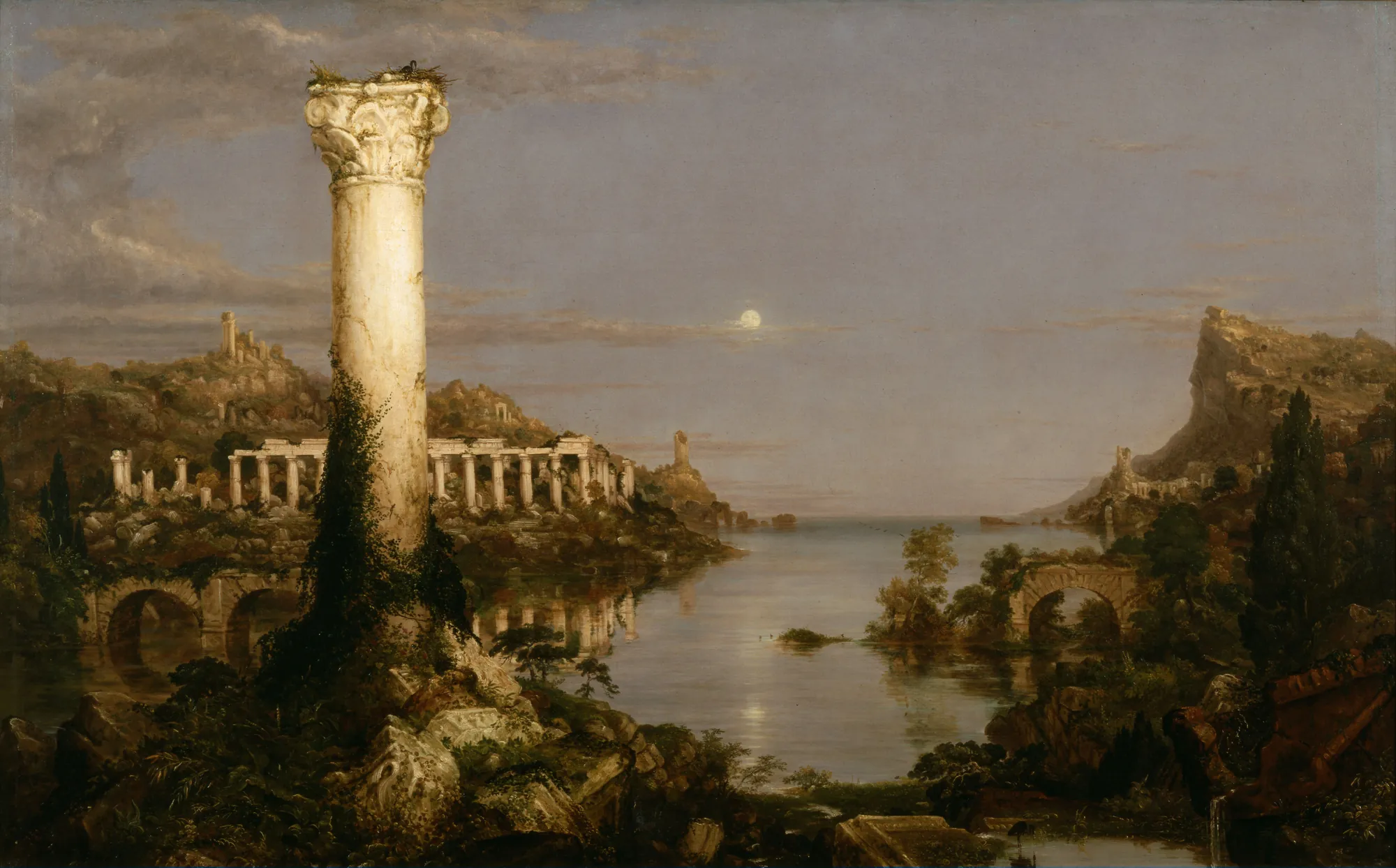
The Course of Empire: Desolation
Thomas Cole
An atmospheric moonlit landscape by Thomas Cole, depicting the quiet beauty of classical ruins reclaimed by nature.
1836 · Oil Paint, Canvas
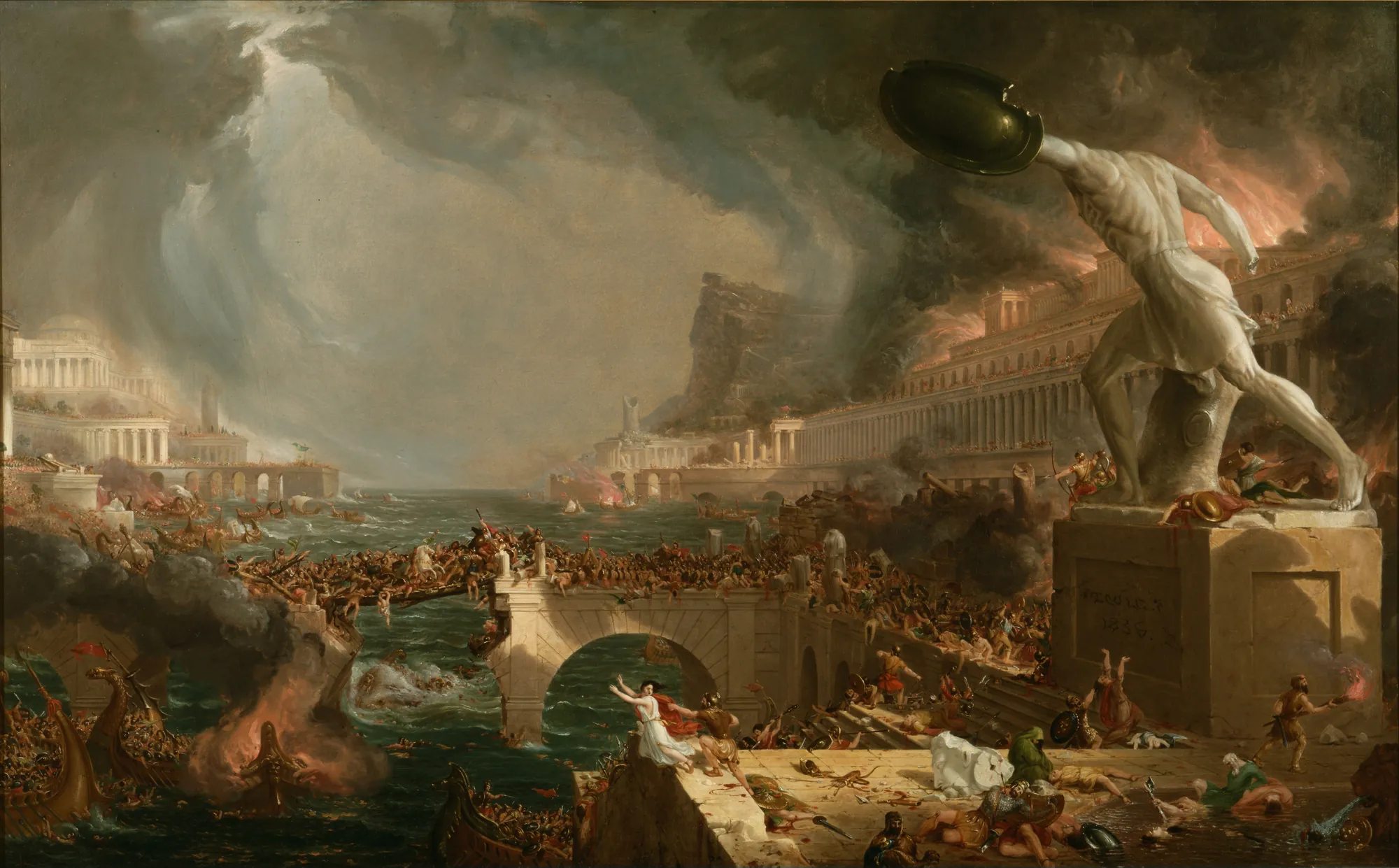
A dramatic and masterfully detailed masterpiece depicting the catastrophic fall of a classical empire.
$129
For the selected configuration
From $129
5 frame sizes
Made to order in ~2 business days · Free U.S. standard shipping (typically 5–8 business days after dispatch)
Where it works
A weightier piece with lively force with warm wood and umber notes — supports a polished room with depth.
About the piece
Created in 1836 as part of Thomas Cole's seminal five-part series, this oil painting captures the violent climax of a civilization's life cycle. The composition is filled with intense energy, from the burning architectural ruins and stormy skies to the headless statue of a warrior overlooking the carnage, exemplifying the Hudson River School's focus on historical allegory and atmospheric power.
More like this
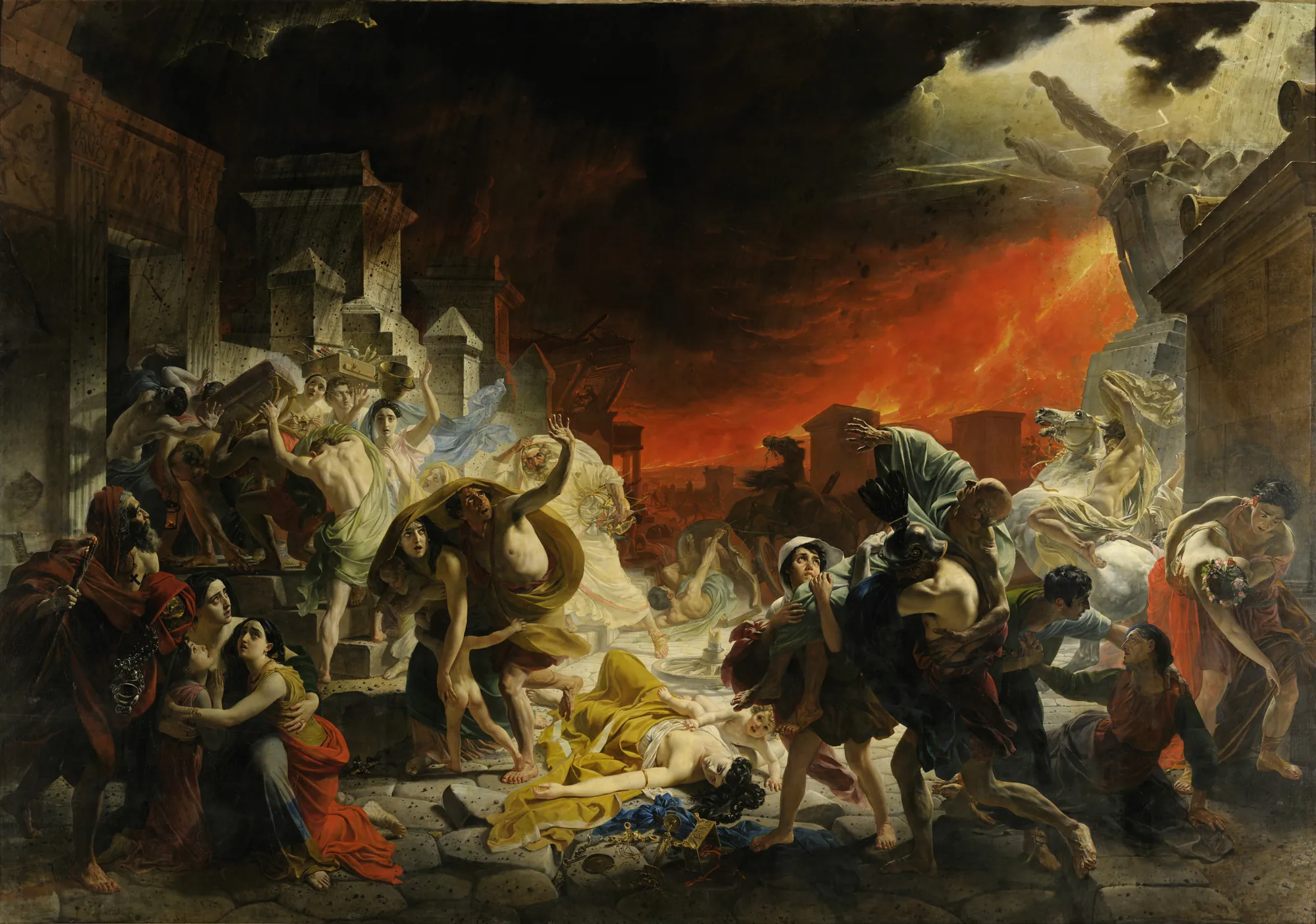
Contains nudity
oil paint
Karl Bryullov
A breathtaking masterpiece of Romanticism capturing the epic drama and human emotion of the destruction of Pompeii.
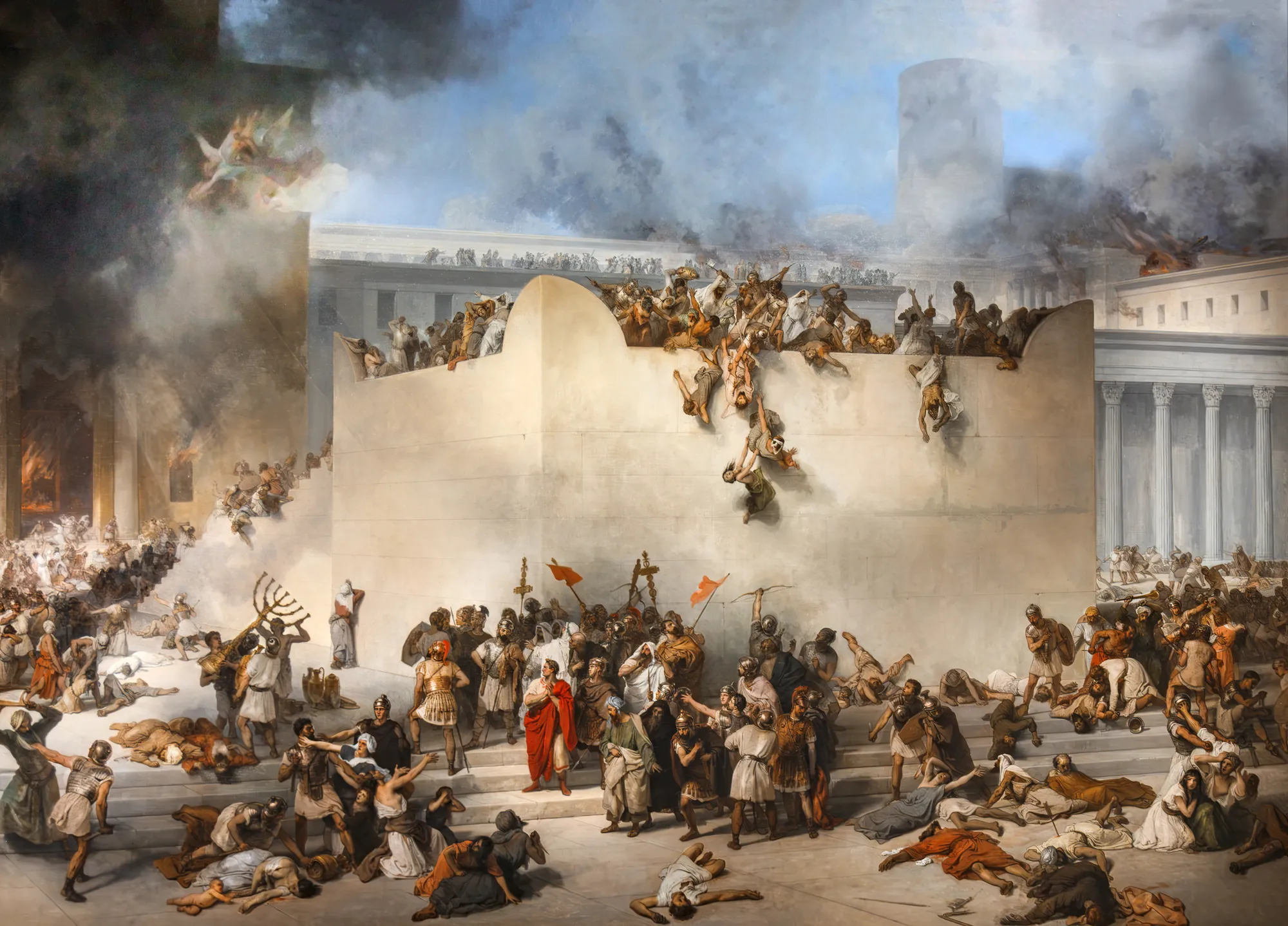
Contains disturbing content
Dark Academia
Francesco Hayez
A dramatic and monumental 19th-century history painting capturing the cinematic chaos of a fallen empire.
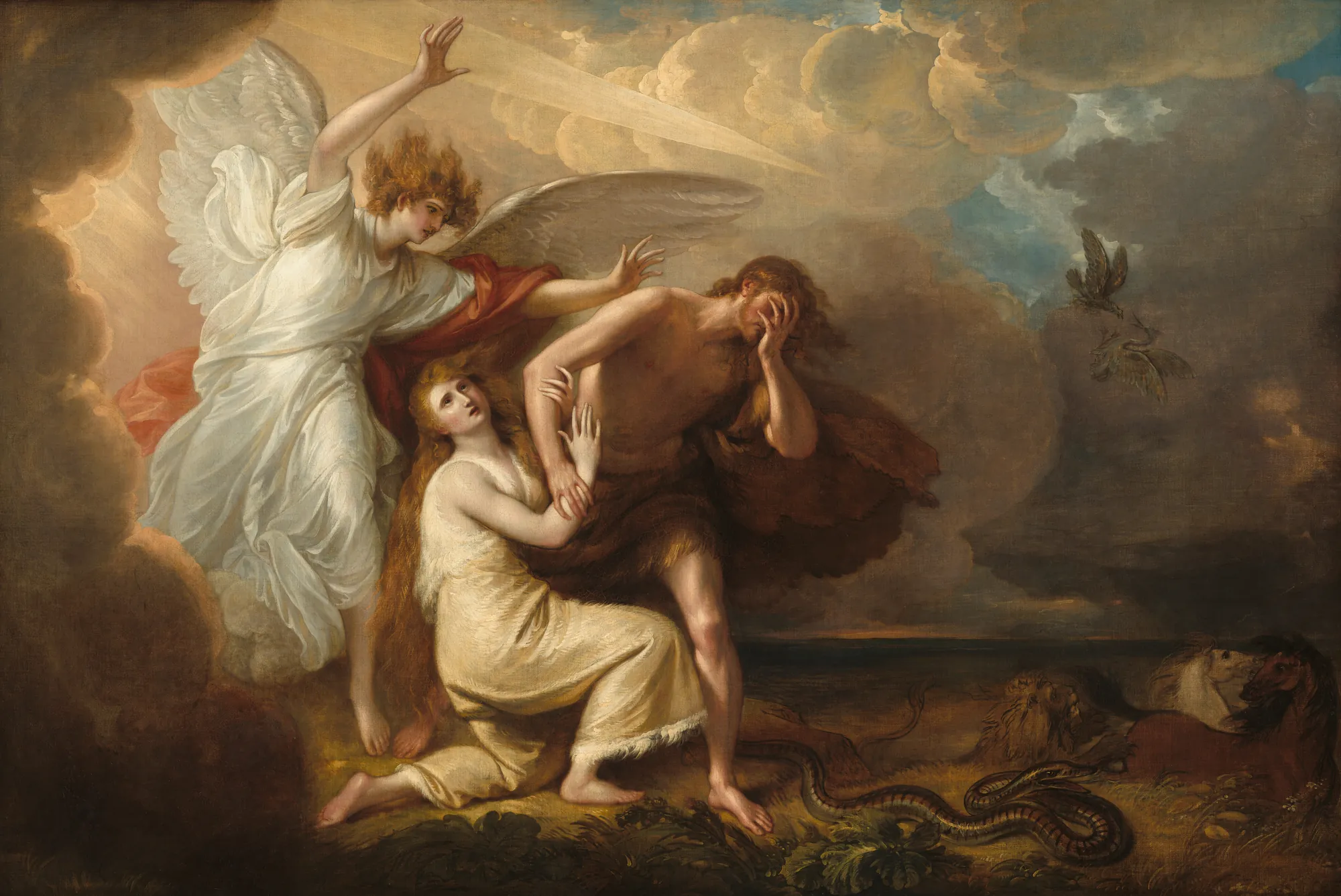
Contains nudity
Figure Studies
Benjamin West
A powerful neoclassical masterpiece by Benjamin West depicting the emotional intensity of the biblical expulsion from Eden.
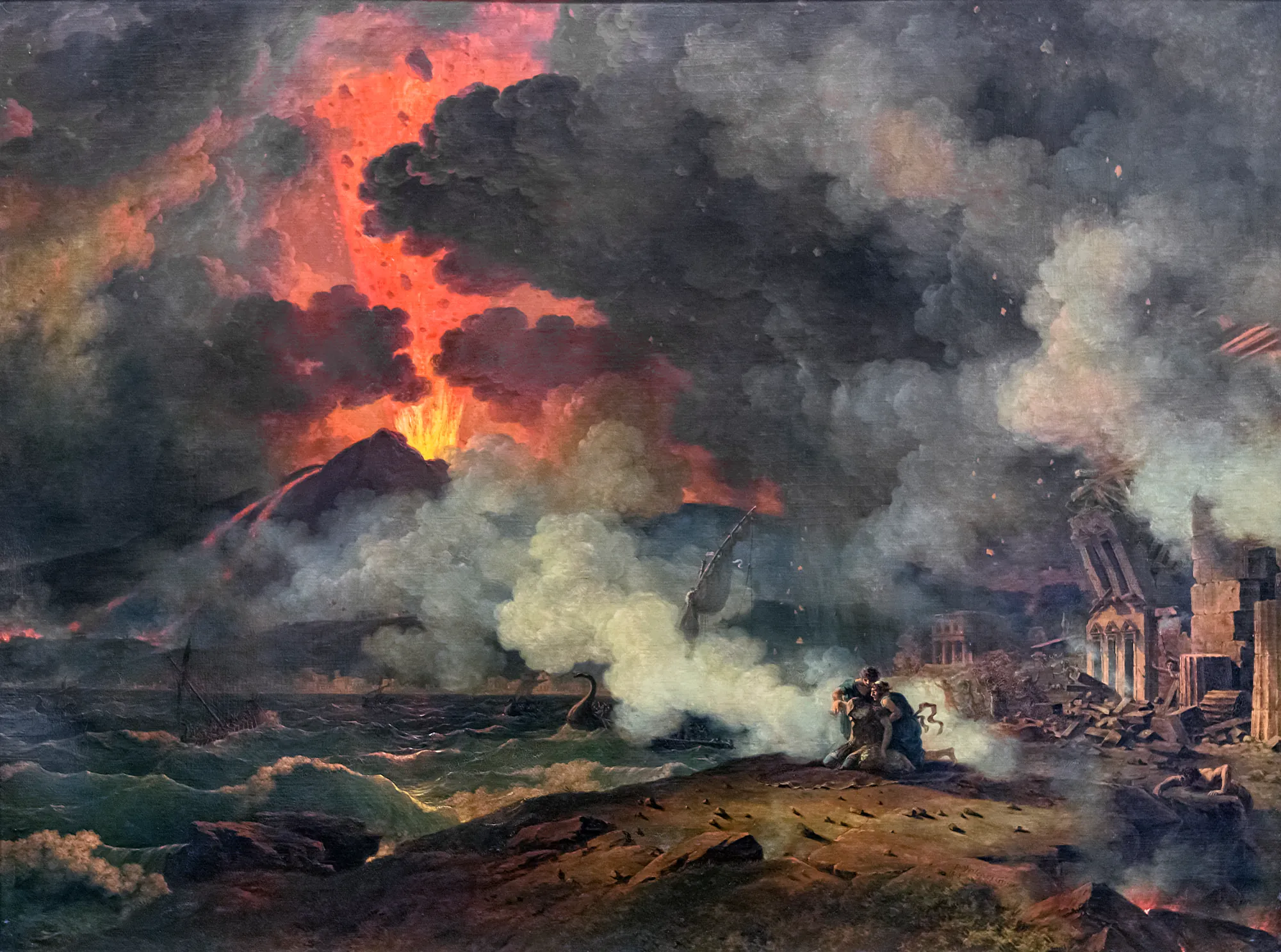
Contains disturbing content
Moody Landscapes
Pierre-Henri de Valenciennes
An intensely dramatic scene of the eruption of Vesuvius, capturing the raw power of nature through fiery light and swirling ash.
Contains nudity
Moody Landscapes
Théodore Géricault
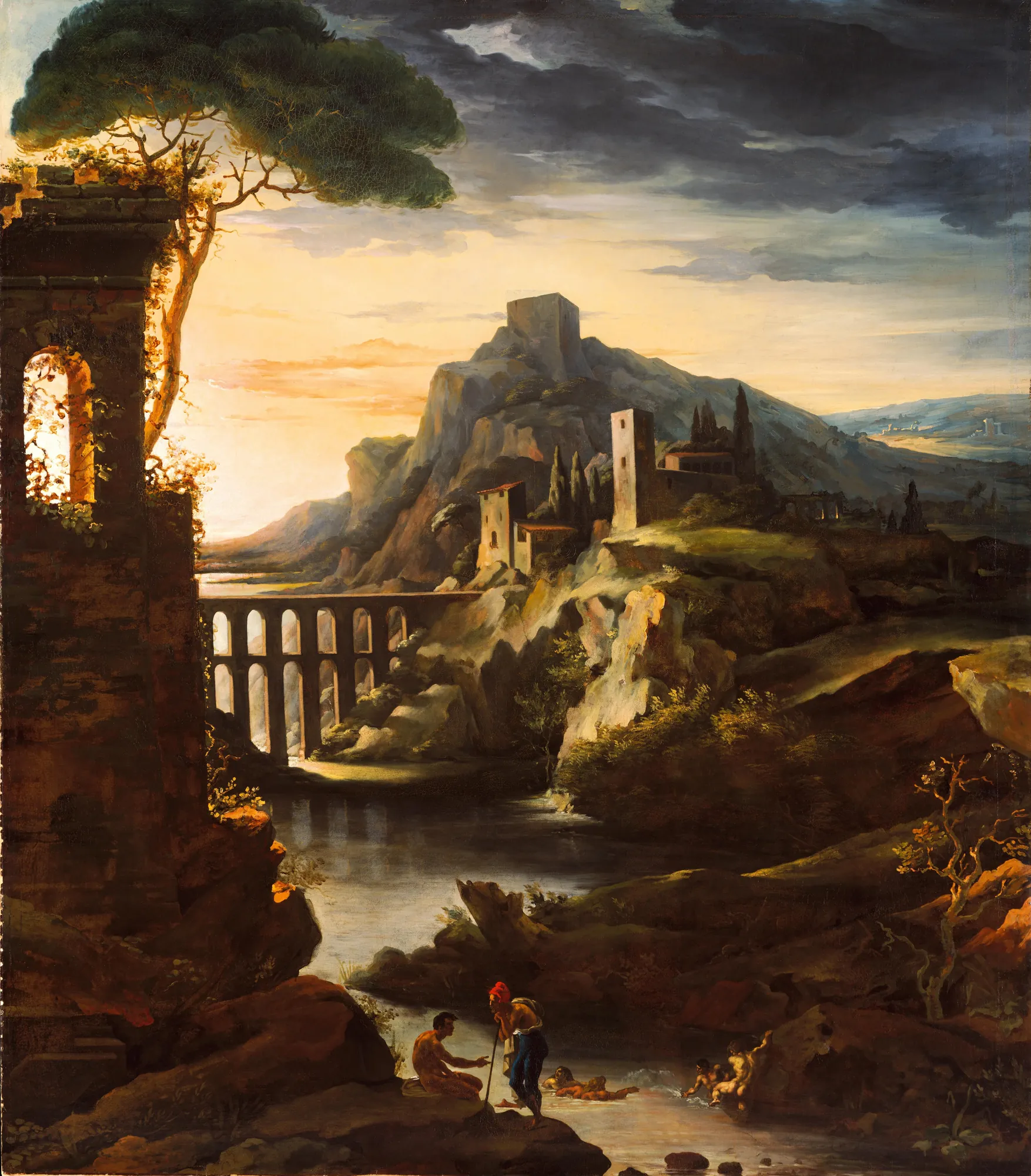
A powerful Romantic landscape defined by high contrast and a brooding atmospheric sky.
1836 · Oil Paint, Canvas
A dramatic and masterfully detailed masterpiece depicting the catastrophic fall of a classical empire.
$129
For the selected configuration
From $129
5 frame sizes
Made to order in ~2 business days · Free U.S. standard shipping (typically 5–8 business days after dispatch)
Where it works
A weightier piece with lively force with warm wood and umber notes — supports a polished room with depth.