Coastal Classics
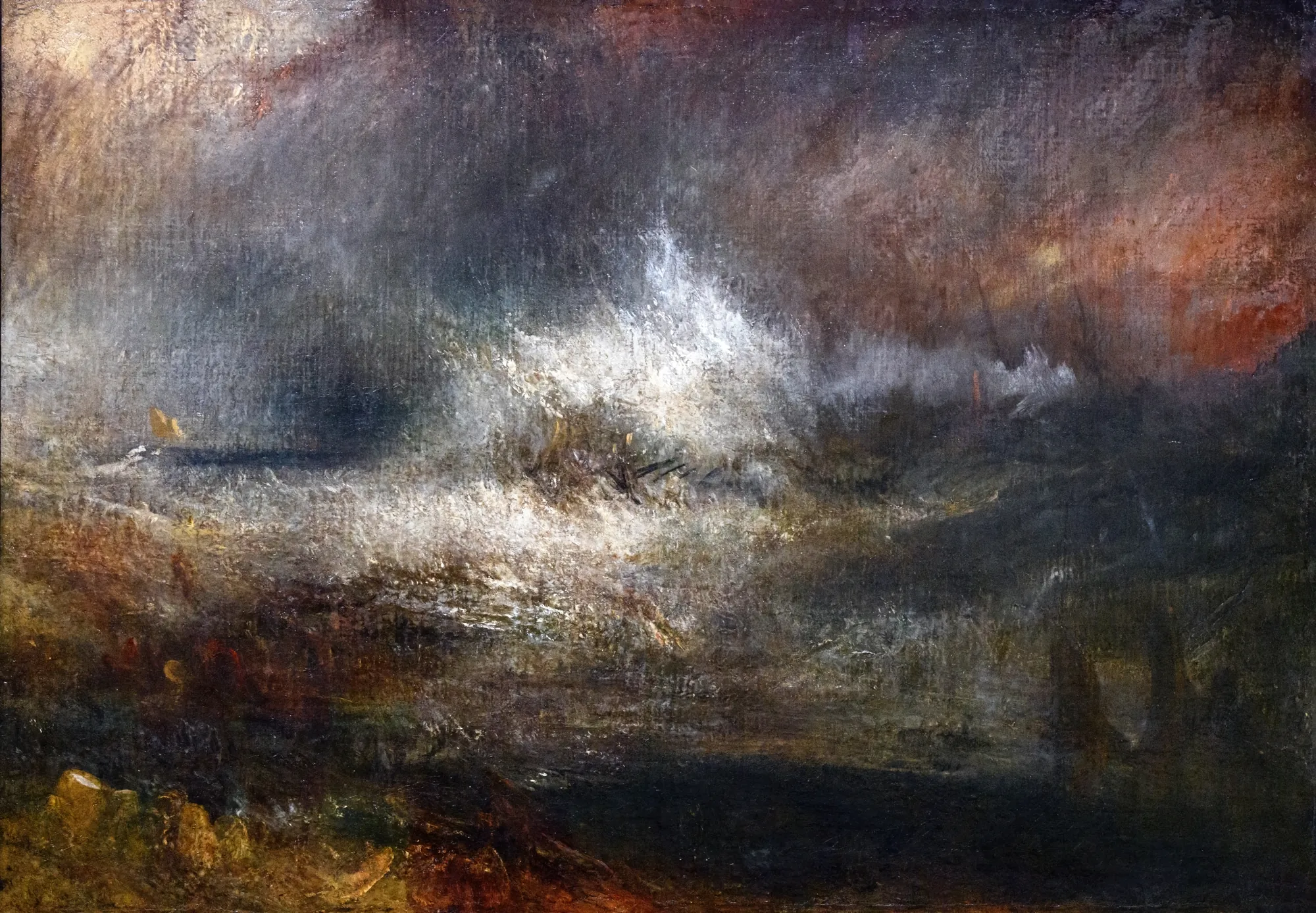
Stormy Sea with Blazing Wreck
J. M. W. Turner
A dramatic maritime masterpiece capturing the raw power and atmospheric light of a storm at sea.
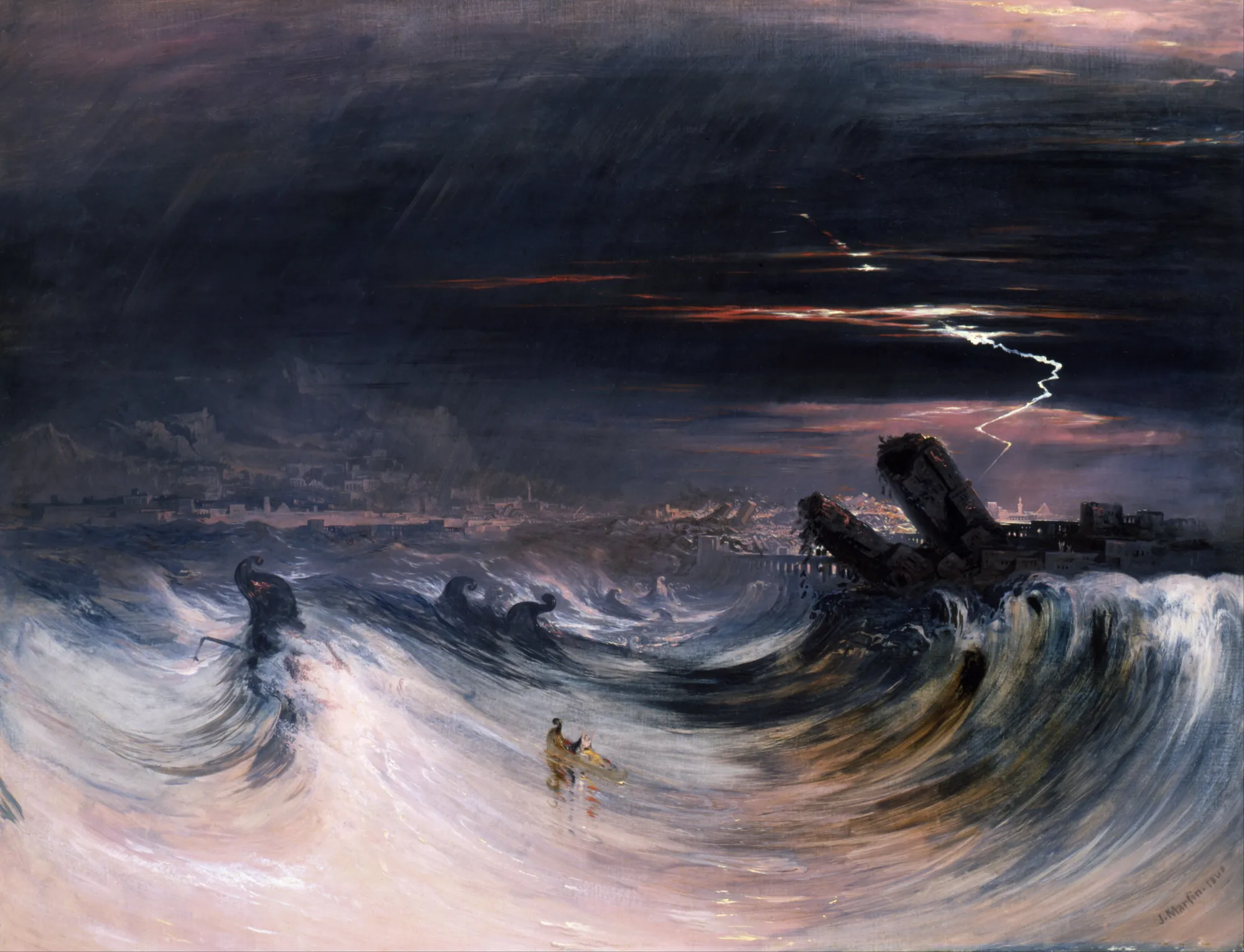
1840 · Oil Paint, Canvas
A powerful Romantic painting depicting a cataclysmic storm and lightning strike over a churning sea.
$129
For the selected configuration
From $129
5 frame sizes
Made to order in ~2 business days · Free U.S. standard shipping (typically 5–8 business days after dispatch)
Where it works
A bold work with active energy with softened cool notes — holds a formal wall with confidence.
About the piece
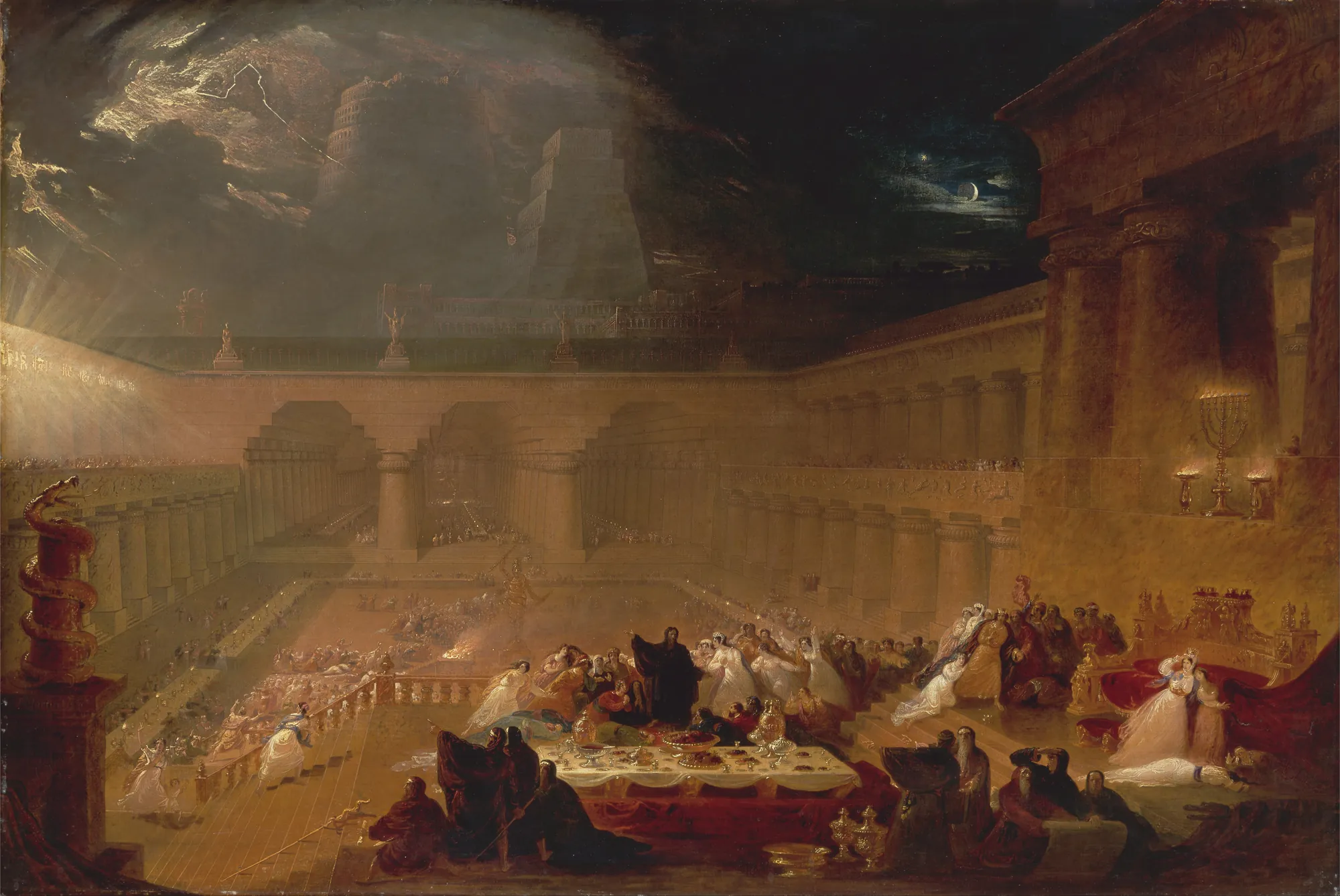
Painted in 1840, this dramatic work by John Martin captures the biblical destruction of Tyre with characteristic Romantic intensity. Martin utilizes a sweeping, panoramic composition and striking contrasts between the dark, stormy sky and the white foam of the crashing waves to convey a sense of sublime power.
More like this
Contains disturbing content
Moody Landscapes
Thomas Cole
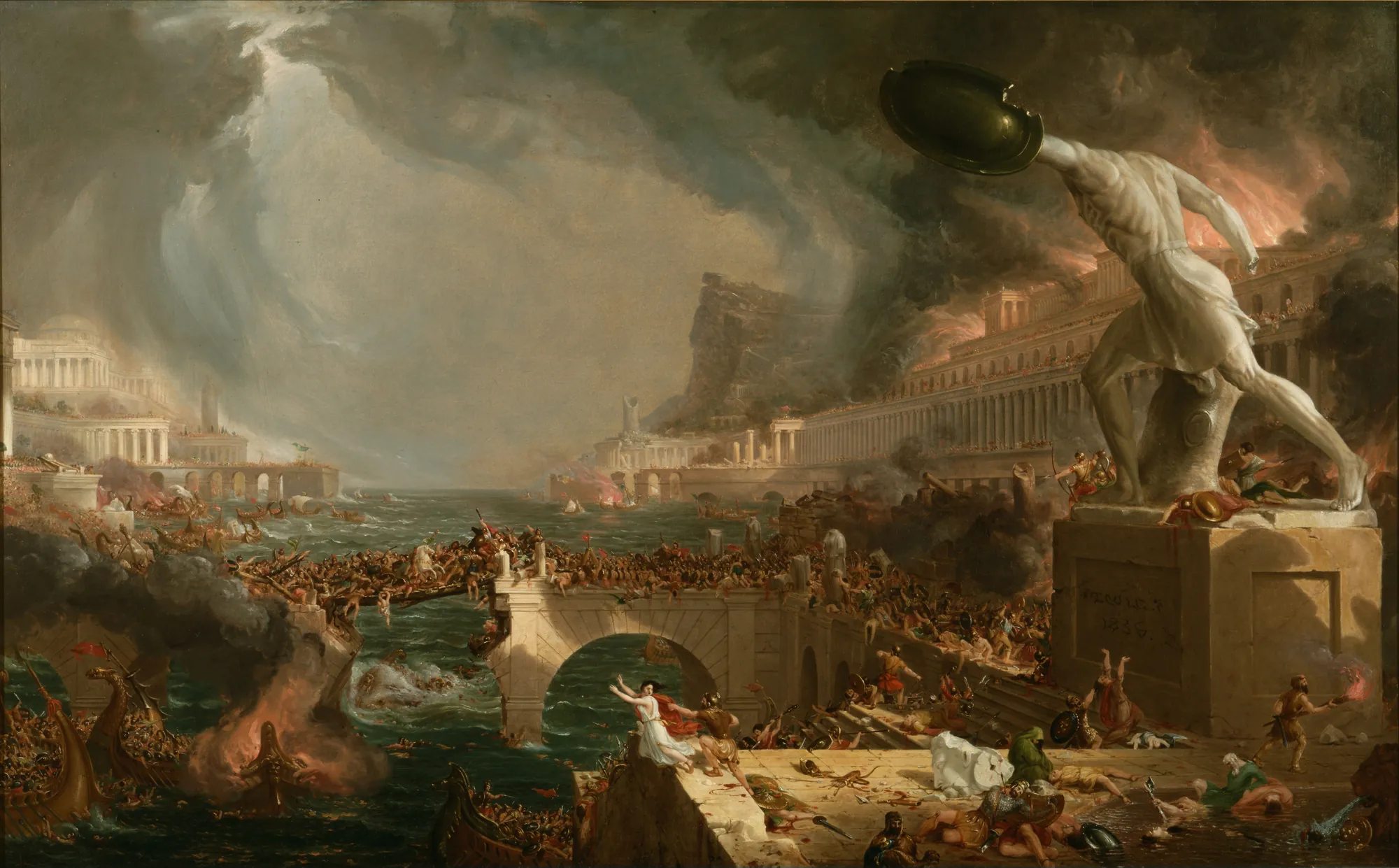
A dramatic and masterfully detailed masterpiece depicting the catastrophic fall of a classical empire.
Contains nudity
oil paint
Karl Bryullov
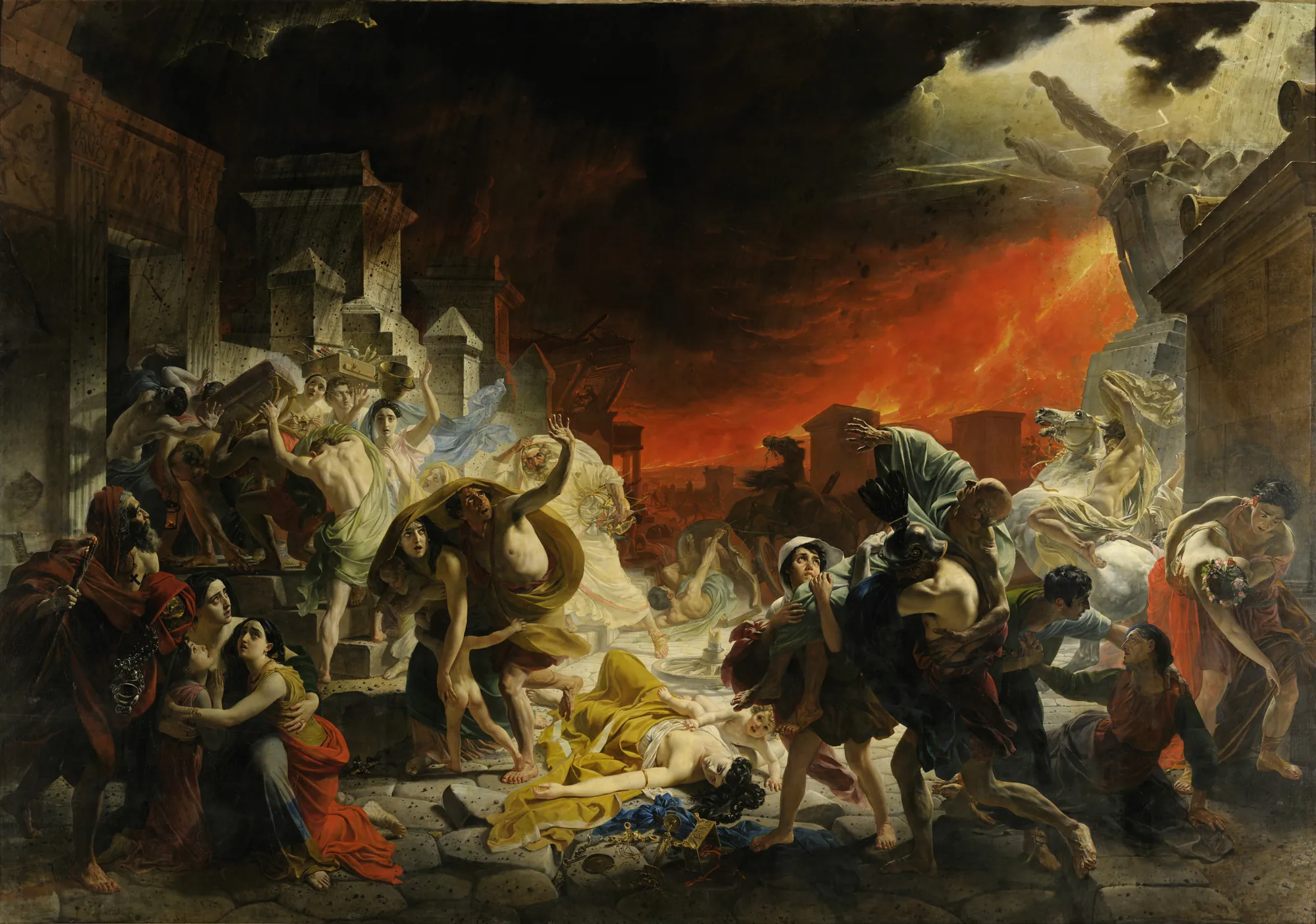
A breathtaking masterpiece of Romanticism capturing the epic drama and human emotion of the destruction of Pompeii.
Contains disturbing content
Moody Landscapes
Pierre-Henri de Valenciennes
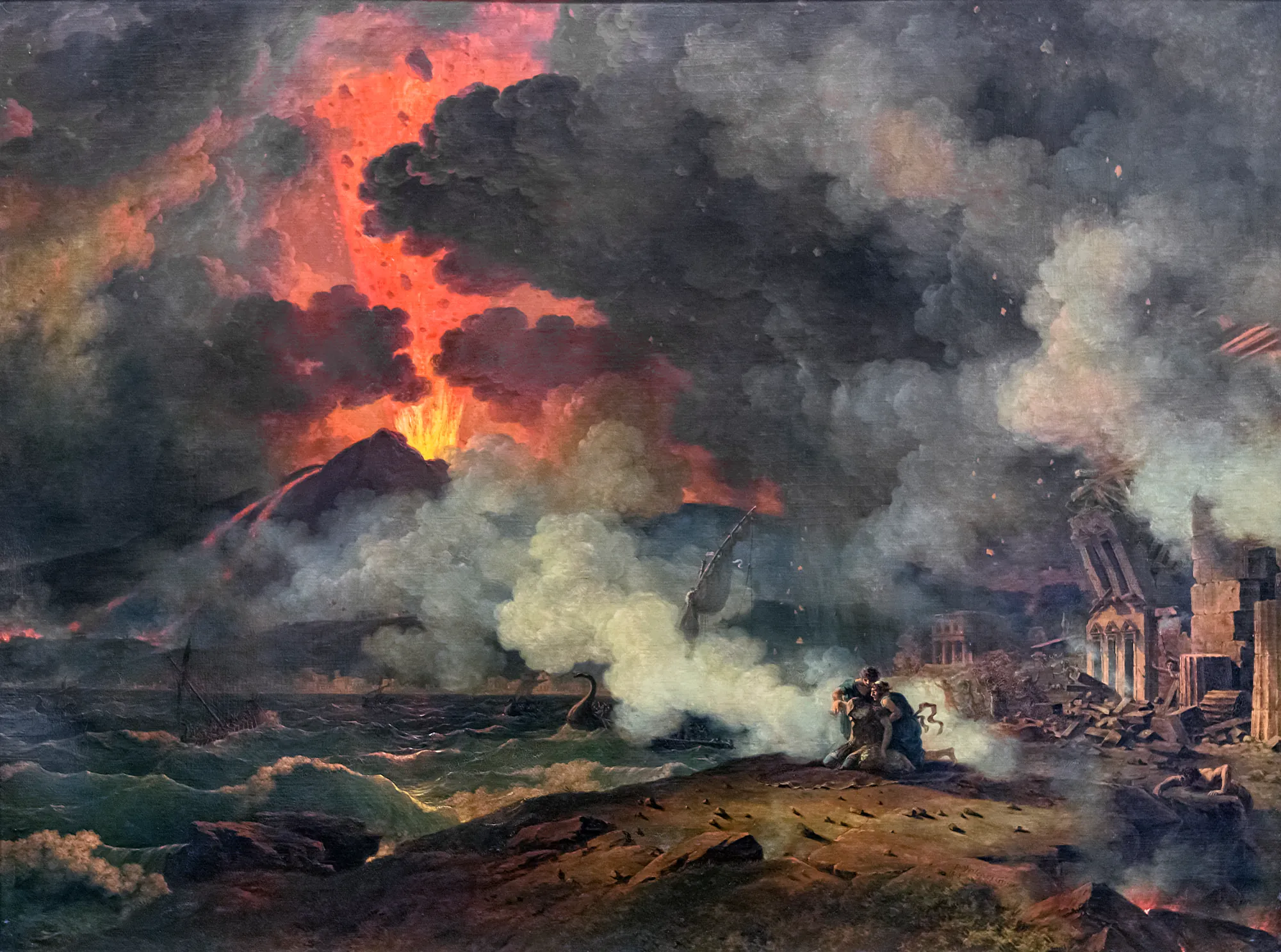
An intensely dramatic scene of the eruption of Vesuvius, capturing the raw power of nature through fiery light and swirling ash.
Contains nudity
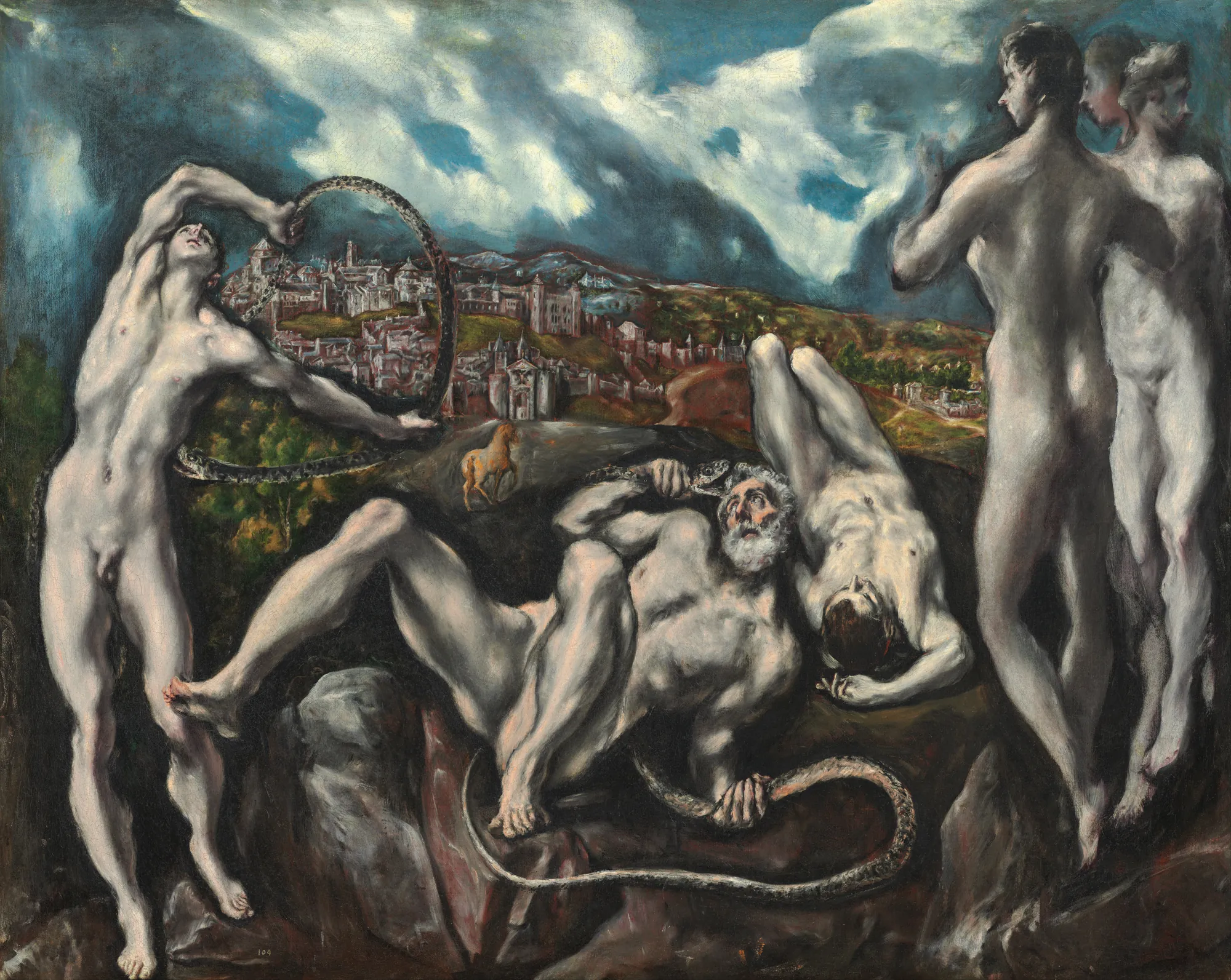
Figure Studies
El Greco
This dramatic Mannerist masterpiece captures the intense mythological struggle of Laocoön against a turbulent, visionary sky.
1840 · Oil Paint, Canvas
A powerful Romantic painting depicting a cataclysmic storm and lightning strike over a churning sea.
$129
For the selected configuration
From $129
5 frame sizes
Made to order in ~2 business days · Free U.S. standard shipping (typically 5–8 business days after dispatch)
Where it works
A bold work with active energy with softened cool notes — holds a formal wall with confidence.