Figure Studies
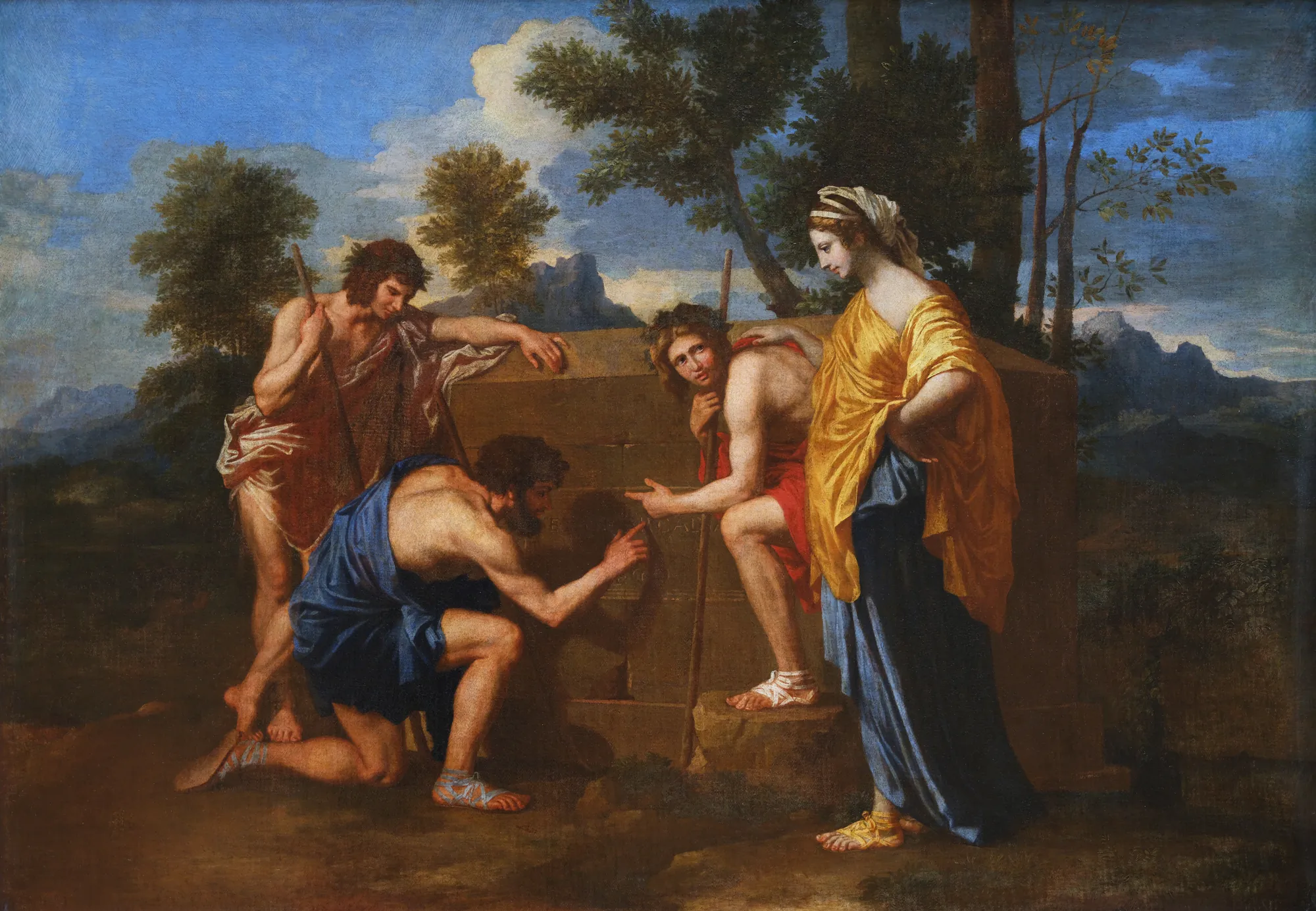
Et in Arcadia Ego
Nicolas Poussin
A masterpiece of French Classicism depicting four figures contemplating a stone tomb in a serene, mythical landscape.
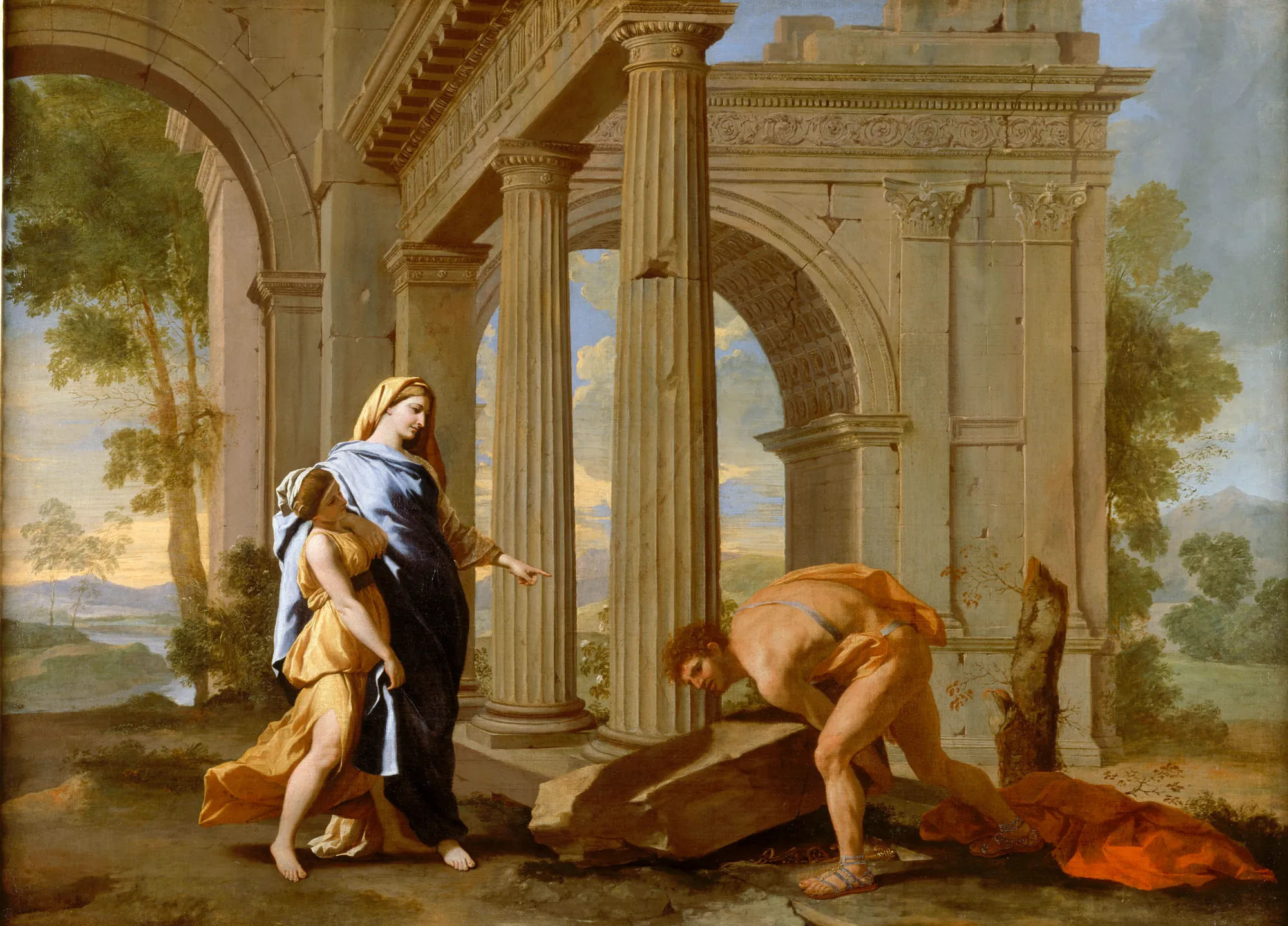
1638 · Oil Paint, Canvas
A masterful classical scene depicting the mythological moment Theseus discovers his heritage among majestic ancient ruins.
$260
For the selected configuration
From $129
4 frame sizes
Made to order in ~2 business days · Free U.S. standard shipping (typically 5–8 business days after dispatch)
Where it works
A substantial, grounding work in a warmer tonal register — supports a polished room with depth.
About the piece
Painted circa 1638 by Nicolas Poussin, this work illustrates the Greek myth of Theseus recovering his father's sword and sandals from beneath a heavy stone. Set against a backdrop of grand Corinthian columns and triumphal arches, the composition exemplifies the artist's refined French Baroque style and his dedication to classical clarity and order.
More like this
Contains nudity
Figure Studies
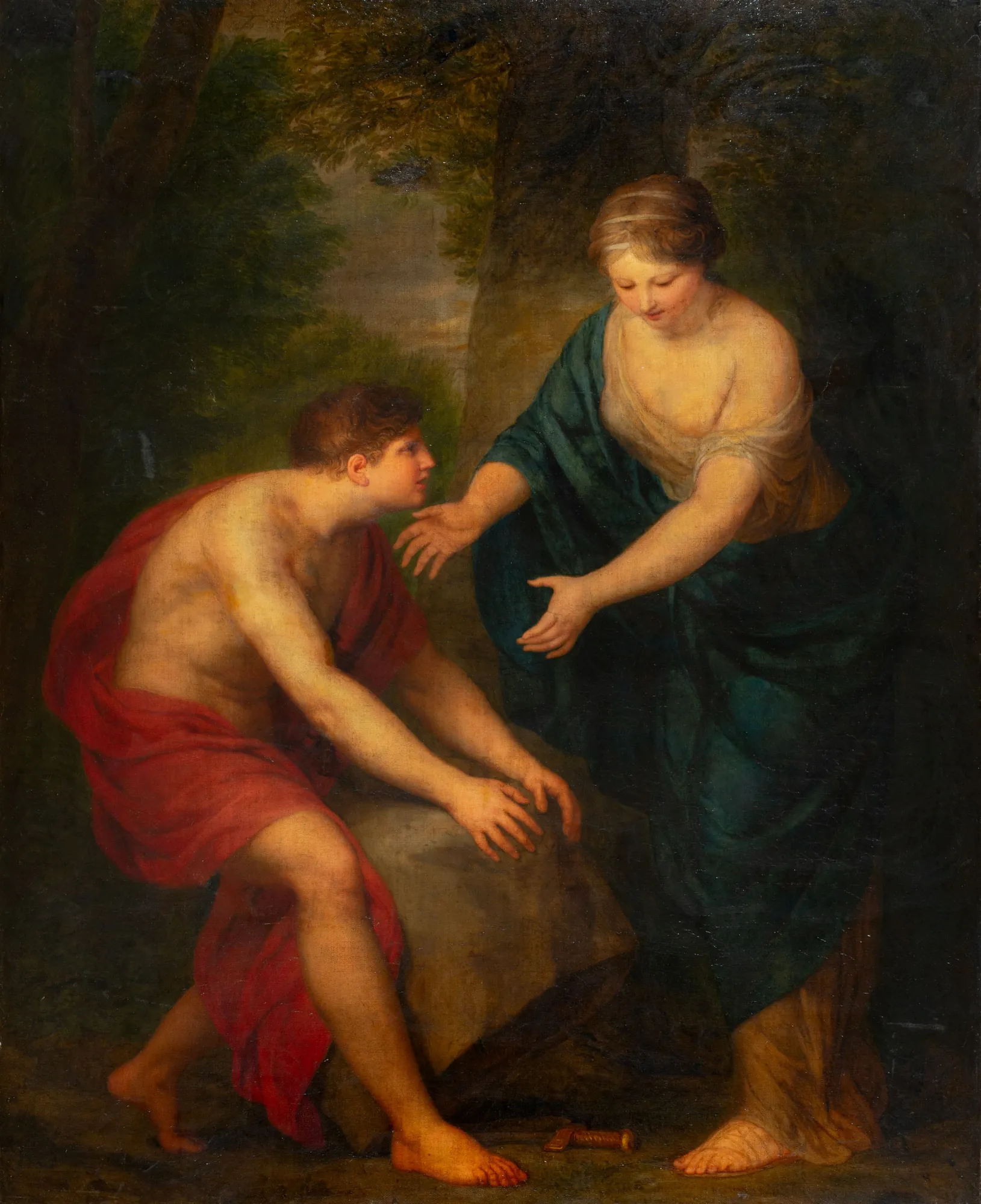
Andries Cornelis Lens
A classical mythological scene depicting Theseus discovering the tokens of his father beneath a great stone.
Contains nudity
Figure Studies
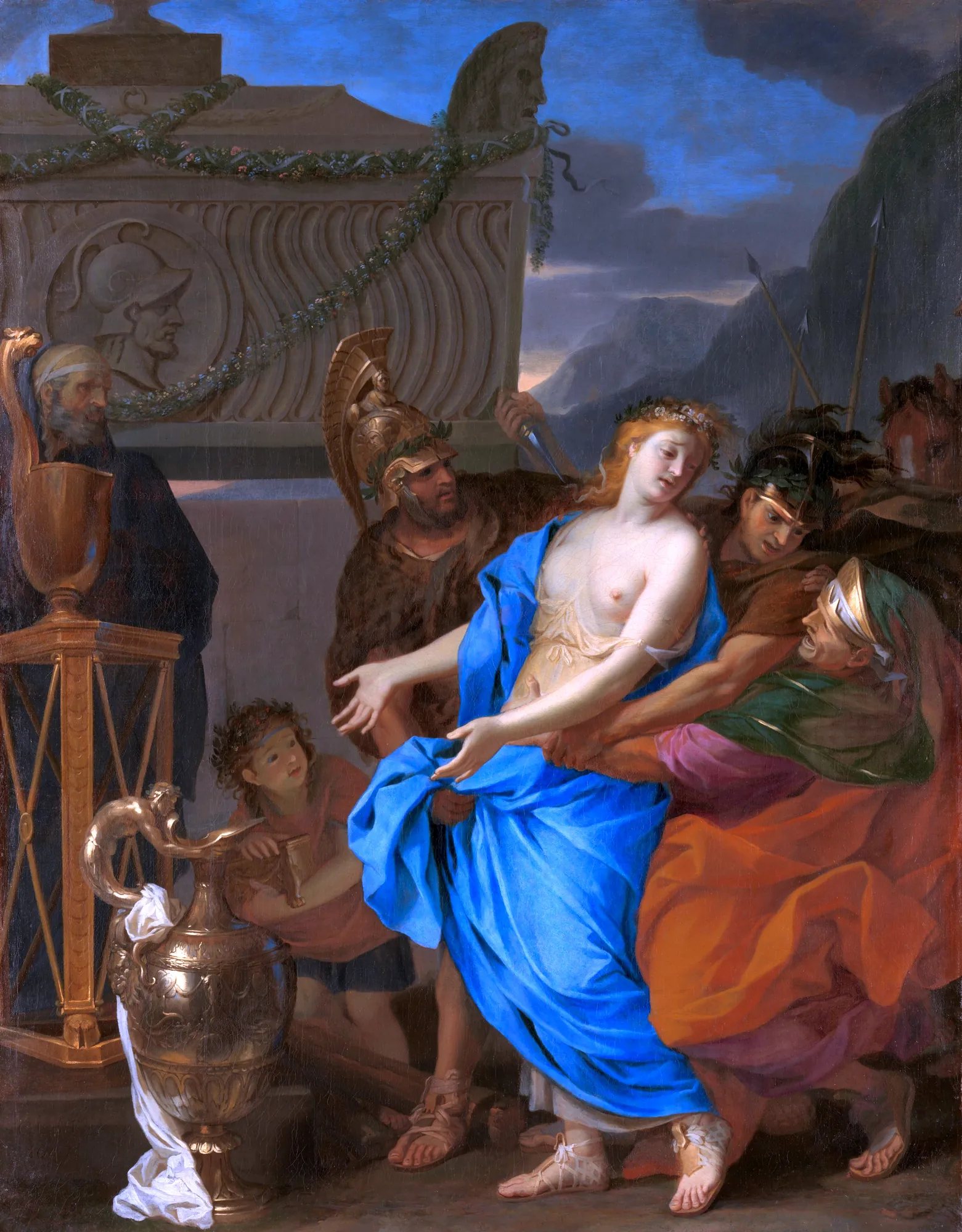
Charles Le Brun
This dramatic 17th-century masterpiece depicts a poignant moment from classical mythology with striking contrast and vibrant color.
Contains disturbing content
Dark Academia
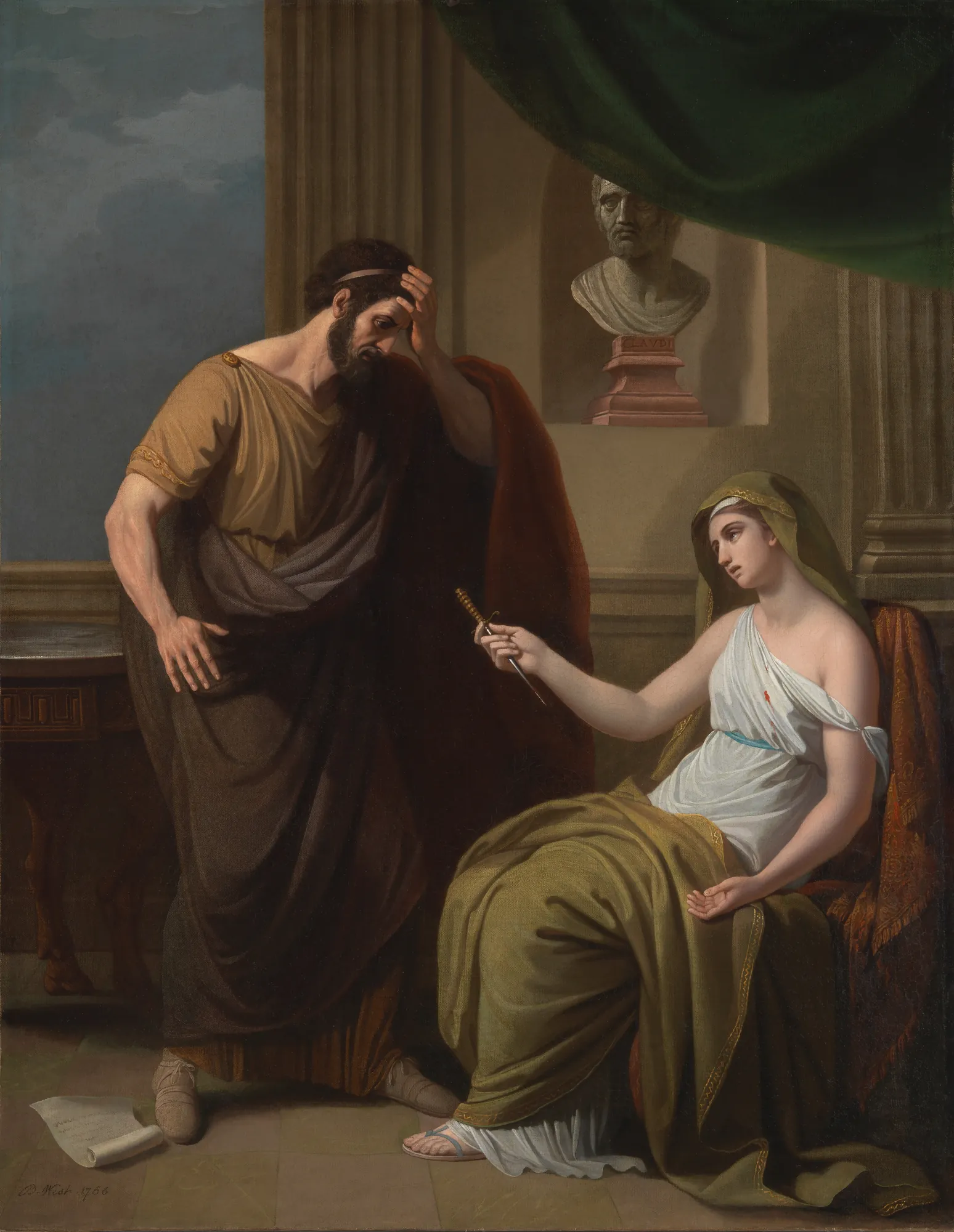
Benjamin West
A poignant Neoclassical scene by Benjamin West depicting the Roman story of Paetus and Arria in a dramatic, dignified composition.

Contains nudity
Figure Studies
Antonio Zanchi
A masterful Baroque depiction of the mythic struggle of Sisyphus, defined by intense lighting and muscular tension.
1638 · Oil Paint, Canvas
A masterful classical scene depicting the mythological moment Theseus discovers his heritage among majestic ancient ruins.
$260
For the selected configuration
From $129
4 frame sizes
Made to order in ~2 business days · Free U.S. standard shipping (typically 5–8 business days after dispatch)
Where it works
A substantial, grounding work in a warmer tonal register — supports a polished room with depth.