Figure Studies
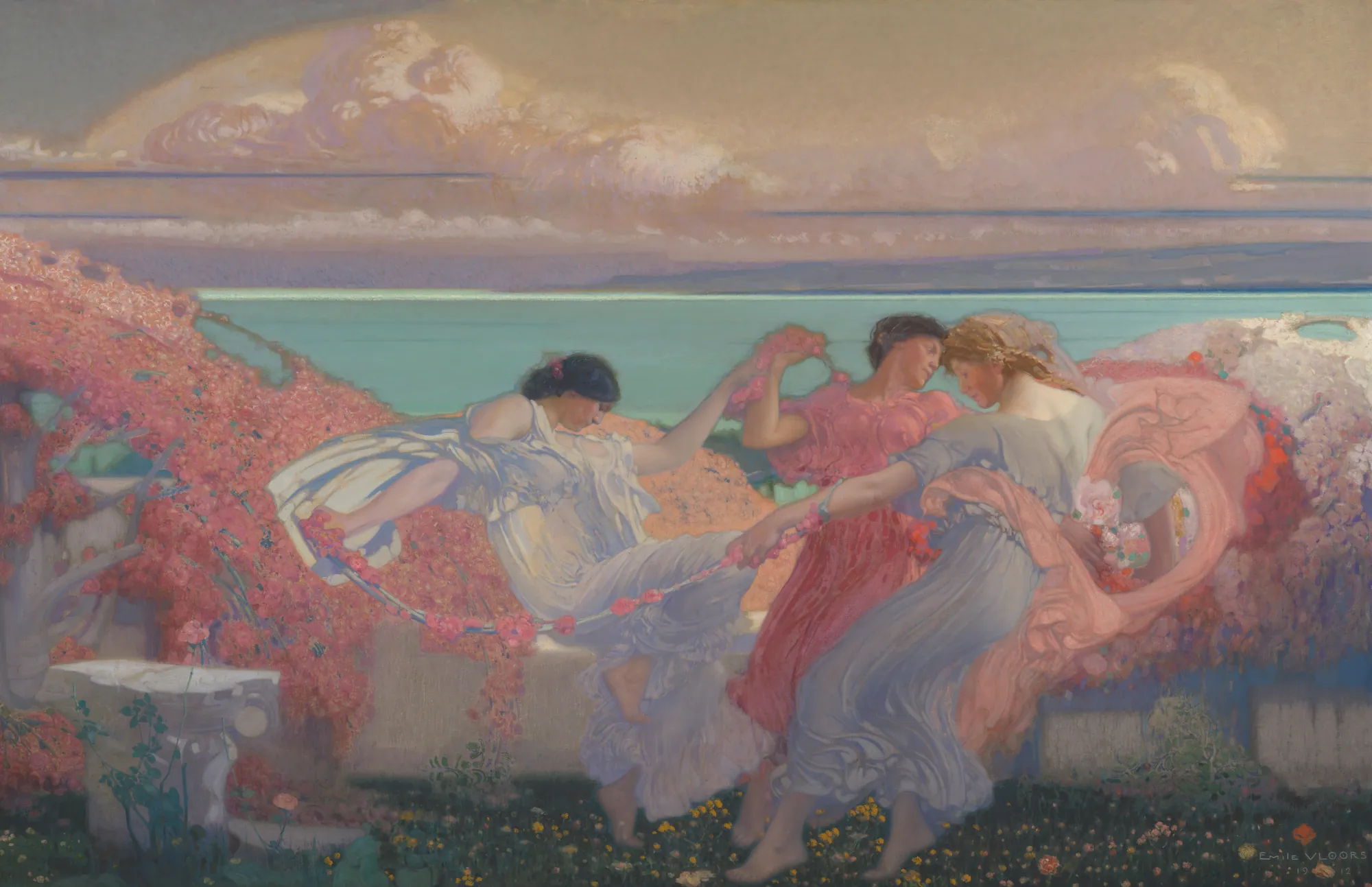
The Circle Dance (De rondedans)
Emile Vloors
An ethereal Symbolist scene featuring three dancing figures in a luminous, dreamlike coastal landscape.
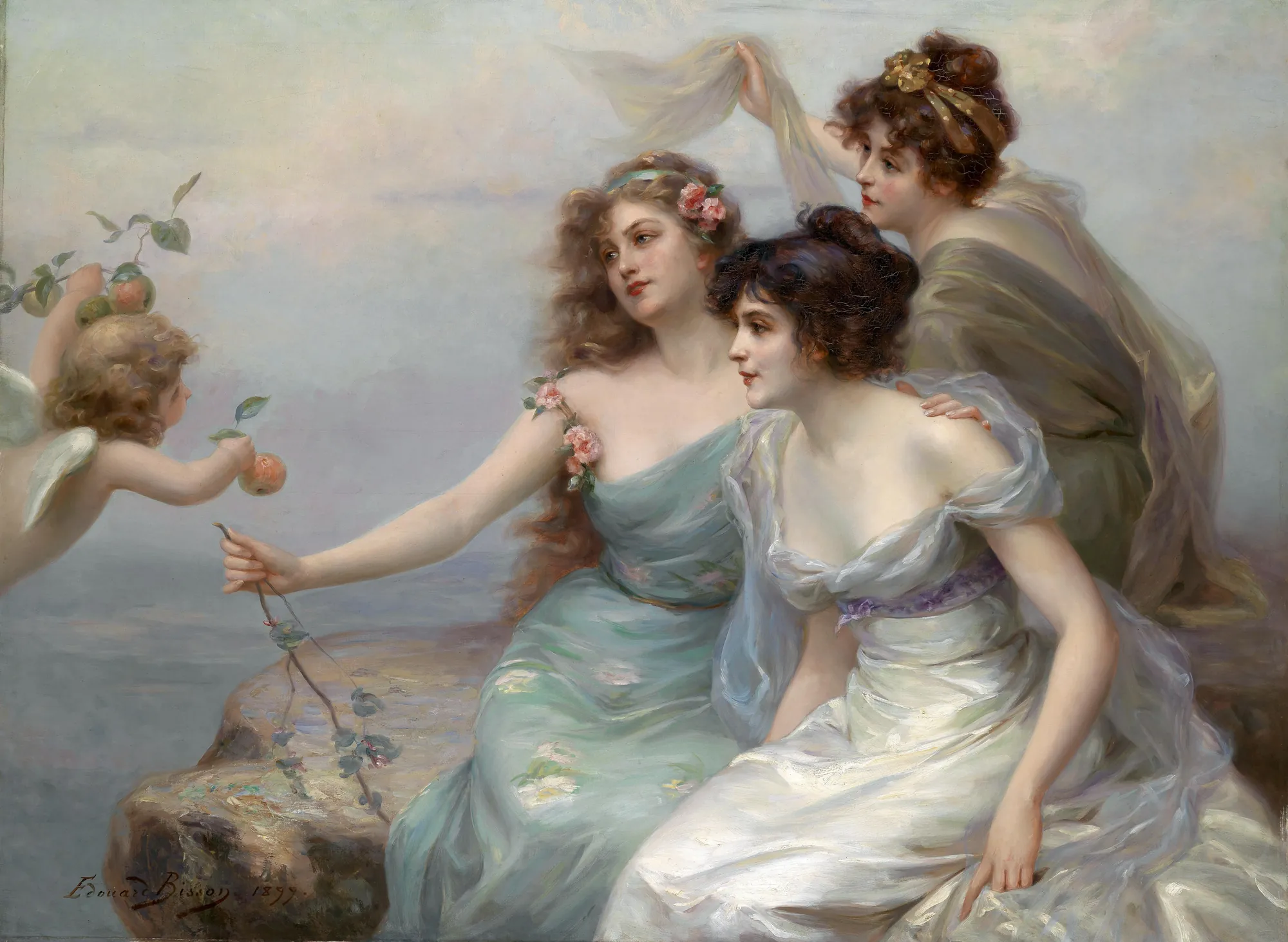
1899 · Oil Paint, Canvas
An ethereal Belle Époque depiction of the Three Graces visited by a playful cherub in a luminous coastal setting.
$260
For the selected configuration
From $129
2 frame sizes
Made to order in ~2 business days · Free U.S. standard shipping (typically 5–8 business days after dispatch)
Where it works
A measured, restful work with softened warm notes — sits comfortably in a more formal setting.
About the piece
Painted in 1899 by French artist Édouard Bisson, this work captures the mythological Three Graces in a soft, atmospheric Belle Époque style. The figures are rendered with delicate, luminous brushwork typical of late 19th-century academic painting, set against a hazy background that emphasizes the grace and beauty of the subjects.
More like this
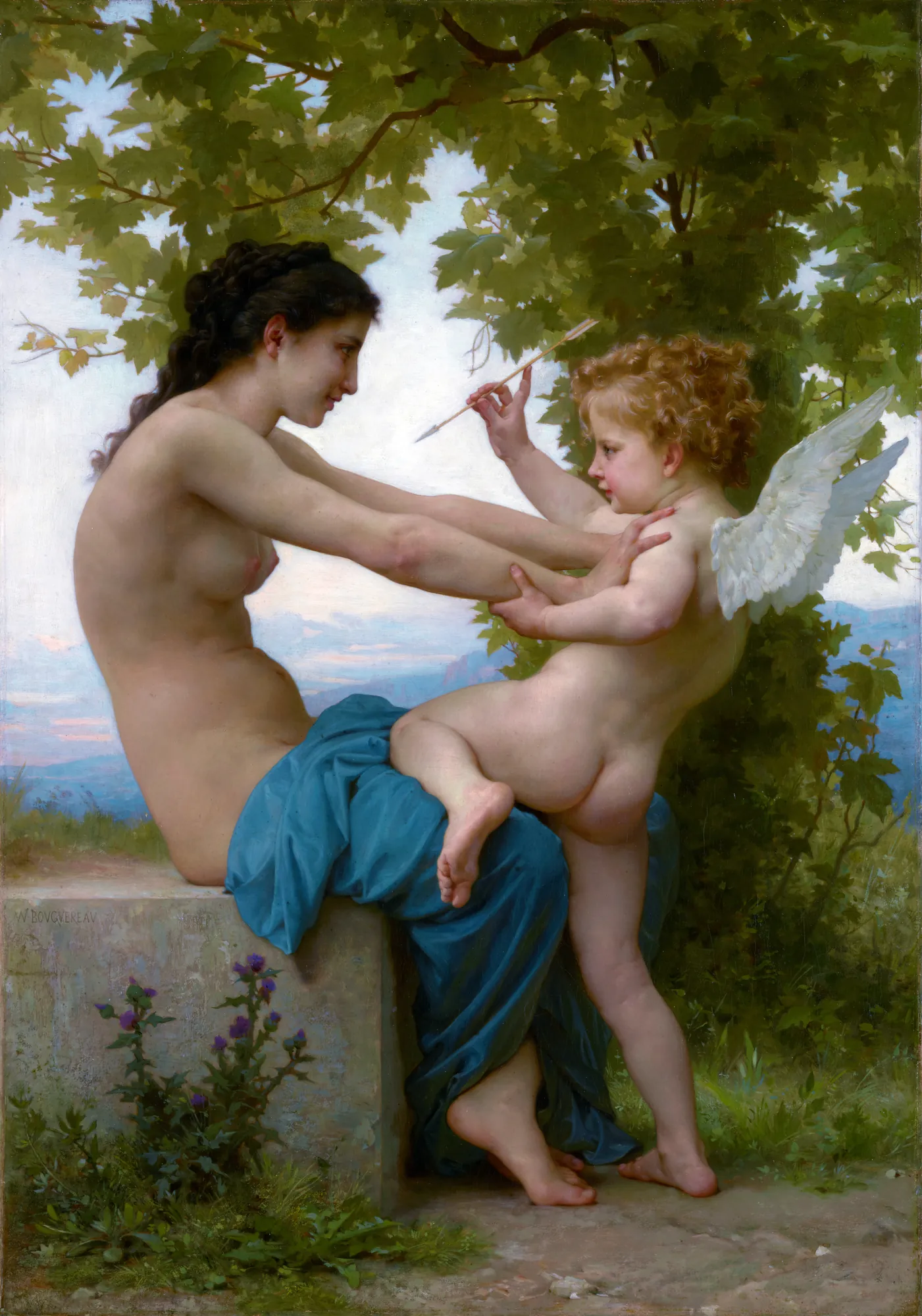
Contains nudity
Figure Studies
William-Adolphe Bouguereau
A masterfully rendered mythological scene depicting a playful struggle between a young woman and the god of love.
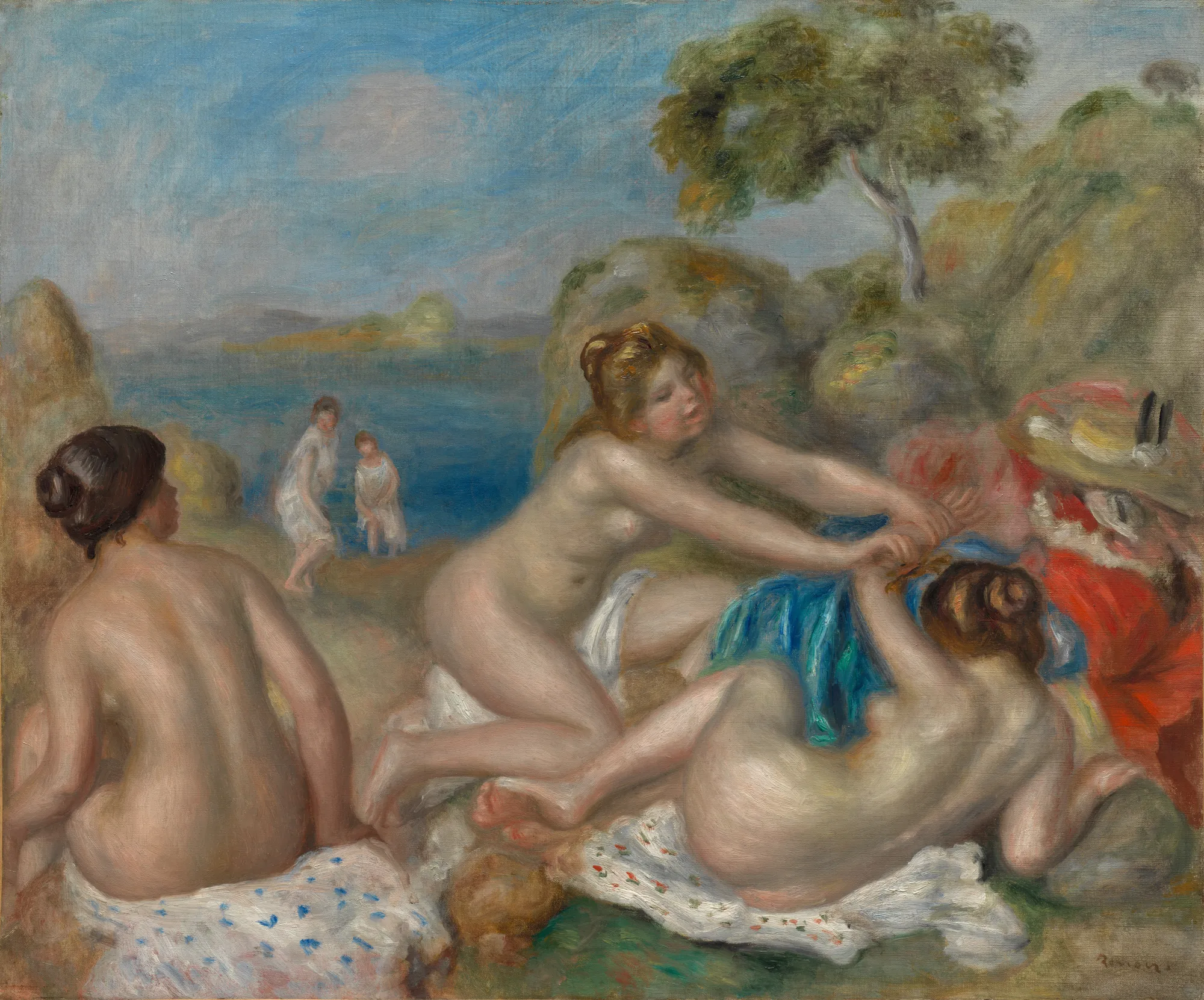
Contains nudity
Figure Studies
Pierre-Auguste Renoir
A luminous Impressionist study of bathers in a sun-drenched landscape, characterized by Renoir's signature soft brushwork and warm tones.
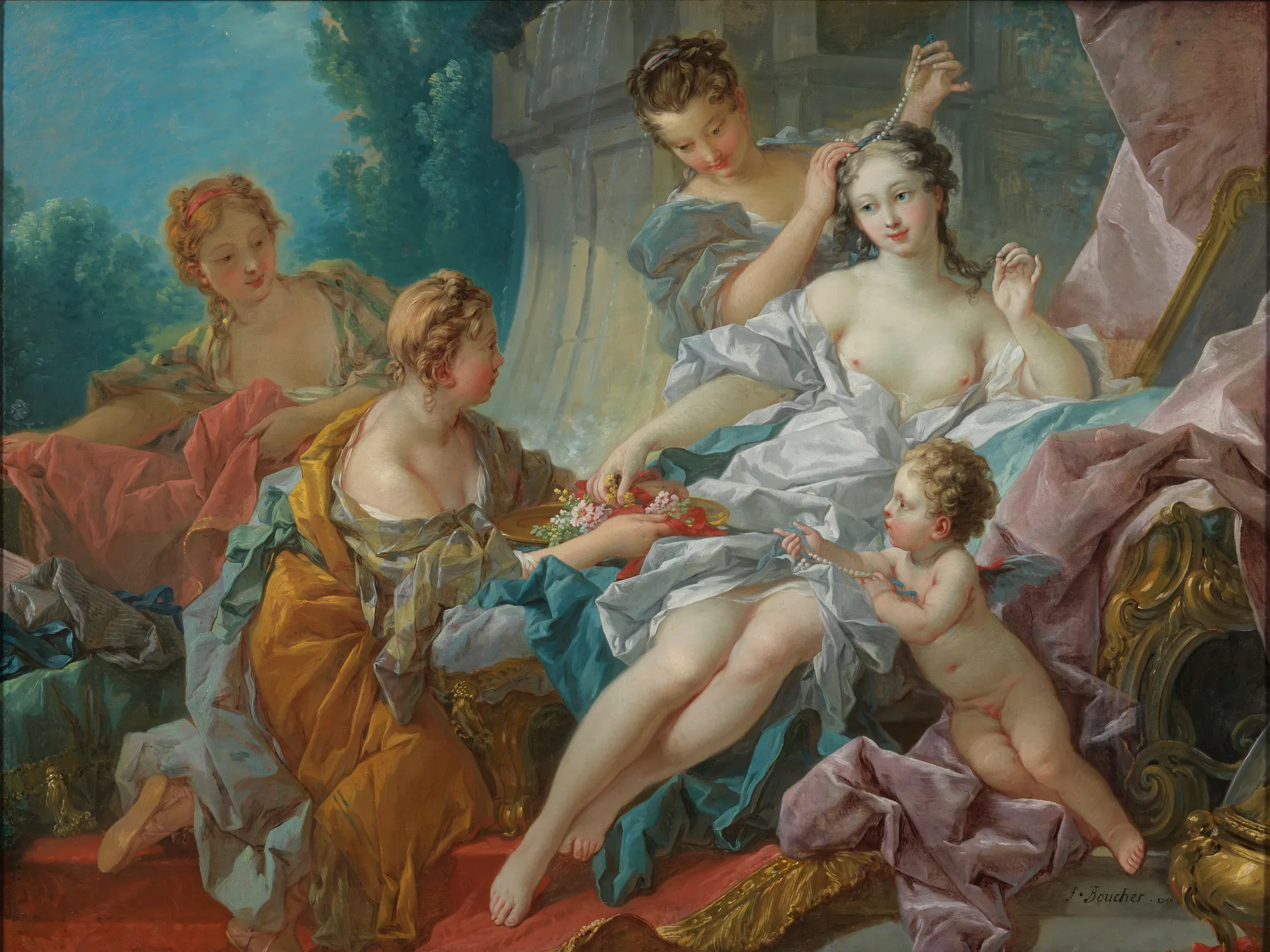
Contains nudity
Figure Studies
François Boucher
This opulent Rococo masterpiece depicts Venus attended by her nymphs and a winged cherub in a lush, theatrical setting.
Contains nudity
Figure Studies
Unknown Artist
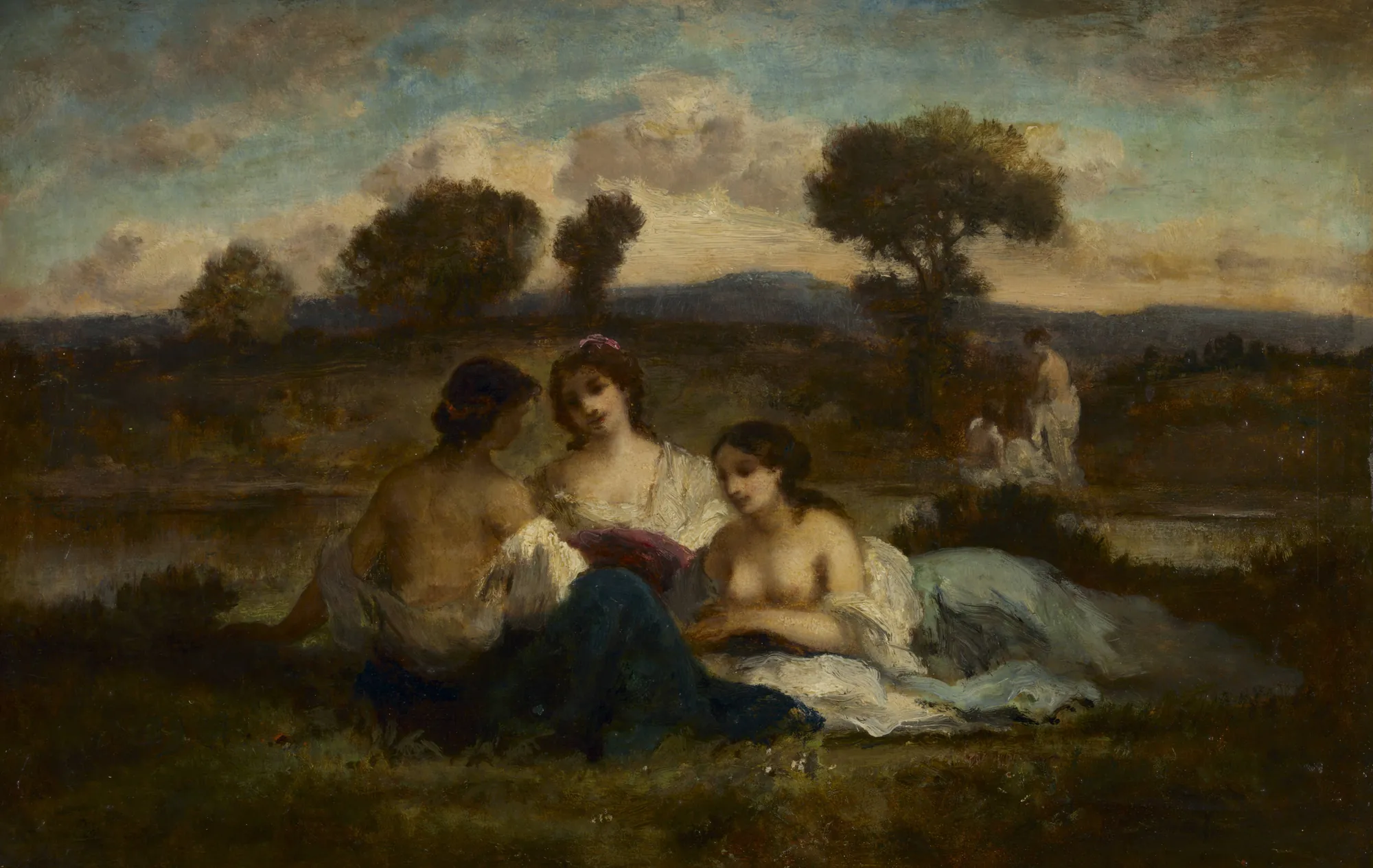
A romantic nineteenth-century landscape featuring figures resting in a serene, wooded glade.
1899 · Oil Paint, Canvas
An ethereal Belle Époque depiction of the Three Graces visited by a playful cherub in a luminous coastal setting.
$260
For the selected configuration
From $129
2 frame sizes
Made to order in ~2 business days · Free U.S. standard shipping (typically 5–8 business days after dispatch)
Where it works
A measured, restful work with softened warm notes — sits comfortably in a more formal setting.