Contains nudity
Figure Studies
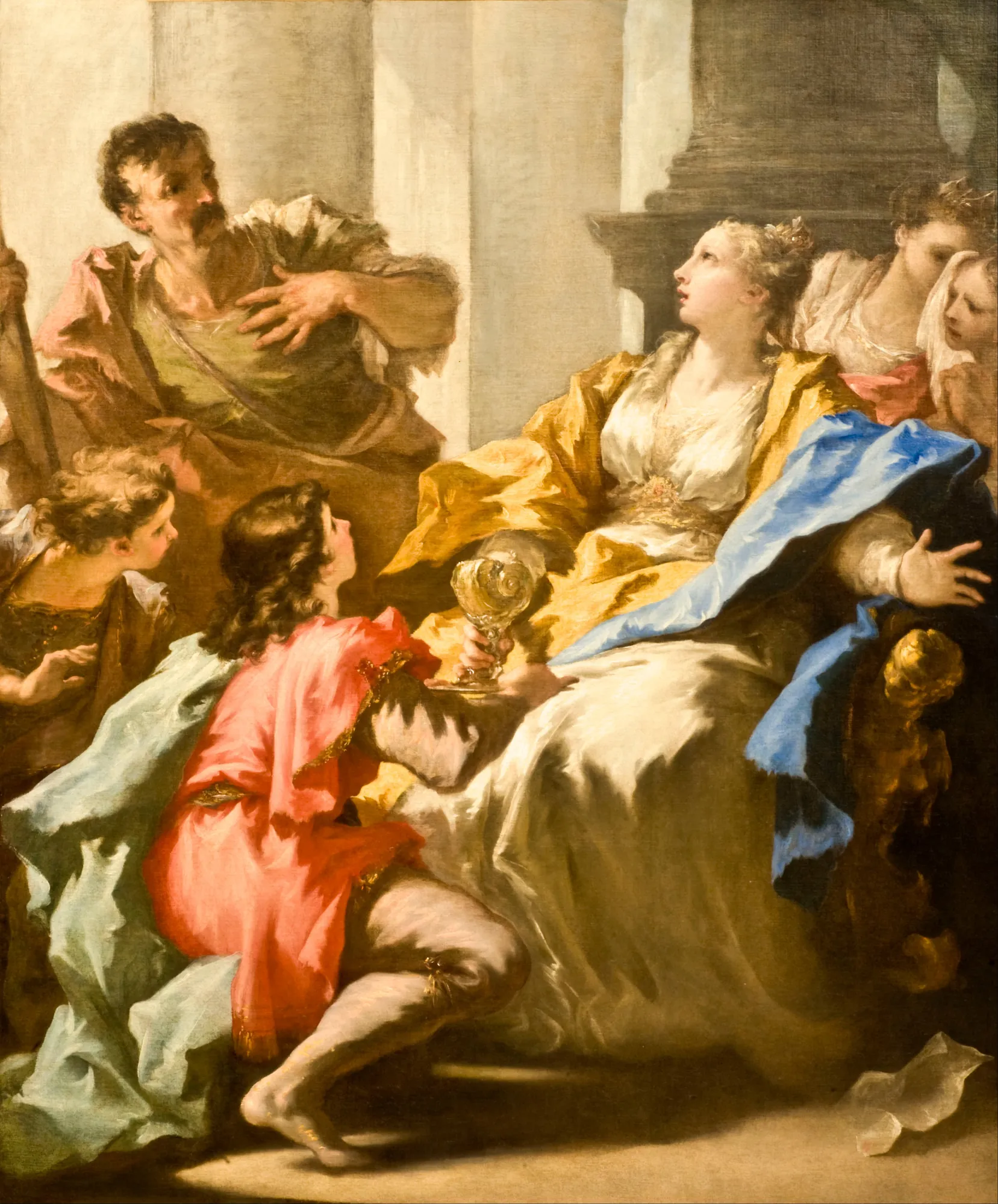
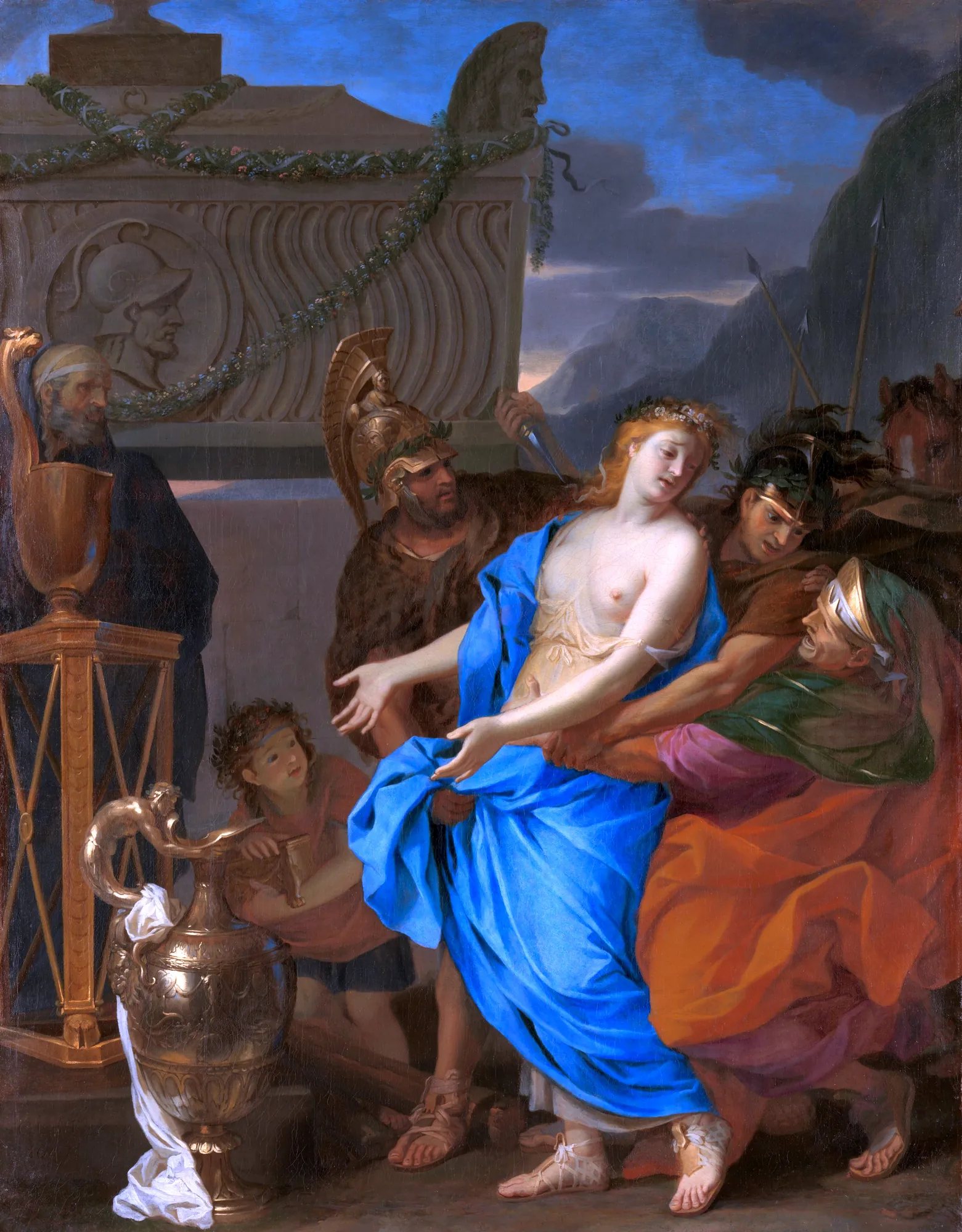
The Sacrifice of Polyxena
Charles Le Brun
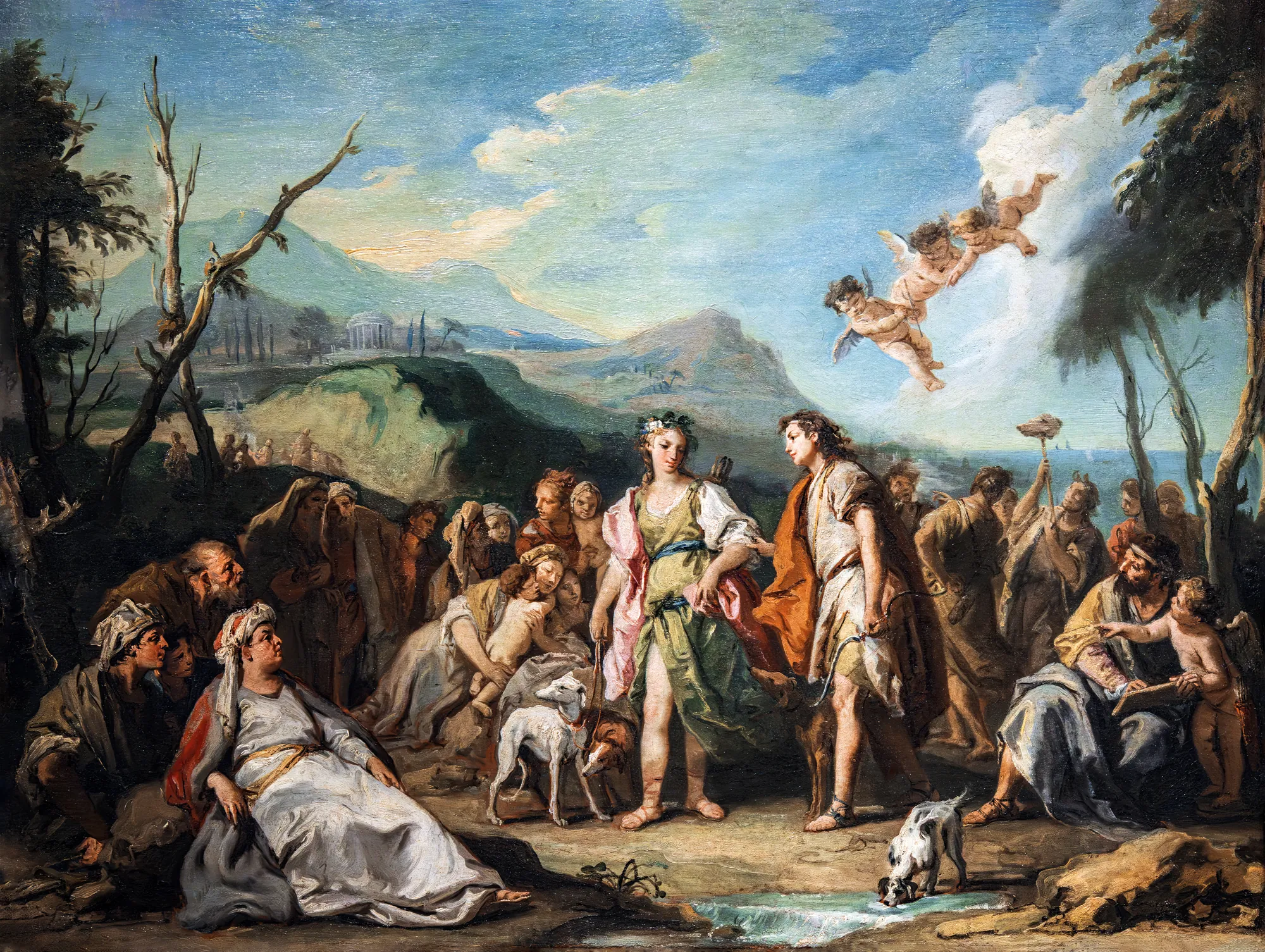
This dramatic 17th-century masterpiece depicts a poignant moment from classical mythology with striking contrast and vibrant color.
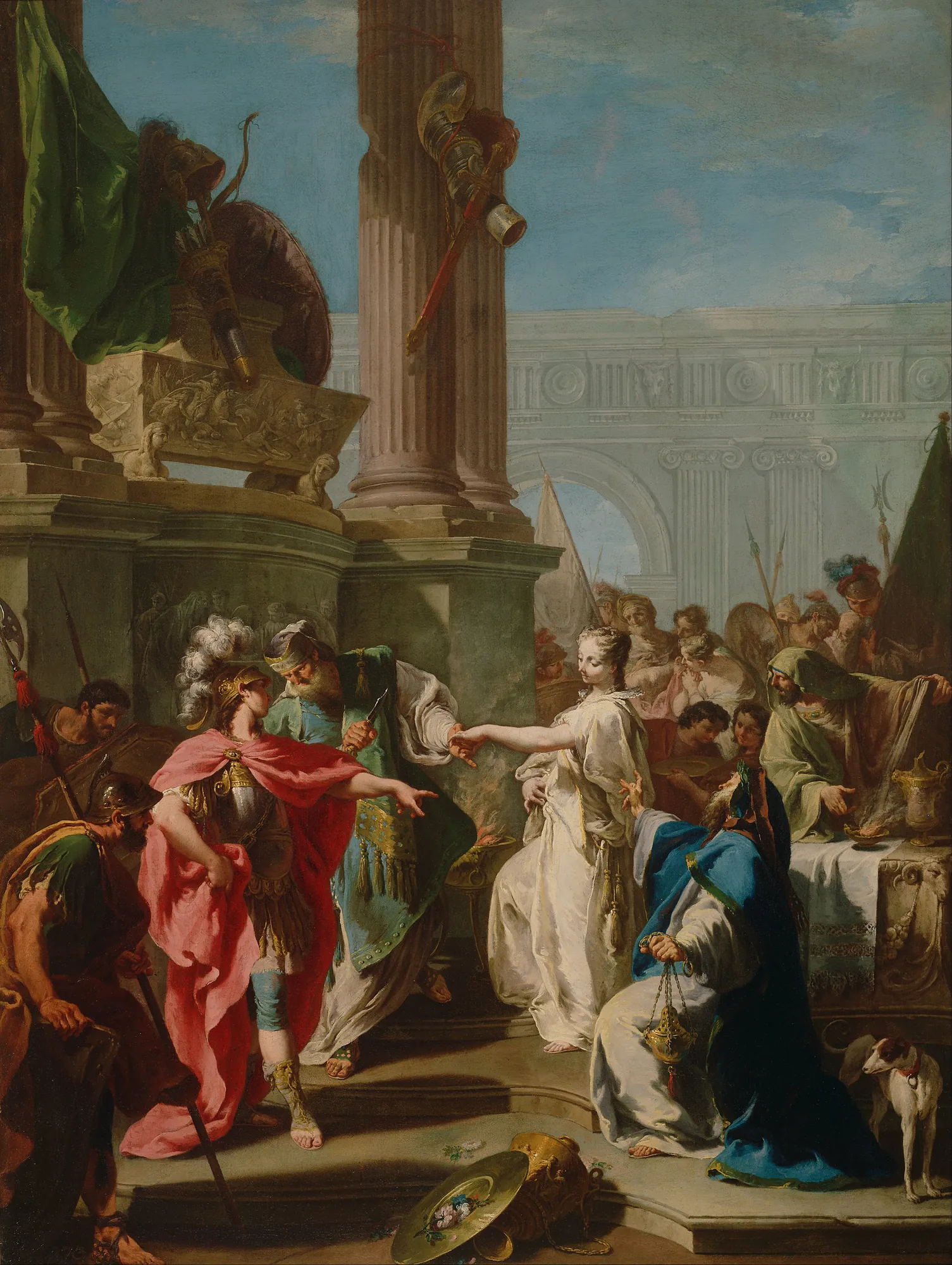
1732 · Oil Paint, Canvas
A luminous and dramatic 18th-century Venetian painting depicting a tragic scene from Greek mythology.
$129
For the selected configuration
From $129
1 frame size
Made to order in ~2 business days · Free U.S. standard shipping (typically 5–8 business days after dispatch)
Where it works
A bold work with active energy with warm, lived-in color — supports a polished room with depth.
About the piece
Painted around 1732, this masterpiece by Giambattista Pittoni showcases the dramatic flair of the Venetian Rococo. The scene captures Polyxena, the Trojan princess, at the moment before her sacrifice at the tomb of Achilles, rendered with the swirling compositions and bright, theatrical palette characteristic of Pittoni's celebrated style.
More like this
Contains nudity
Figure Studies
Charles Le Brun
This dramatic 17th-century masterpiece depicts a poignant moment from classical mythology with striking contrast and vibrant color.
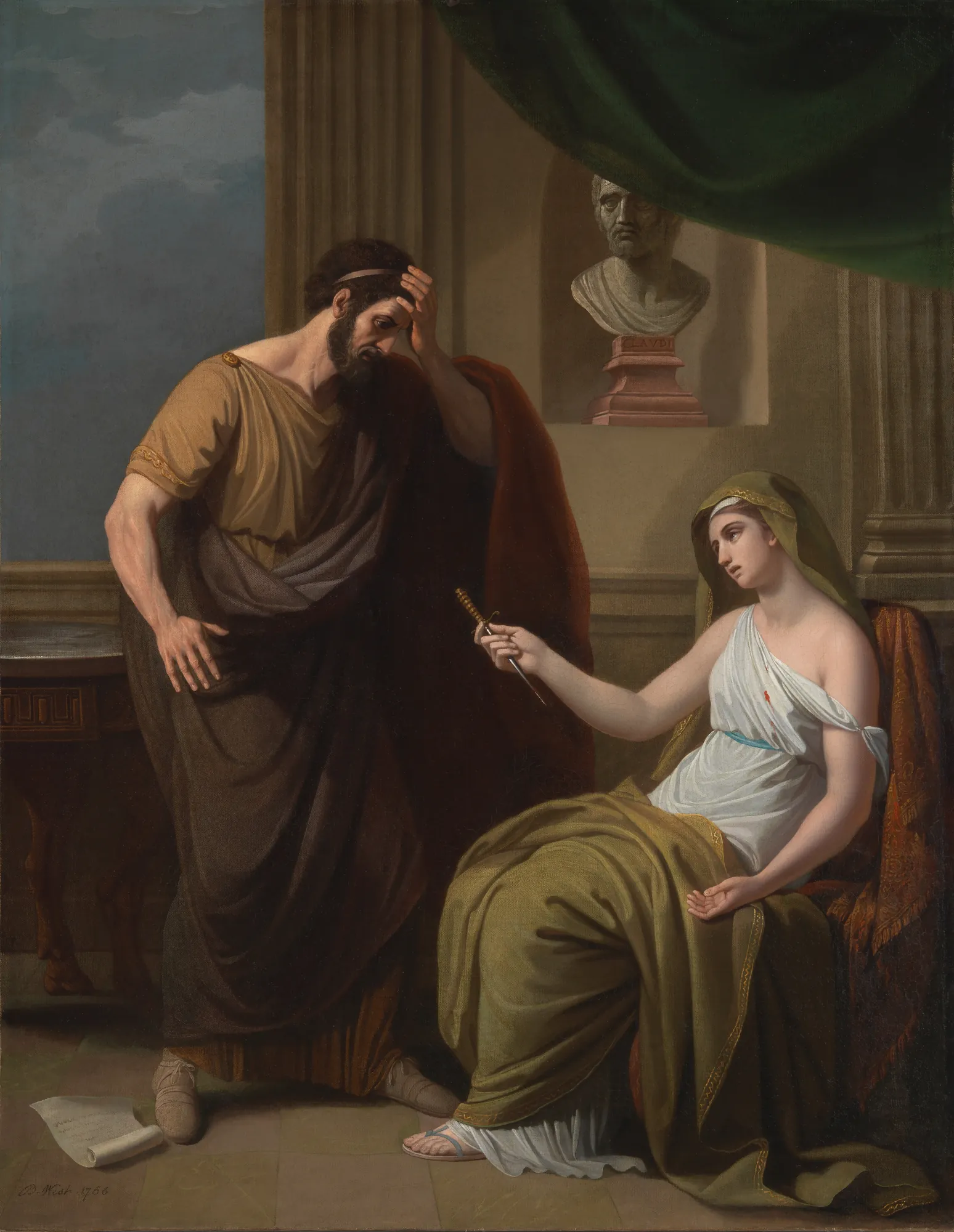
Contains disturbing content
Dark Academia
Benjamin West
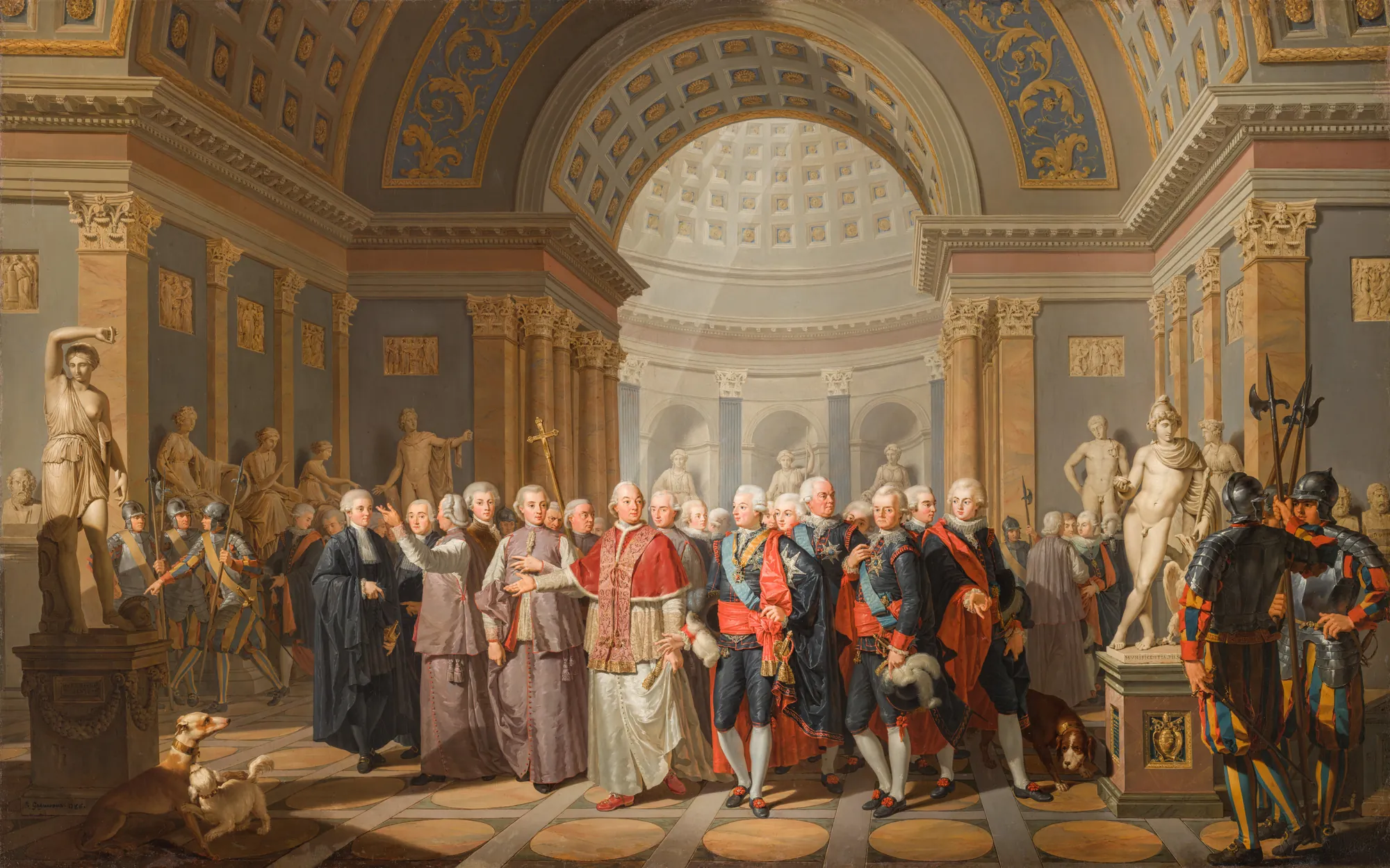
A poignant Neoclassical scene by Benjamin West depicting the Roman story of Paetus and Arria in a dramatic, dignified composition.
1732 · Oil Paint, Canvas
A luminous and dramatic 18th-century Venetian painting depicting a tragic scene from Greek mythology.
$129
For the selected configuration
From $129
1 frame size
Made to order in ~2 business days · Free U.S. standard shipping (typically 5–8 business days after dispatch)
Where it works
A bold work with active energy with warm, lived-in color — supports a polished room with depth.