Contains nudity
Figure Studies
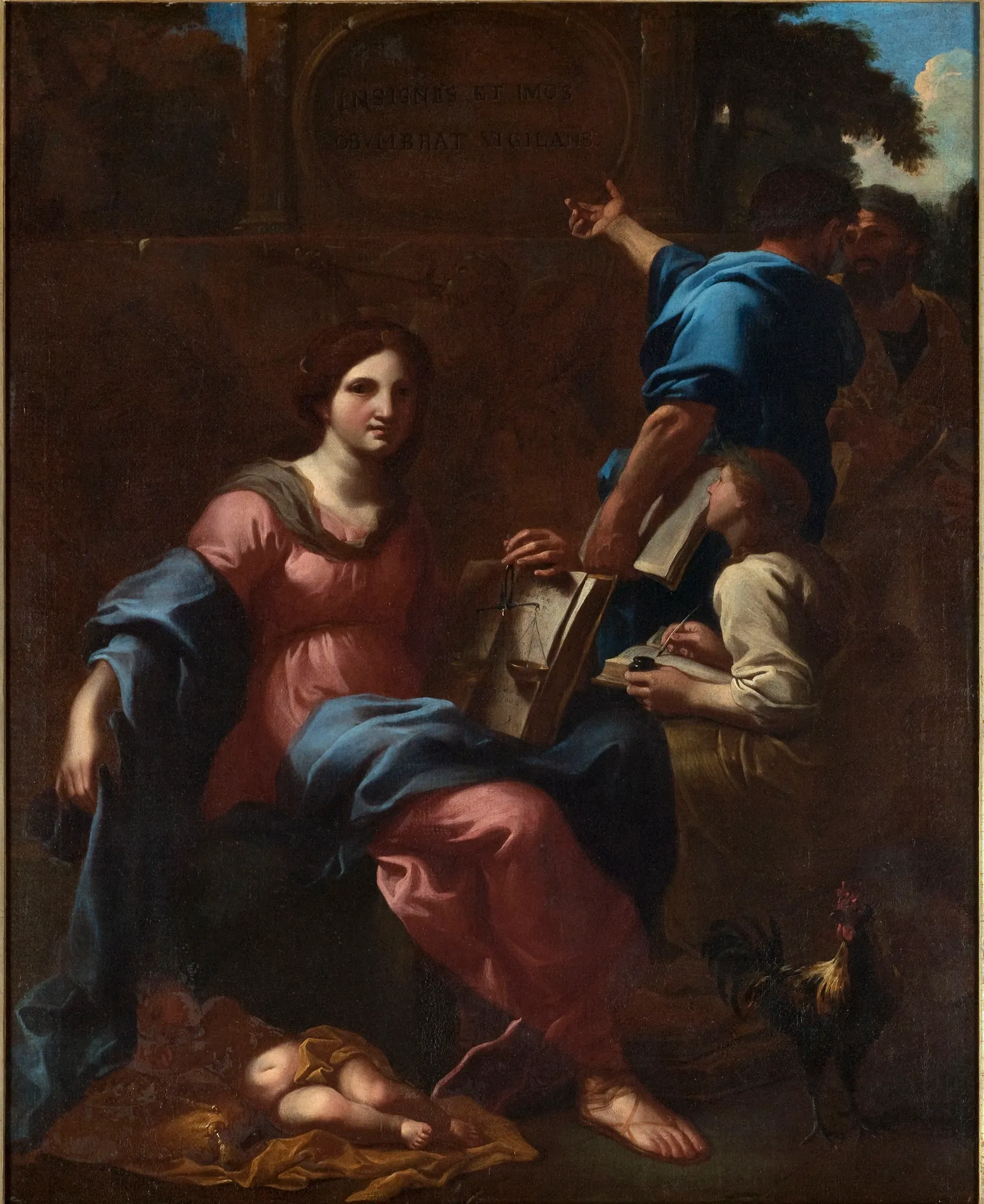
Rome as Ruler of the World
Nicolai Abildgaard
An 18th-century Neoclassical allegory depicting Rome as a triumphant sovereign amidst the ruins of antiquity.
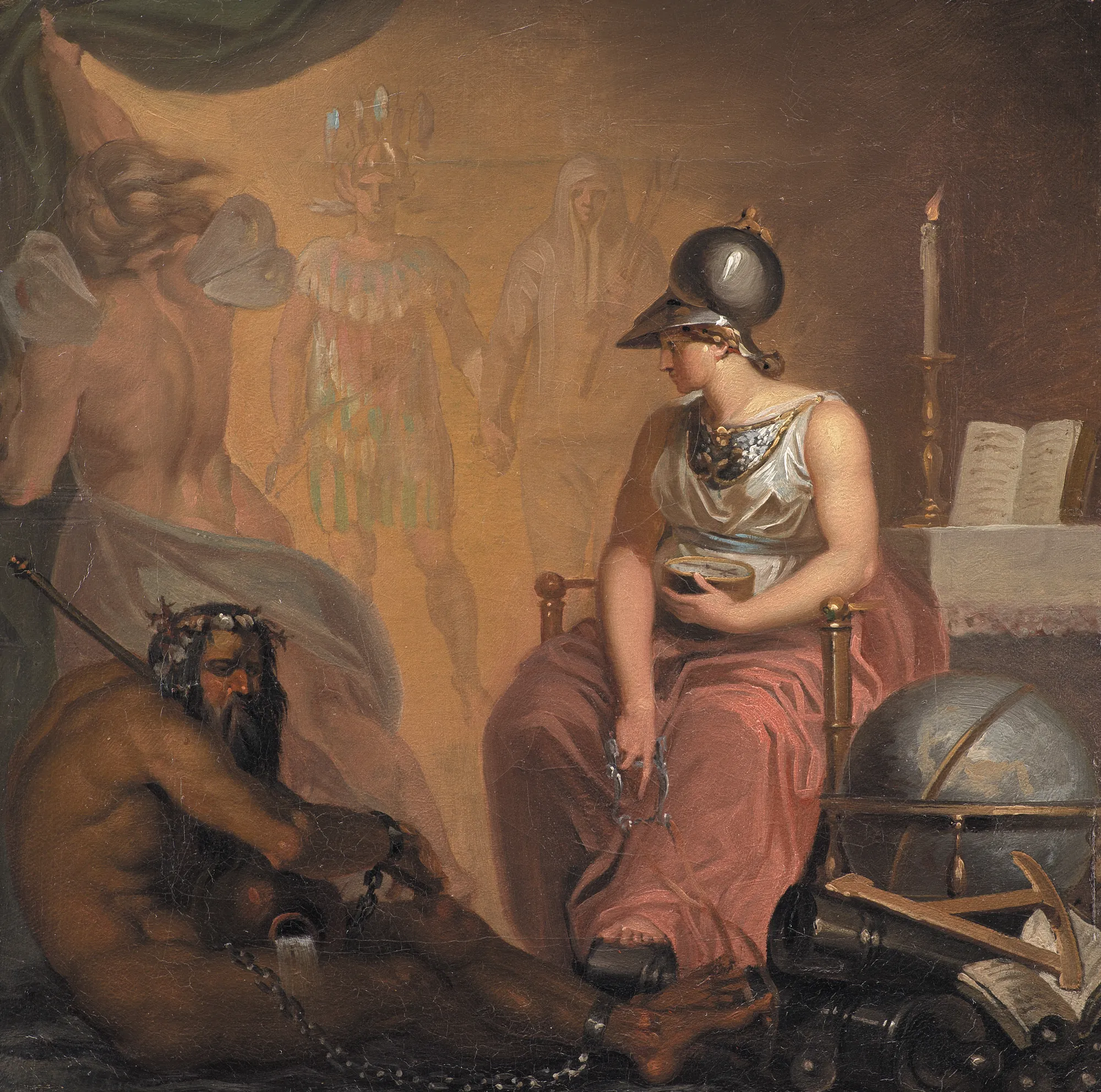
1784 · Oil Paint, Canvas
This complex neoclassical allegory celebrates the major advancements and discoveries of human history through classical symbolism.
$129
For the selected configuration
From $129
1 frame size
Made to order in ~2 business days · Free U.S. standard shipping (typically 5–8 business days after dispatch)
Where it works
A substantial, grounding work with rich warm-brown color — supports a polished room with depth.
About the piece
Painted in 1784 by Danish master Nicolai Abildgaard, this work uses rich neoclassical symbolism to represent pivotal moments in human history. Figures representing learning, invention, and exploration are gathered among globes, cannons, and scientific tools, illuminated by the soft, dramatic lighting characteristic of the Enlightenment period's intellectual spirit.
More like this
Contains nudity
Figure Studies
Nicolai Abildgaard
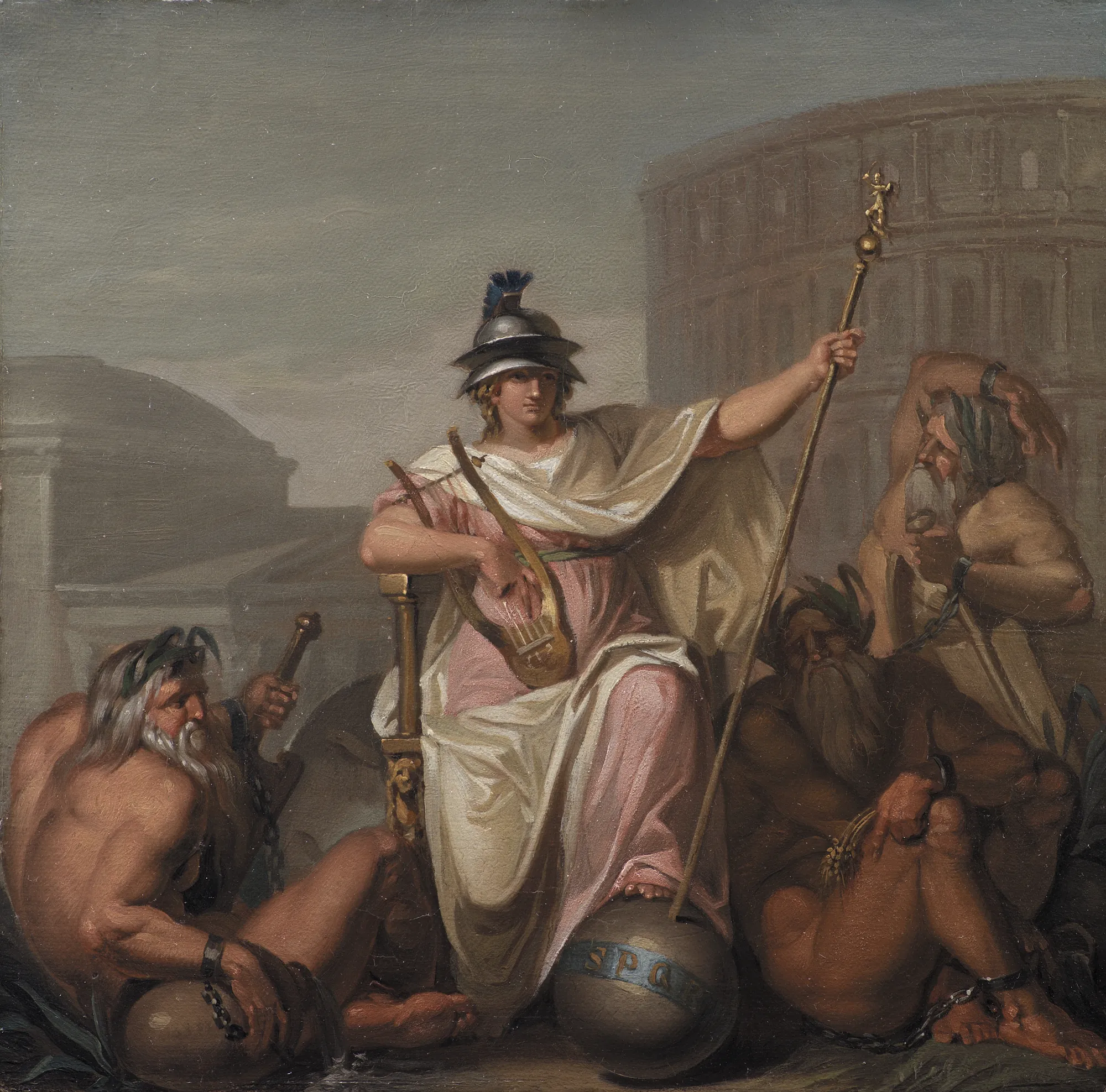
An 18th-century Neoclassical allegory depicting Rome as a triumphant sovereign amidst the ruins of antiquity.
Contains disturbing content
Dark Academia
Antonio de Pereda
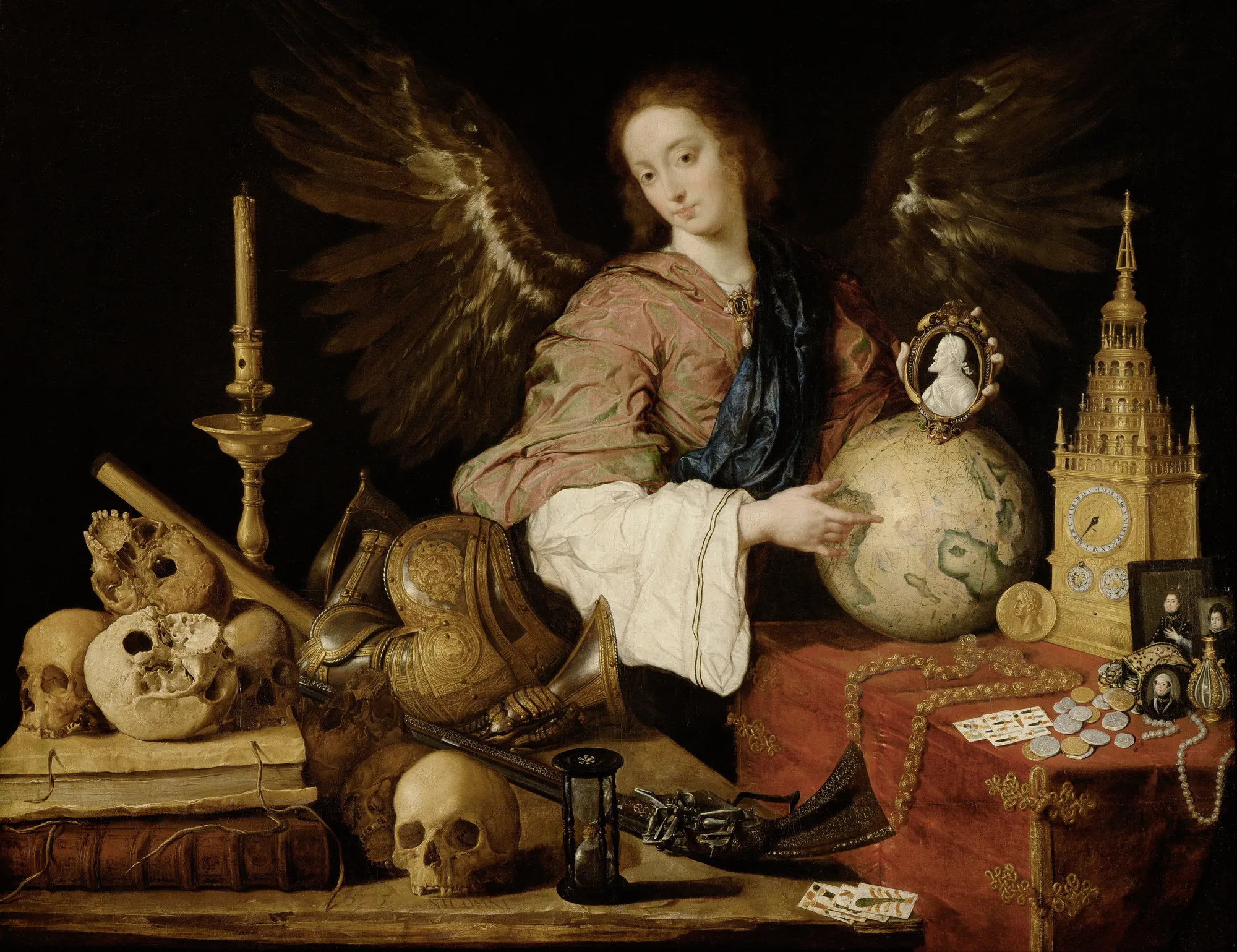
A magnificent 17th-century Spanish Baroque vanitas painting exploring themes of mortality and worldliness through rich symbolism.
Contains disturbing content
Moody Landscapes
Albert Pinkham Ryder
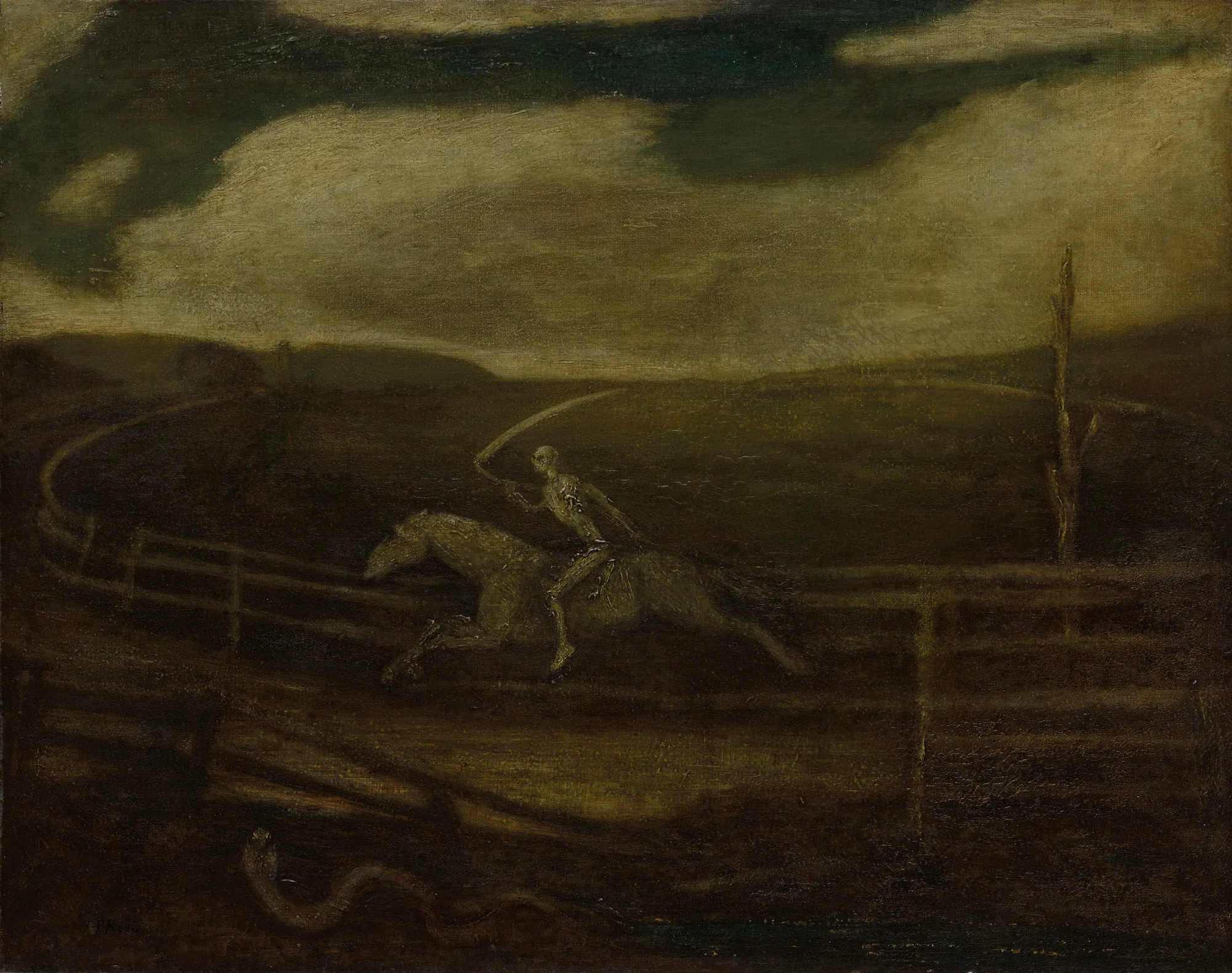
An evocative Symbolist masterpiece depicting a spectral horseman on a lonely track.
1784 · Oil Paint, Canvas
This complex neoclassical allegory celebrates the major advancements and discoveries of human history through classical symbolism.
$129
For the selected configuration
From $129
1 frame size
Made to order in ~2 business days · Free U.S. standard shipping (typically 5–8 business days after dispatch)
Where it works
A substantial, grounding work with rich warm-brown color — supports a polished room with depth.