Contains nudity
oil paint
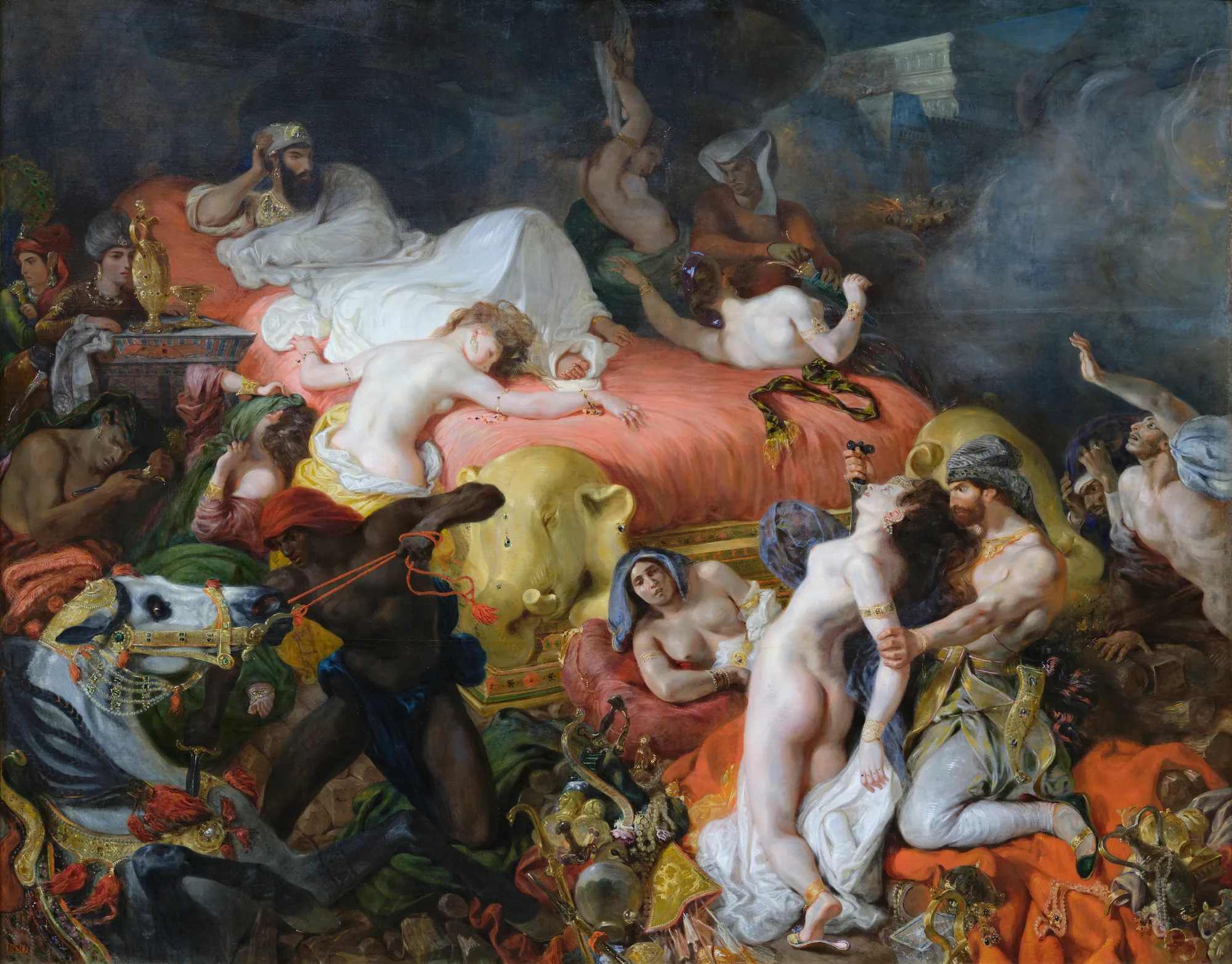
Death of Sardanapalus
Eugène Delacroix
An iconic masterpiece of French Romanticism, Delacroix's sweeping epic depicts a scene of tragic opulence and dramatic intensity.
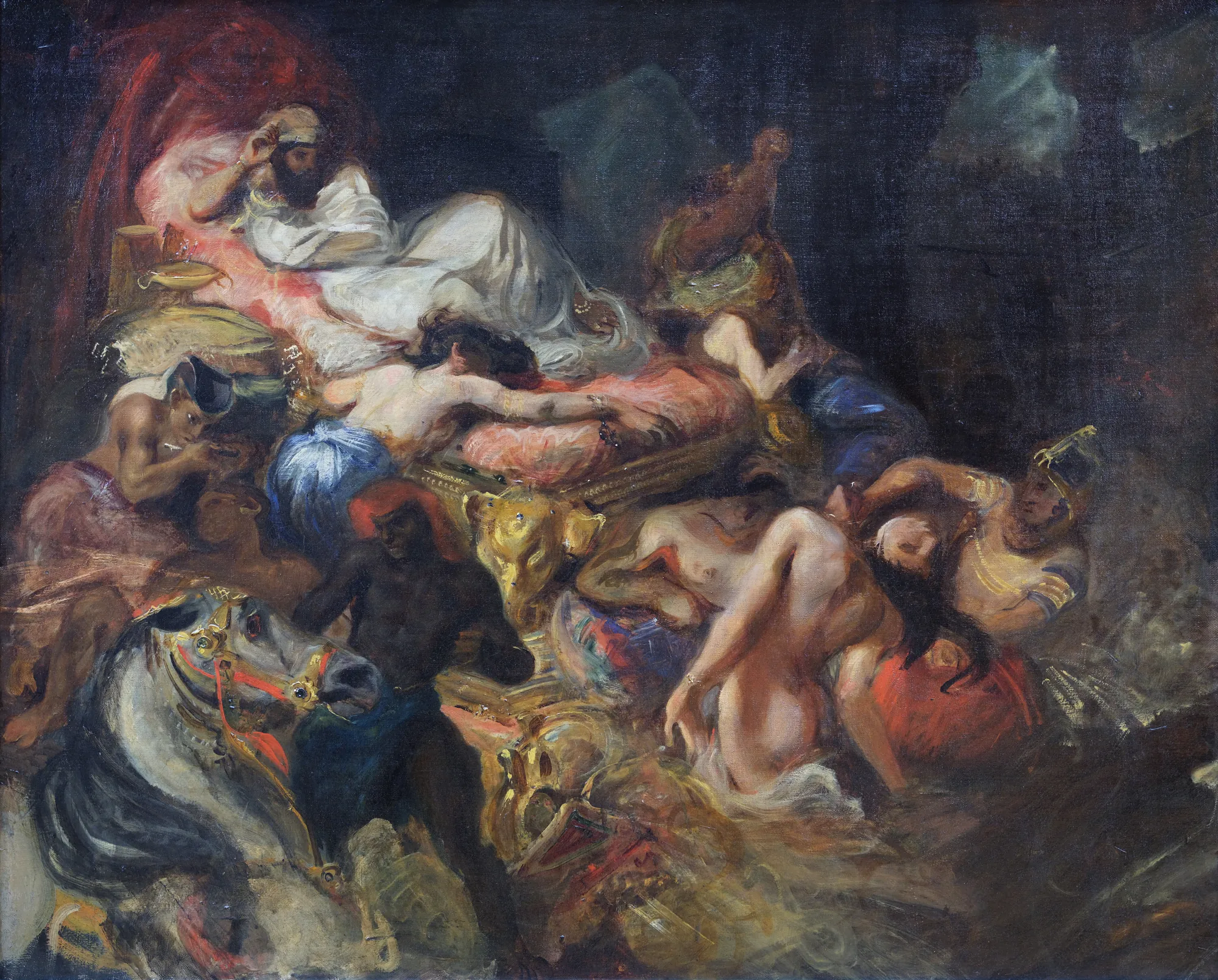
1826 · Oil Paint, Canvas
A dramatic and expressive Romantic oil sketch by Eugène Delacroix, capturing the turbulent energy of a legendary scene.
$129
For the selected configuration
From $129
5 frame sizes
Made to order in ~2 business days · Free U.S. standard shipping (typically 5–8 business days after dispatch)
Where it works
A bold work with active energy with warm, lived-in color — holds a formal wall with confidence.
About the piece
This 1826 oil study is a preparatory work for Eugène Delacroix's iconic masterpiece, 'The Death of Sardanapalus.' It exemplifies the artist's Romantic style through vigorous brushwork and a rich, moody palette, depicting the dramatic final moments of the Assyrian king amidst a whirlwind of figures and motion.
More like this
Contains nudity
oil paint
Eugène Delacroix
An iconic masterpiece of French Romanticism, Delacroix's sweeping epic depicts a scene of tragic opulence and dramatic intensity.
Contains nudity
Figure Studies
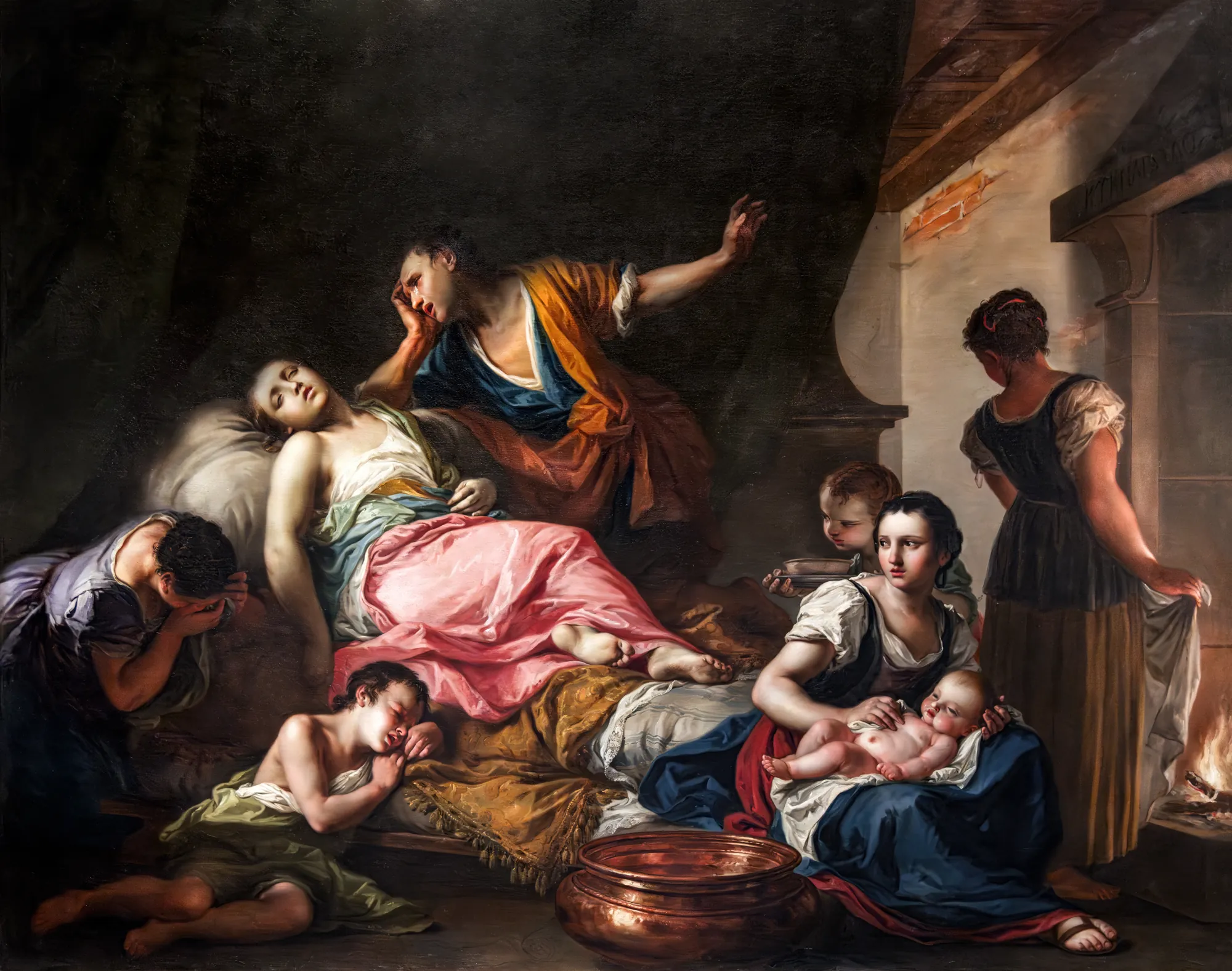
Giambettino Cignaroli
A poignant 18th-century masterpiece capturing a dramatic narrative through masterful chiaroscuro lighting.
Contains nudity
Figure Studies
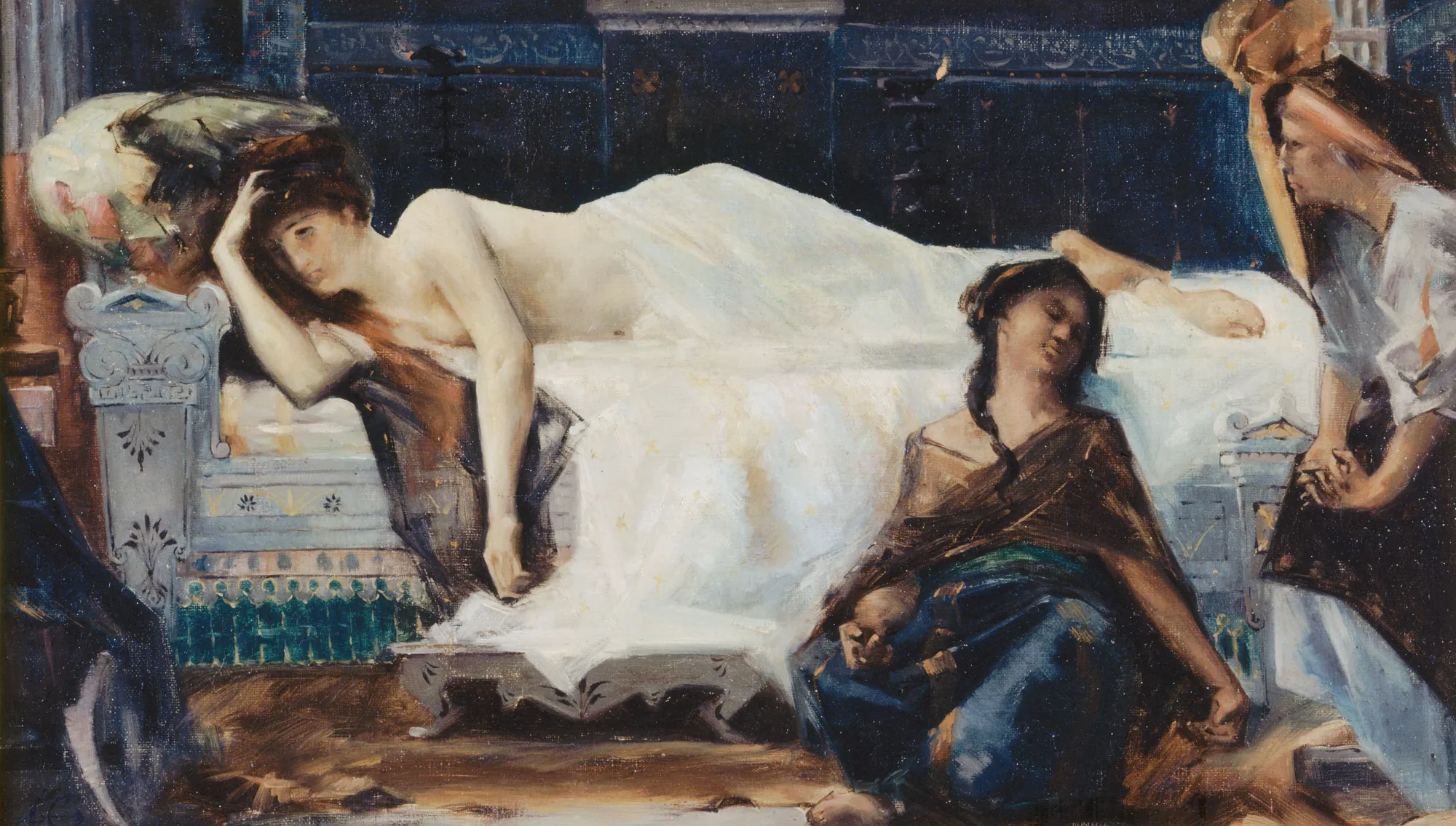
Alexandre Cabanel
A moody and dramatic study by Alexandre Cabanel depicting the classical figure Phèdre in a moment of languid melancholy.
Contains mature content
Figure Studies
Théodore Géricault
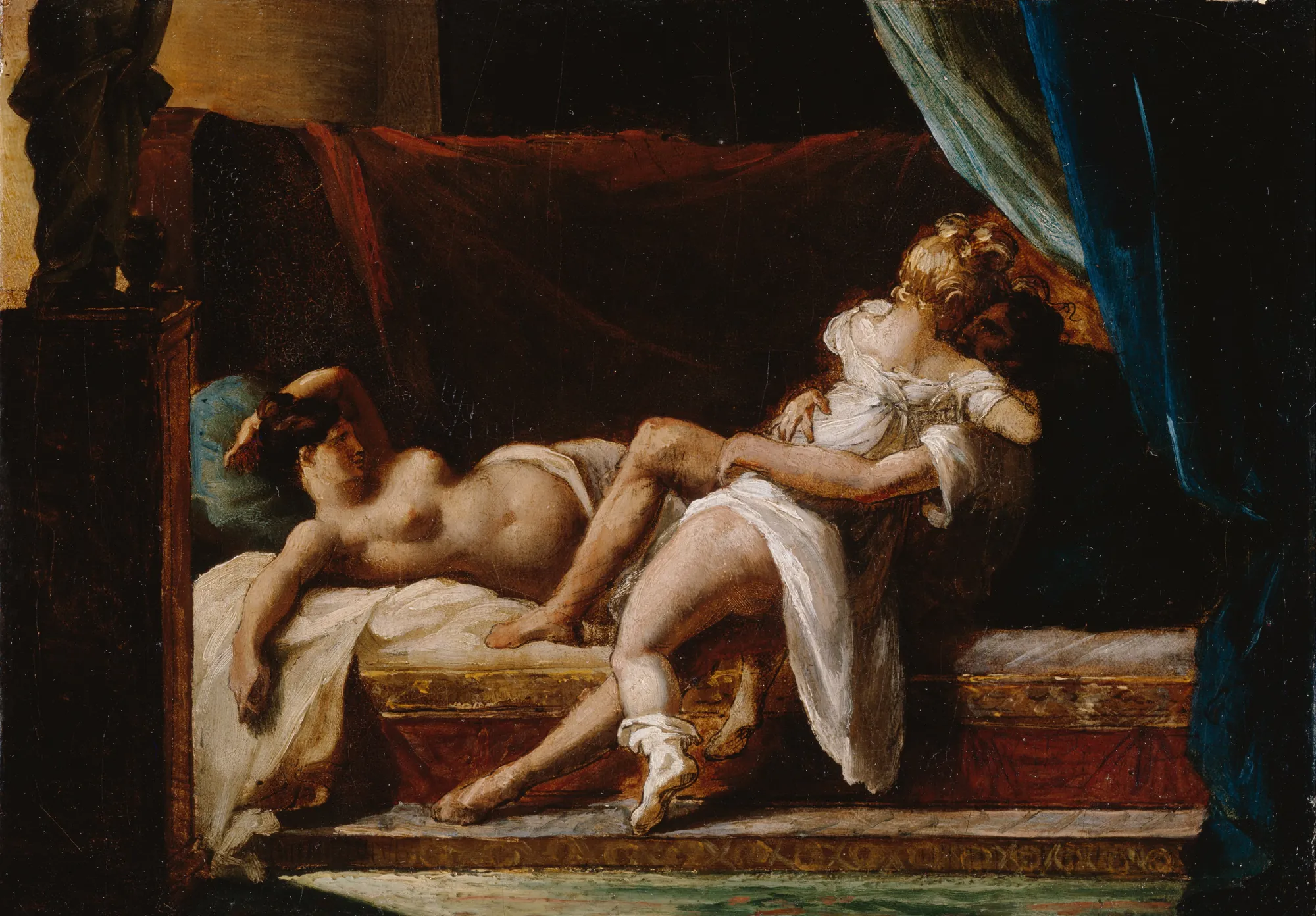
A dramatic Romantic-era scene of intimate connection and atmospheric light by Théodore Géricault.
1826 · Oil Paint, Canvas
A dramatic and expressive Romantic oil sketch by Eugène Delacroix, capturing the turbulent energy of a legendary scene.
$129
For the selected configuration
From $129
5 frame sizes
Made to order in ~2 business days · Free U.S. standard shipping (typically 5–8 business days after dispatch)
Where it works
A bold work with active energy with warm, lived-in color — holds a formal wall with confidence.