Contains nudity
Figure Studies
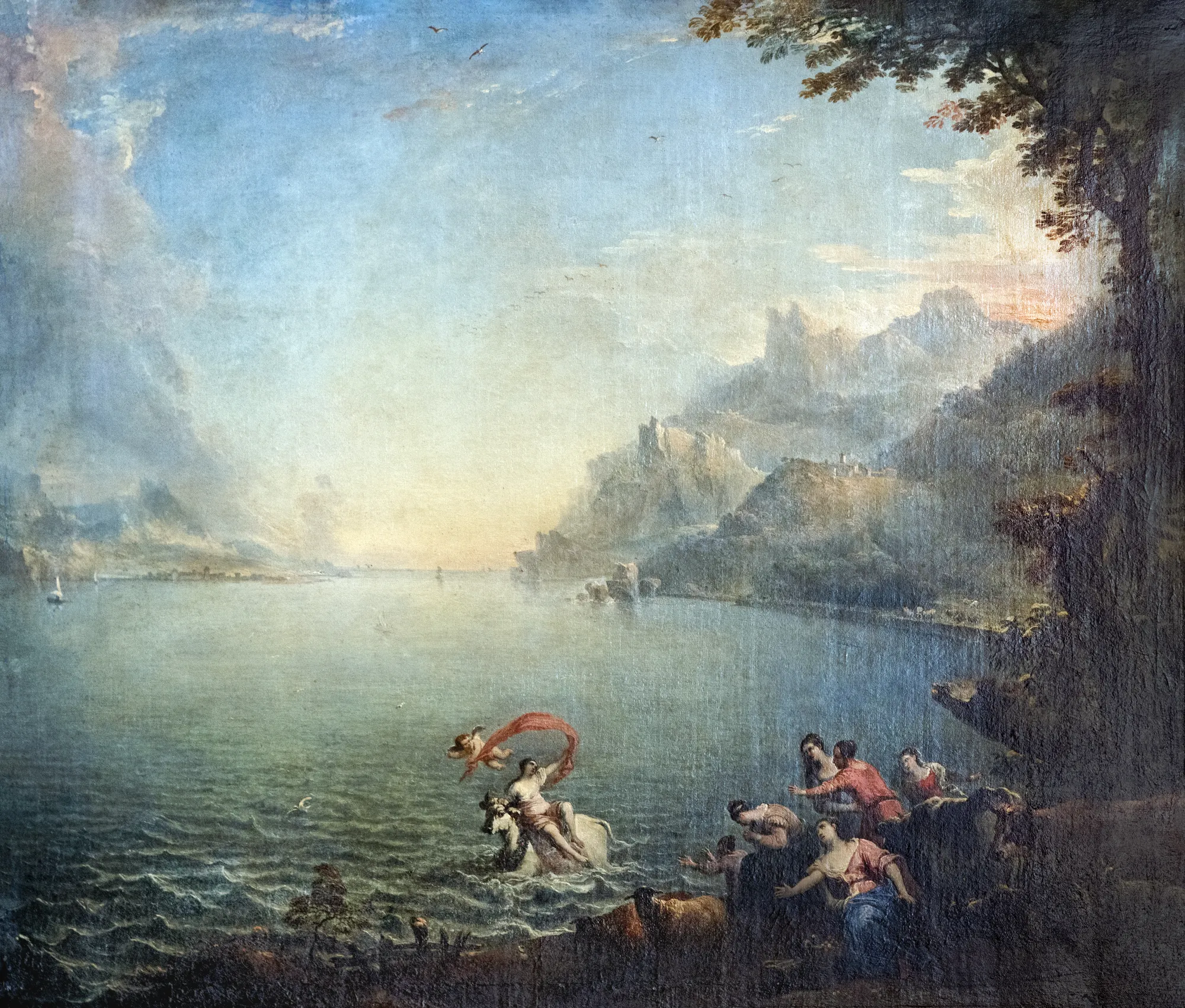
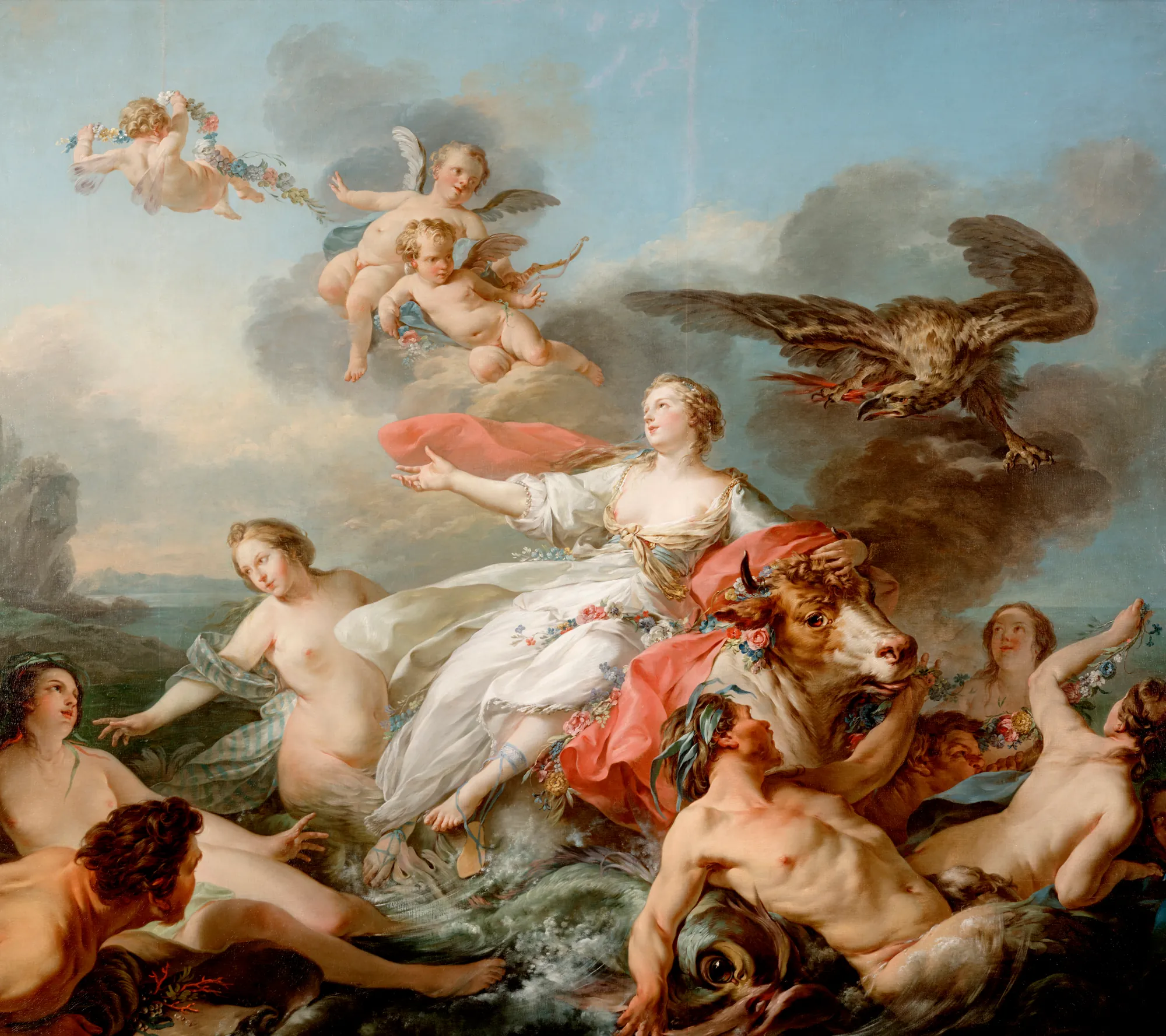
The Abduction of Europa
Jean-Baptiste Marie Pierre
A luminous Rococo masterpiece depicting Europa's mythological journey across a churning sea.
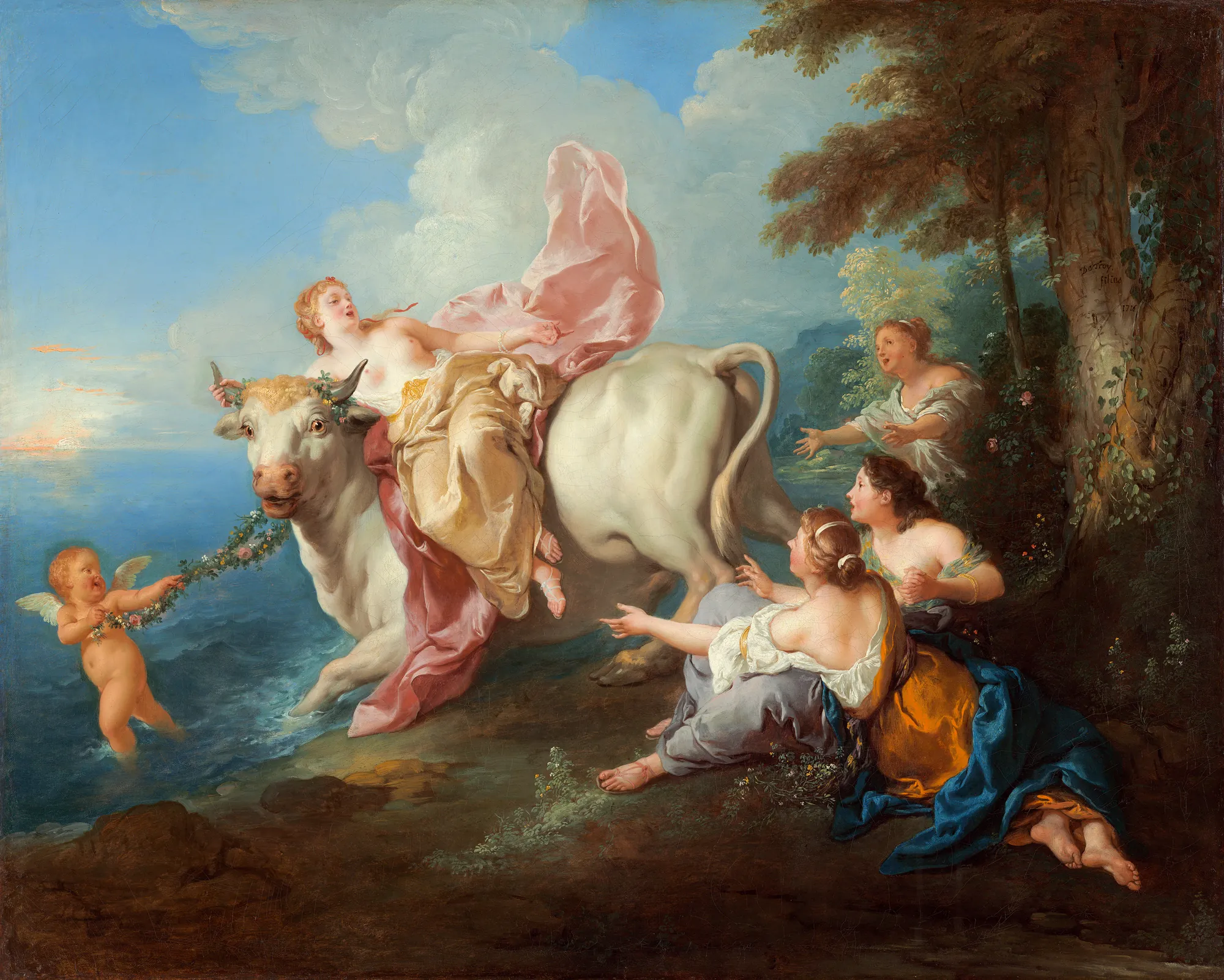
1716 · Oil Paint, Canvas
A vibrant Rococo masterpiece depicting the mythological tale of Europa and the bull in a lush coastal landscape.
$129
For the selected configuration
From $129
1 frame size
Made to order in ~2 business days · Free U.S. standard shipping (typically 5–8 business days after dispatch)
Where it works
A bold work with active energy with softened warm notes — holds a formal wall with confidence.
About the piece
Painted in 1716 by Jean-François de Troy, this work captures the dramatic moment Zeus, disguised as a bull, carries Europa across the sea. The painting exemplifies the Rococo style with its luminous palette, soft brushwork, and elegant, theatrical composition characteristic of 18th-century French art.
More like this
Contains nudity
Figure Studies
Jean-Baptiste Marie Pierre
A luminous Rococo masterpiece depicting Europa's mythological journey across a churning sea.
Contains nudity
Figure Studies
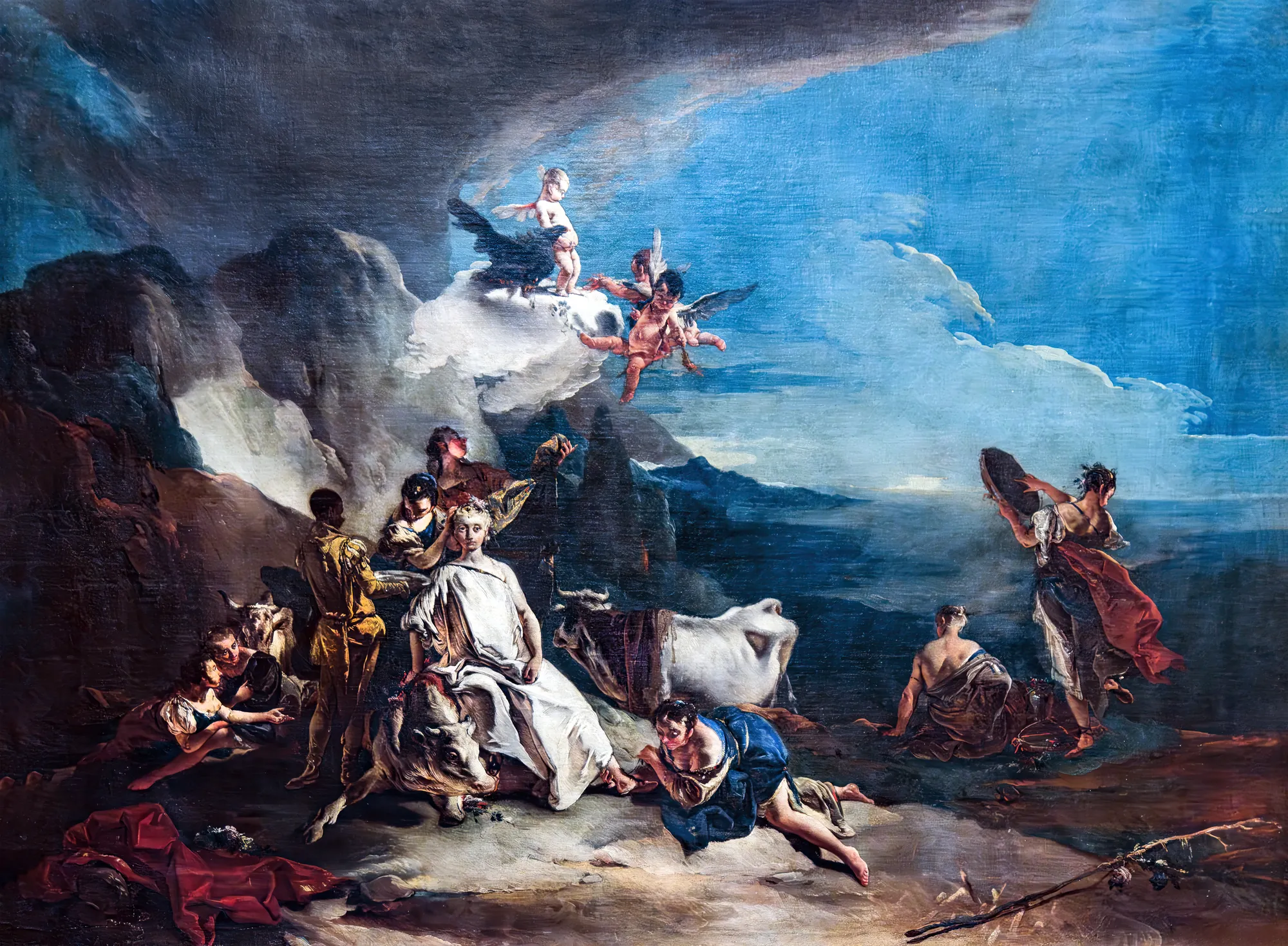
Giovanni Battista Tiepolo
A luminous mythological scene by Giovanni Battista Tiepolo featuring dramatic movement and an airy, theatrical composition.
Contains nudity
Figure Studies
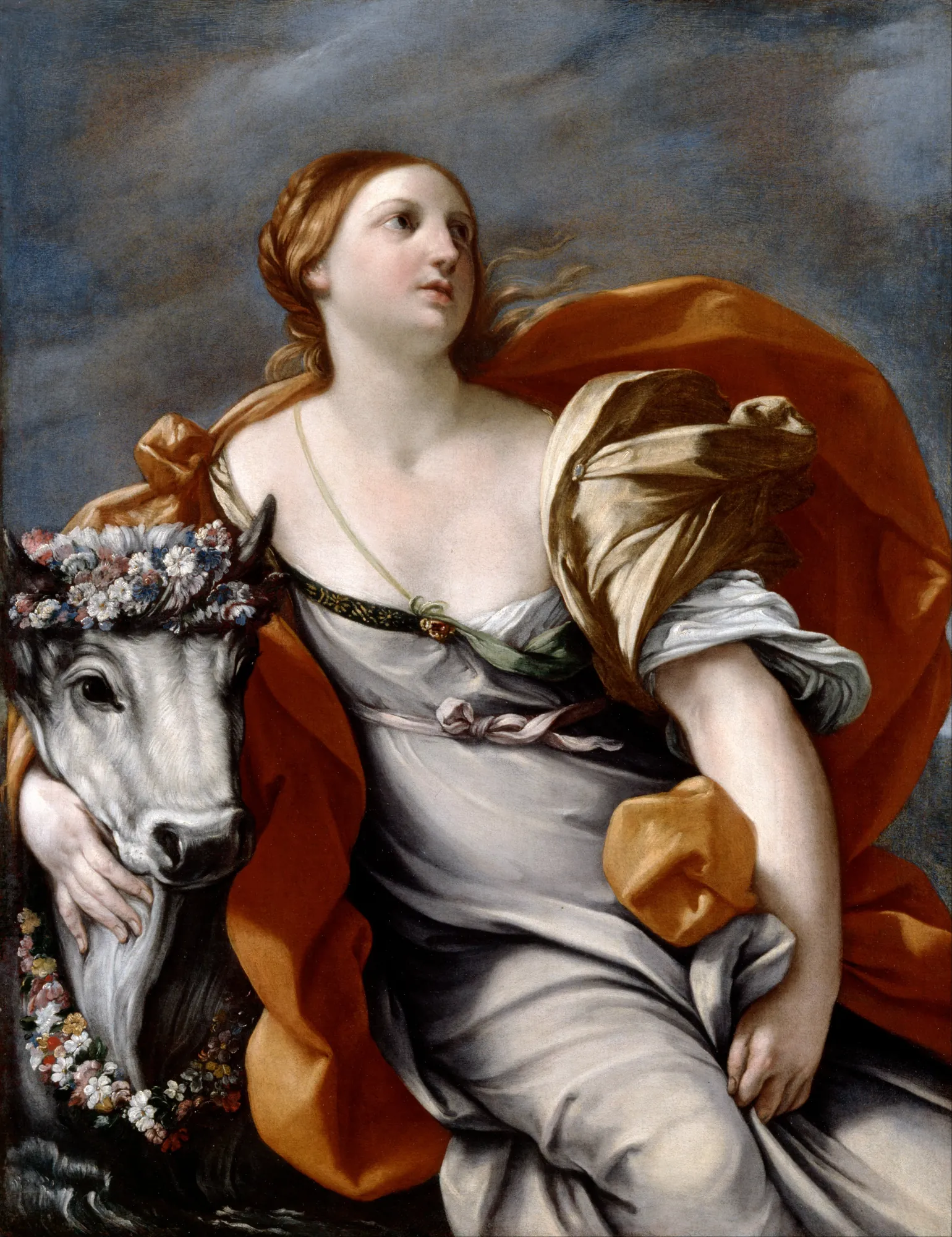
Unknown Artist
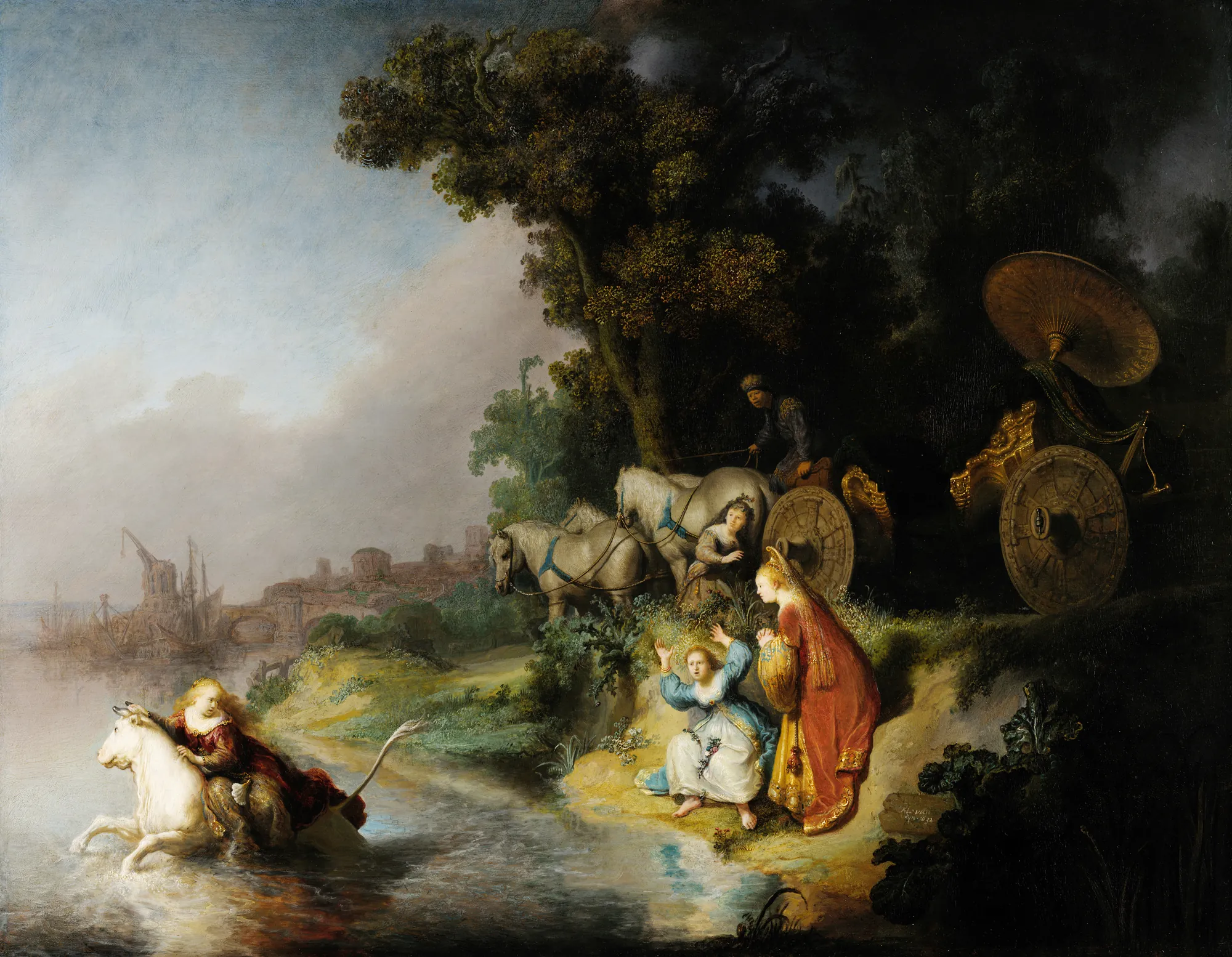
A classic Baroque depiction of the mythological Europa and the bull, characterized by dramatic lighting and rich, vibrant colors.
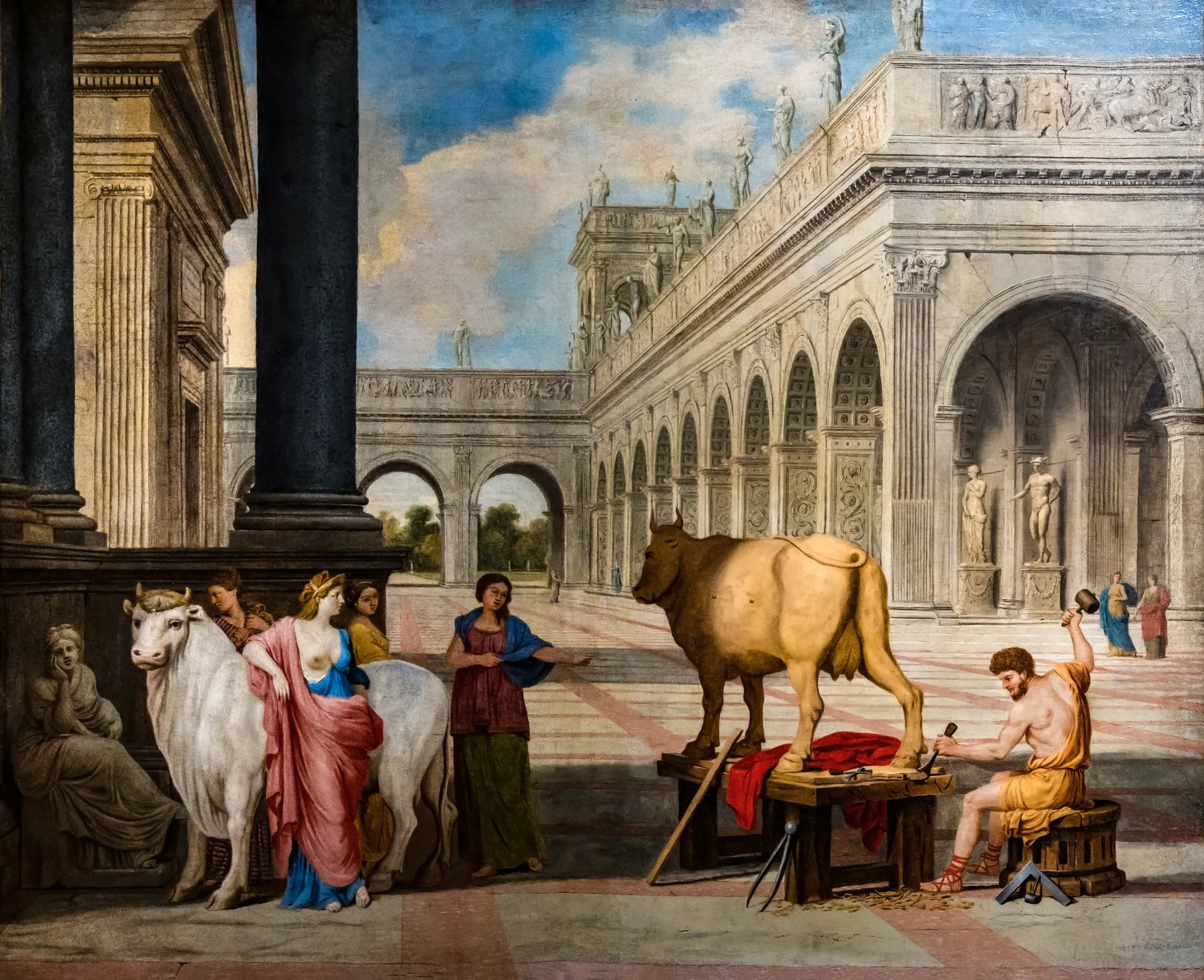
Contains nudity
Dark Academia
Jean Lemaire
A masterful 17th-century rendering of the myth of Pasiphaë, set against a backdrop of magnificent Roman-style architecture.
1716 · Oil Paint, Canvas
A vibrant Rococo masterpiece depicting the mythological tale of Europa and the bull in a lush coastal landscape.
$129
For the selected configuration
From $129
1 frame size
Made to order in ~2 business days · Free U.S. standard shipping (typically 5–8 business days after dispatch)
Where it works
A bold work with active energy with softened warm notes — holds a formal wall with confidence.