Contains nudity
Figure Studies
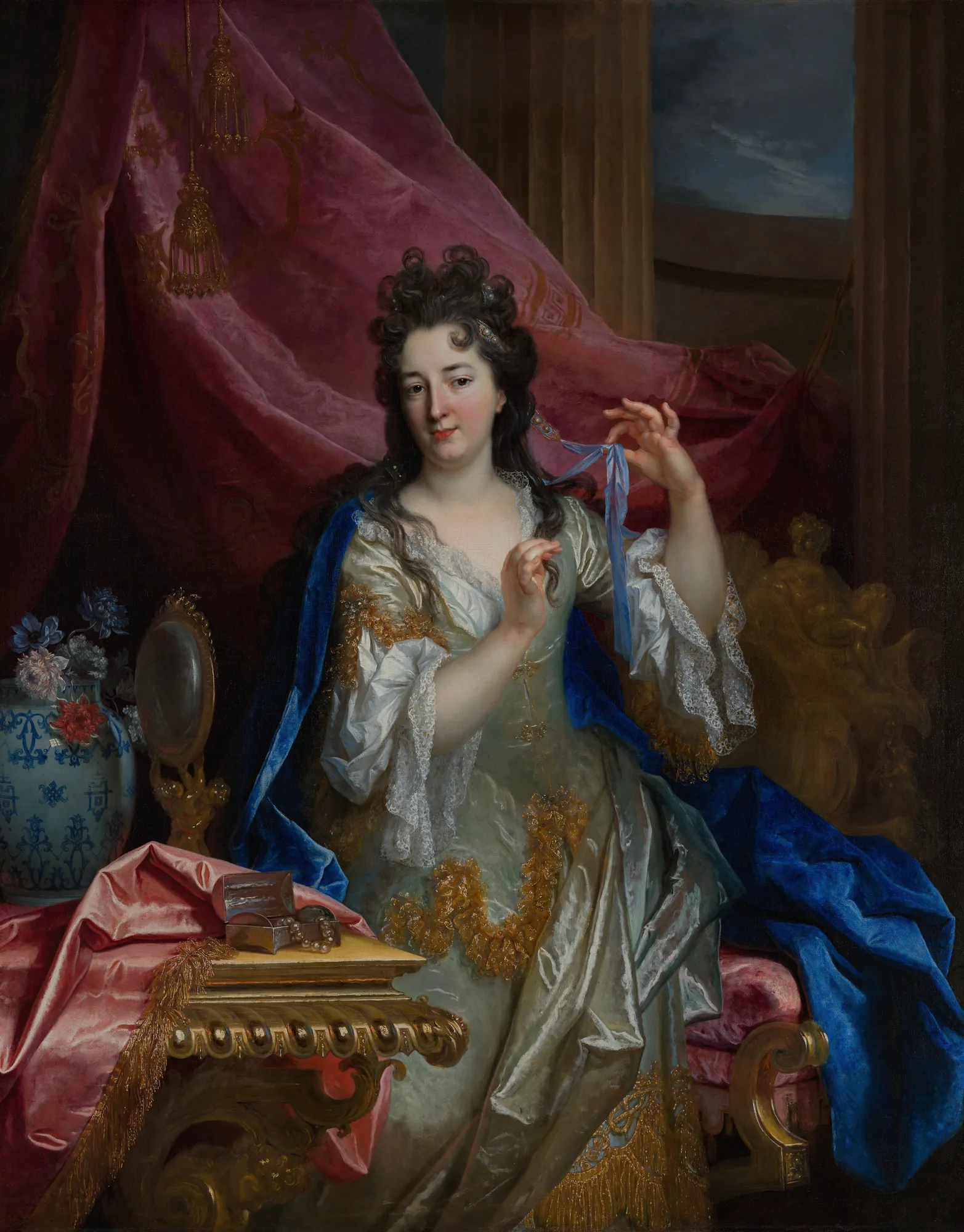
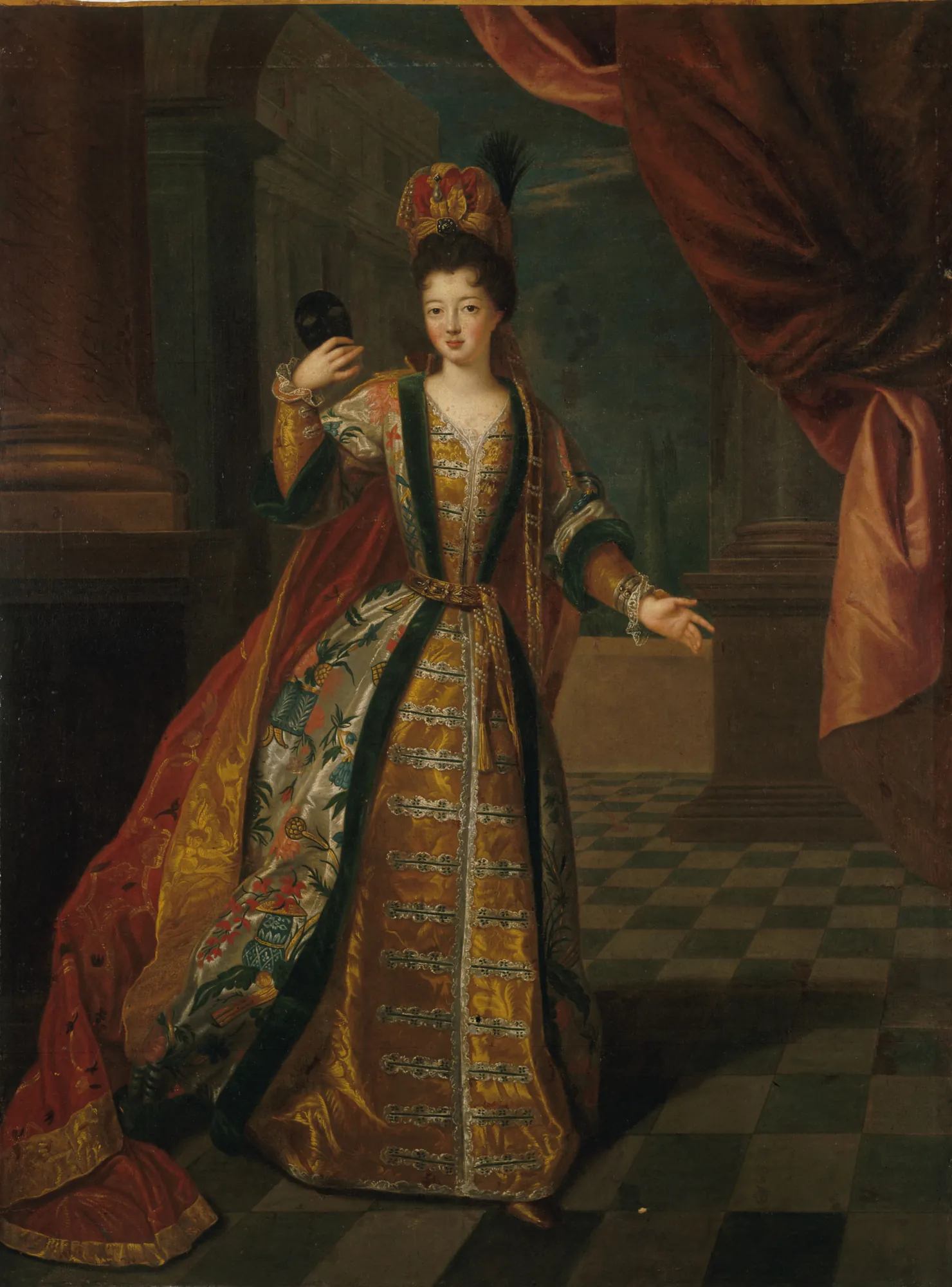
Terpsichore, Muse of Music and Dance
Jean-Marc Nattier
An elegant Rococo masterpiece portraying Terpsichore, the Muse of music and dance, with luminous grace and vibrant drapery.
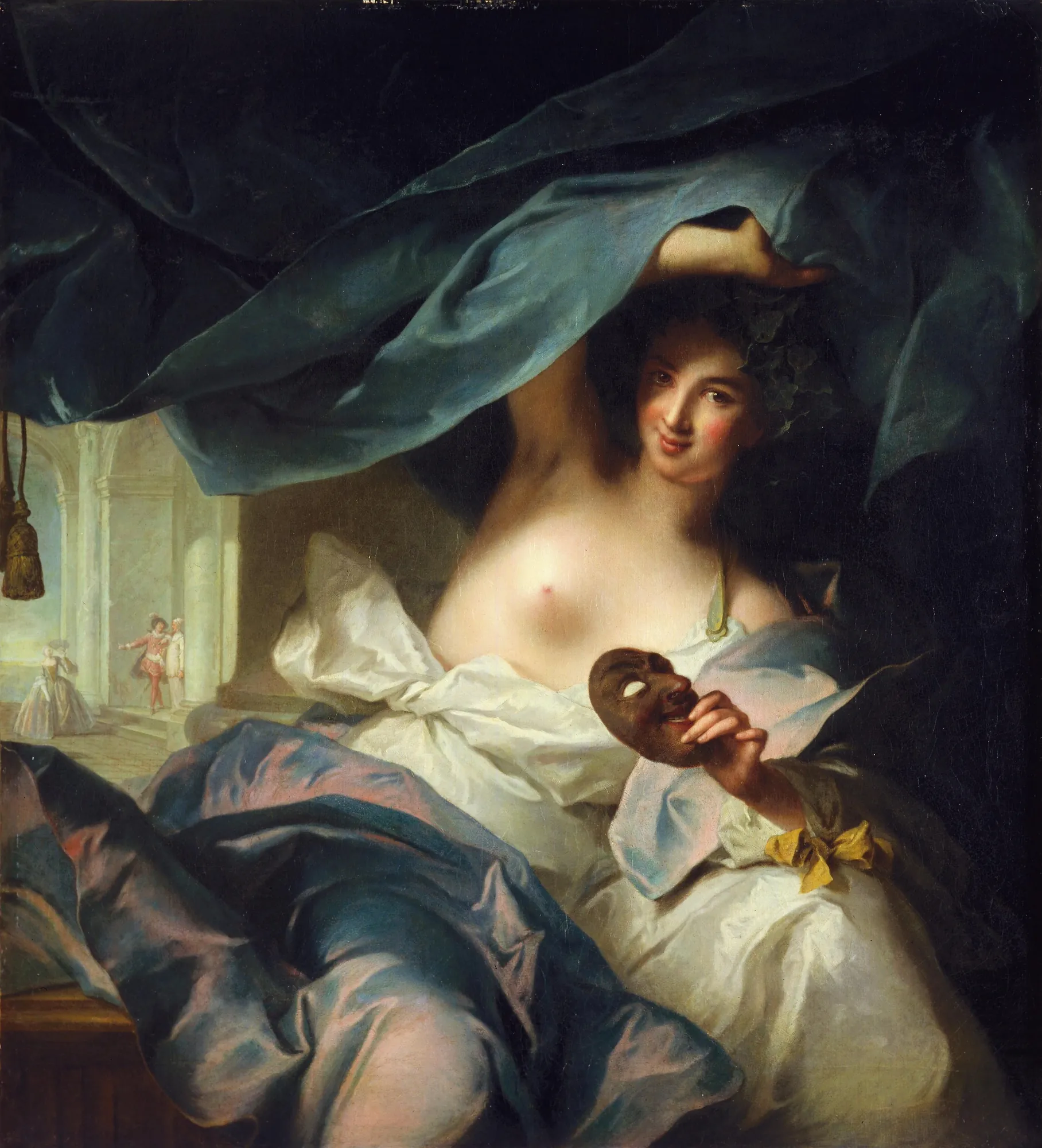
1739 · Oil Paint, Canvas
A luminous Rococo portrayal of Thalia, the Muse of Comedy, captured in a moment of theatrical elegance.
$129
For the selected configuration
From $129
1 frame size
Made to order in ~2 business days · Free U.S. standard shipping (typically 5–8 business days after dispatch)
Where it works
A weightier piece with steady character with crisp neutral depth — brings a composed sense of weight.
About the piece
Painted in 1739 by the celebrated French artist Jean-Marc Nattier, this work depicts Thalia, the Muse of Comedy, holding her signature mask. The composition is a masterclass in the Rococo style, featuring radiant skin tones and shimmering, voluminous blue silk drapery that creates a sense of dynamic movement against the shadowy background.
More like this
Contains nudity
Figure Studies
Jean-Marc Nattier
An elegant Rococo masterpiece portraying Terpsichore, the Muse of music and dance, with luminous grace and vibrant drapery.
Contains nudity
Figure Studies
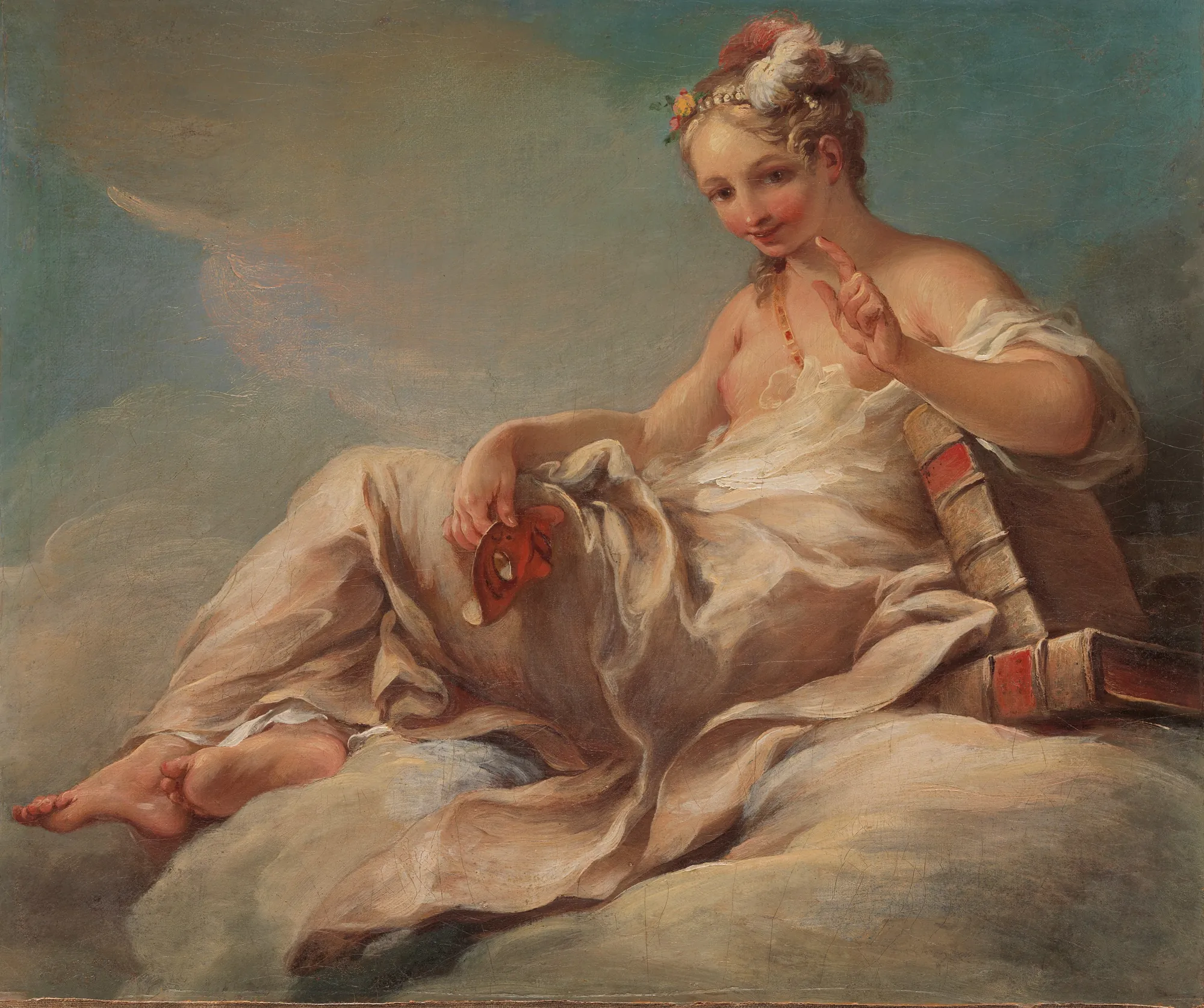
Pierre Charles Trémolières
An elegant Rococo allegory of Comedy, featuring a graceful figure amidst a luminous, cloud-filled sky.
Contains nudity
Figure Studies
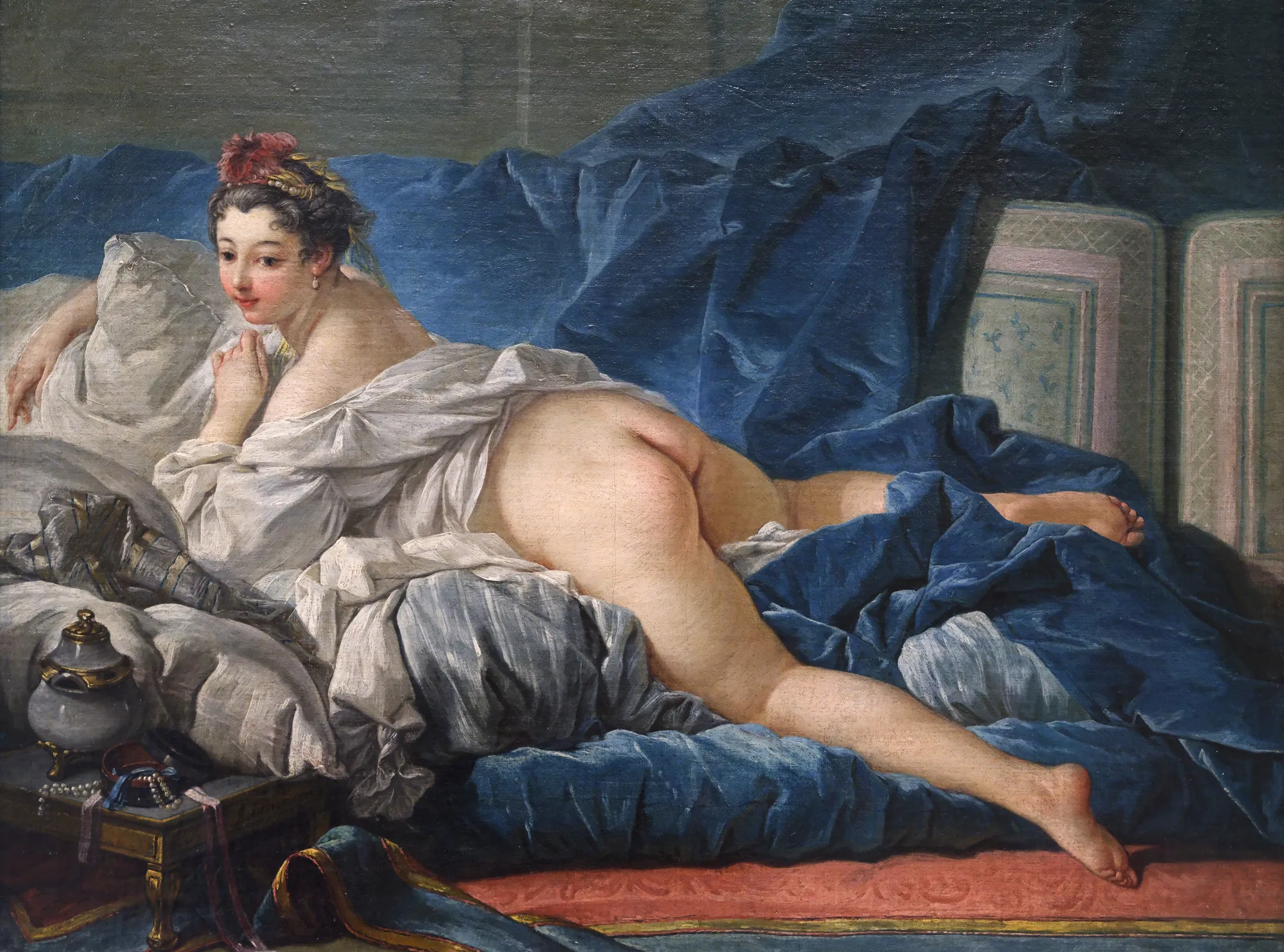
François Boucher
A masterpiece of the French Rococo, this painting by François Boucher depicts a reclining odalisque amidst luxurious blue and white silks.
Contains disturbing content
Figure Studies
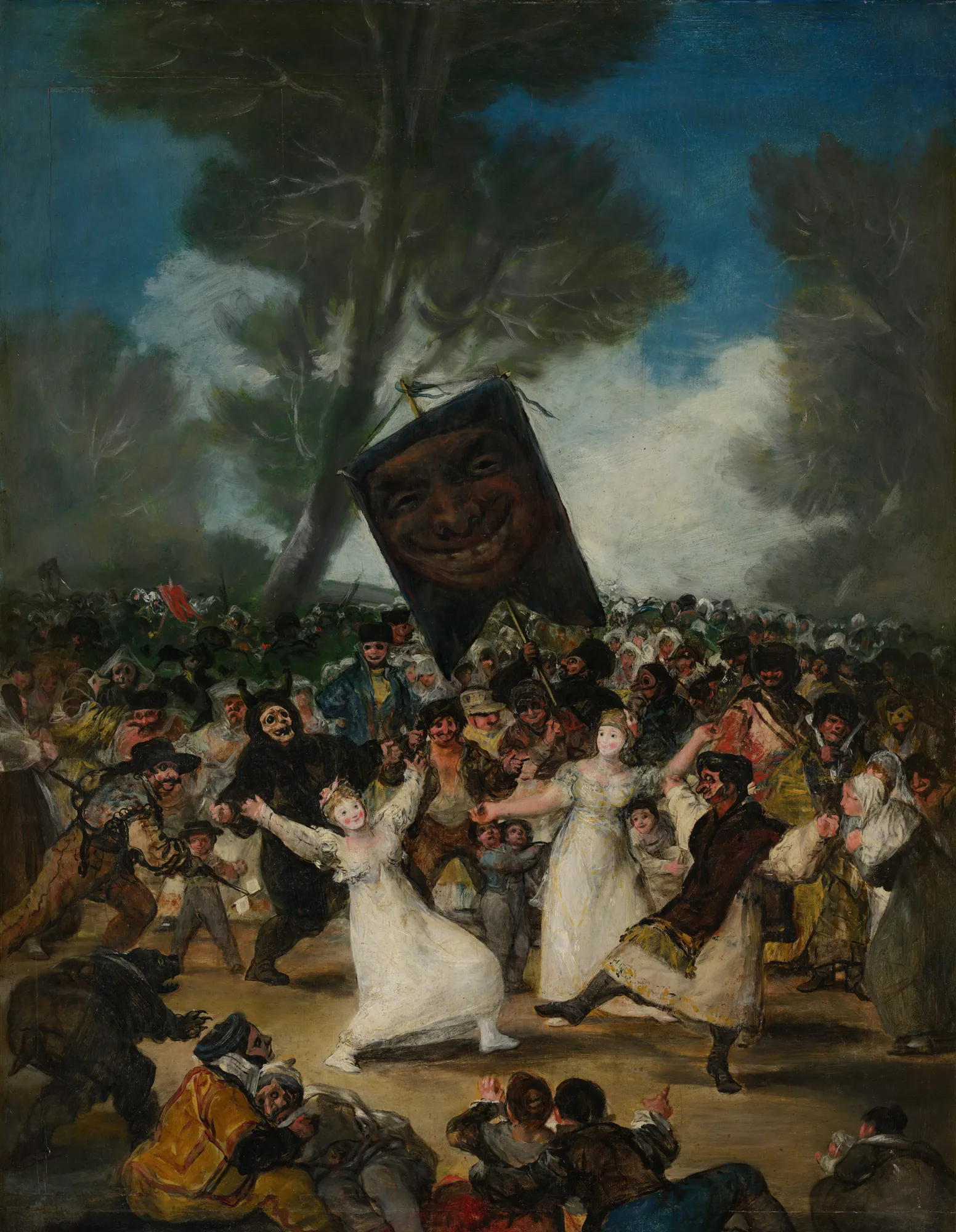
Francisco Goya
A dynamic and expressive carnival scene by Francisco Goya, capturing the energy and mystery of Spanish folklore.
1739 · Oil Paint, Canvas
A luminous Rococo portrayal of Thalia, the Muse of Comedy, captured in a moment of theatrical elegance.
$129
For the selected configuration
From $129
1 frame size
Made to order in ~2 business days · Free U.S. standard shipping (typically 5–8 business days after dispatch)
Where it works
A weightier piece with steady character with crisp neutral depth — brings a composed sense of weight.