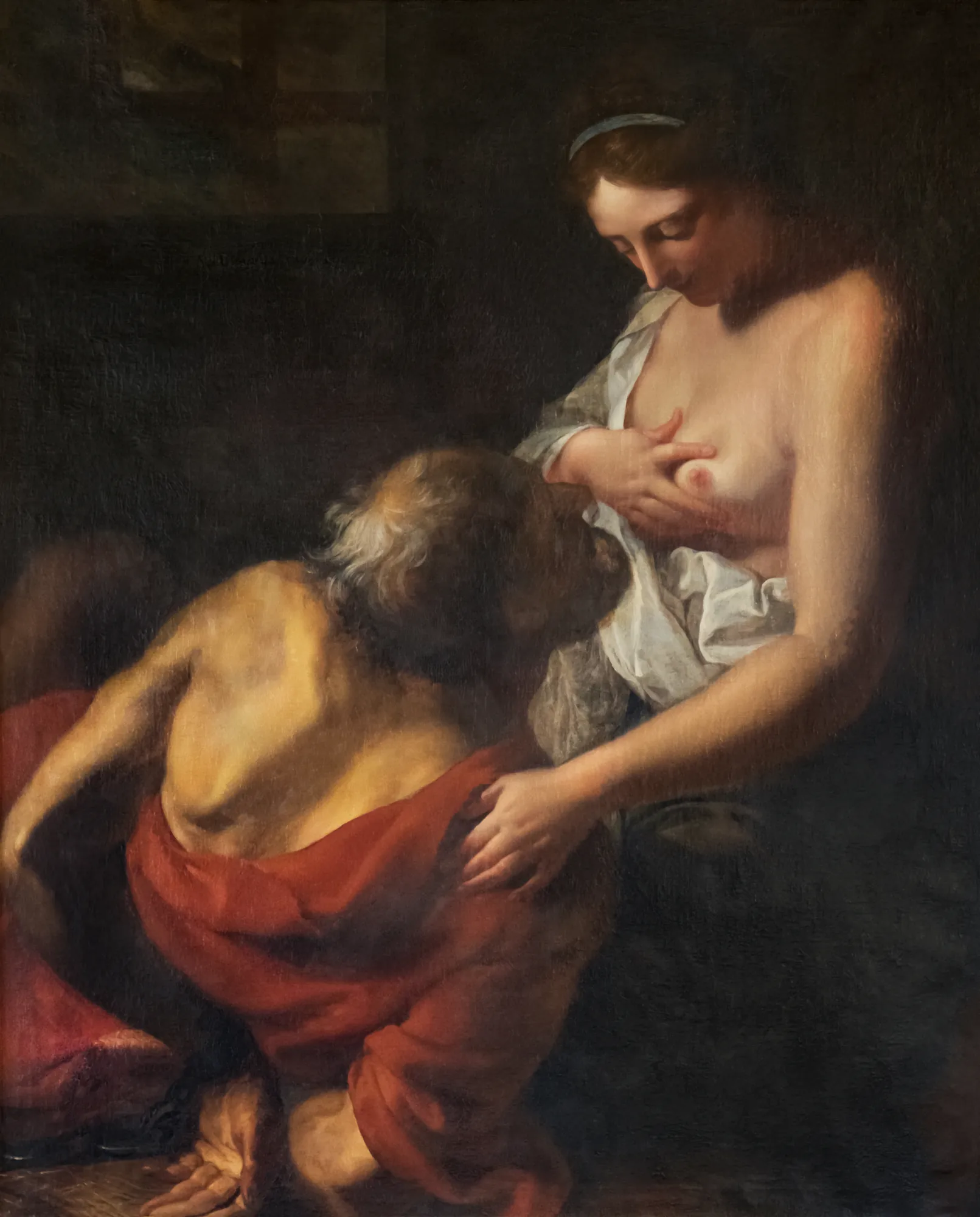
Contains nudity
Figure Studies
The Roman Charity
Pierre Subleyras
A poignant and dramatic classical scene rendered with masterful light and shadow.
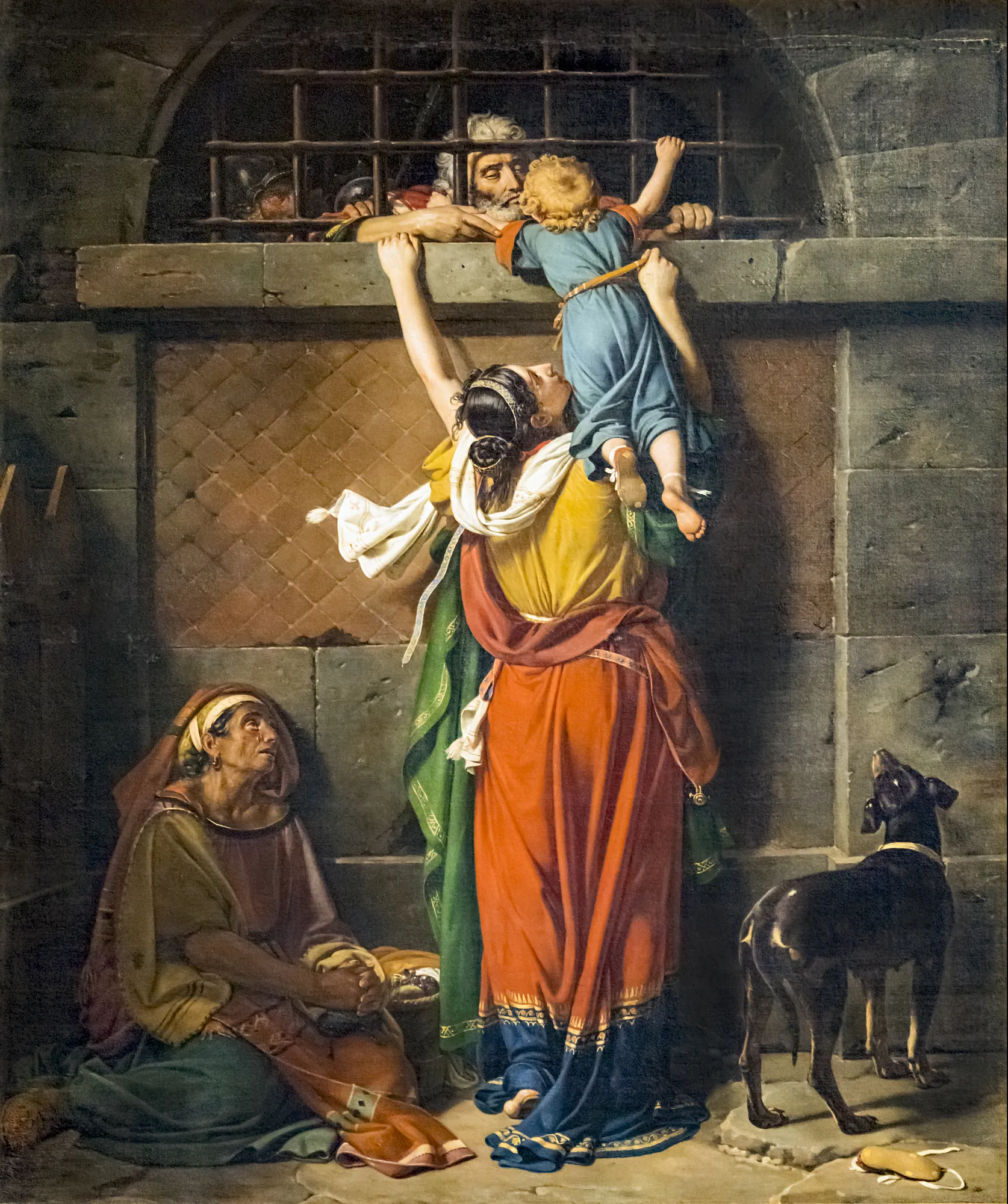
1826 · Oil Paint, Canvas
A dramatic and poignantly captured scene of a family's final farewell at a stone prison window.
$129
For the selected configuration
From $129
5 frame sizes
Made to order in ~2 business days · Free U.S. standard shipping (typically 5–8 business days after dispatch)
Where it works
A substantial, grounding work with warm, lived-in color — holds a formal wall with confidence.
About the piece
Created in 1826 by Jean Victor Schnetz, this masterful oil on canvas depicts the emotional farewell of the Roman consul Boetius. The composition uses dramatic light and shadow to emphasize the desperate reach of the child and the vibrant, textured robes of the figures, characteristic of the 19th-century French academic style.
More like this
Contains nudity
Figure Studies
Pierre Subleyras
A poignant and dramatic classical scene rendered with masterful light and shadow.
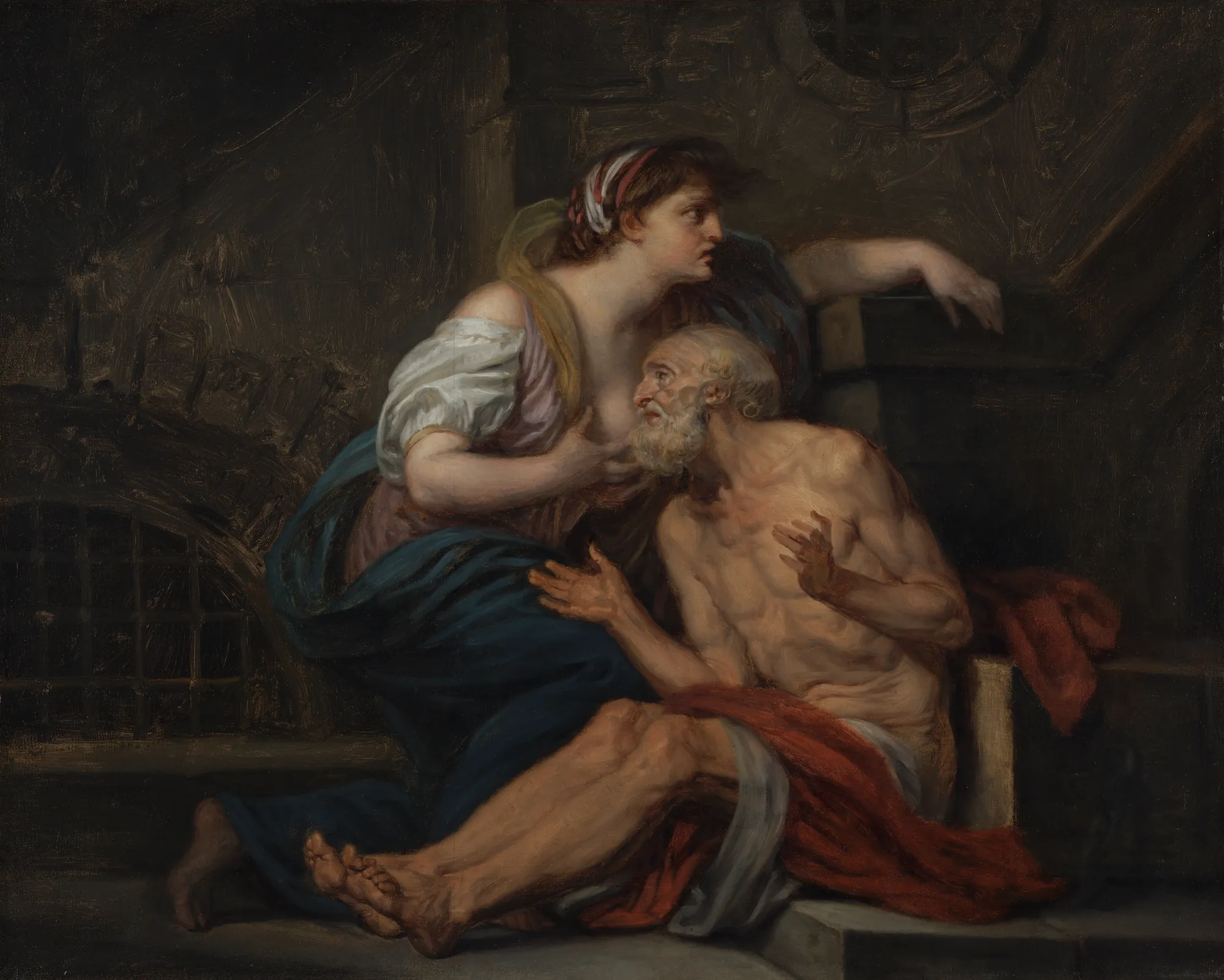
Contains nudity
Figure Studies
Jean-Baptiste Greuze
A masterful neoclassical depiction of filial piety rendered with dramatic chiaroscuro and emotional depth.
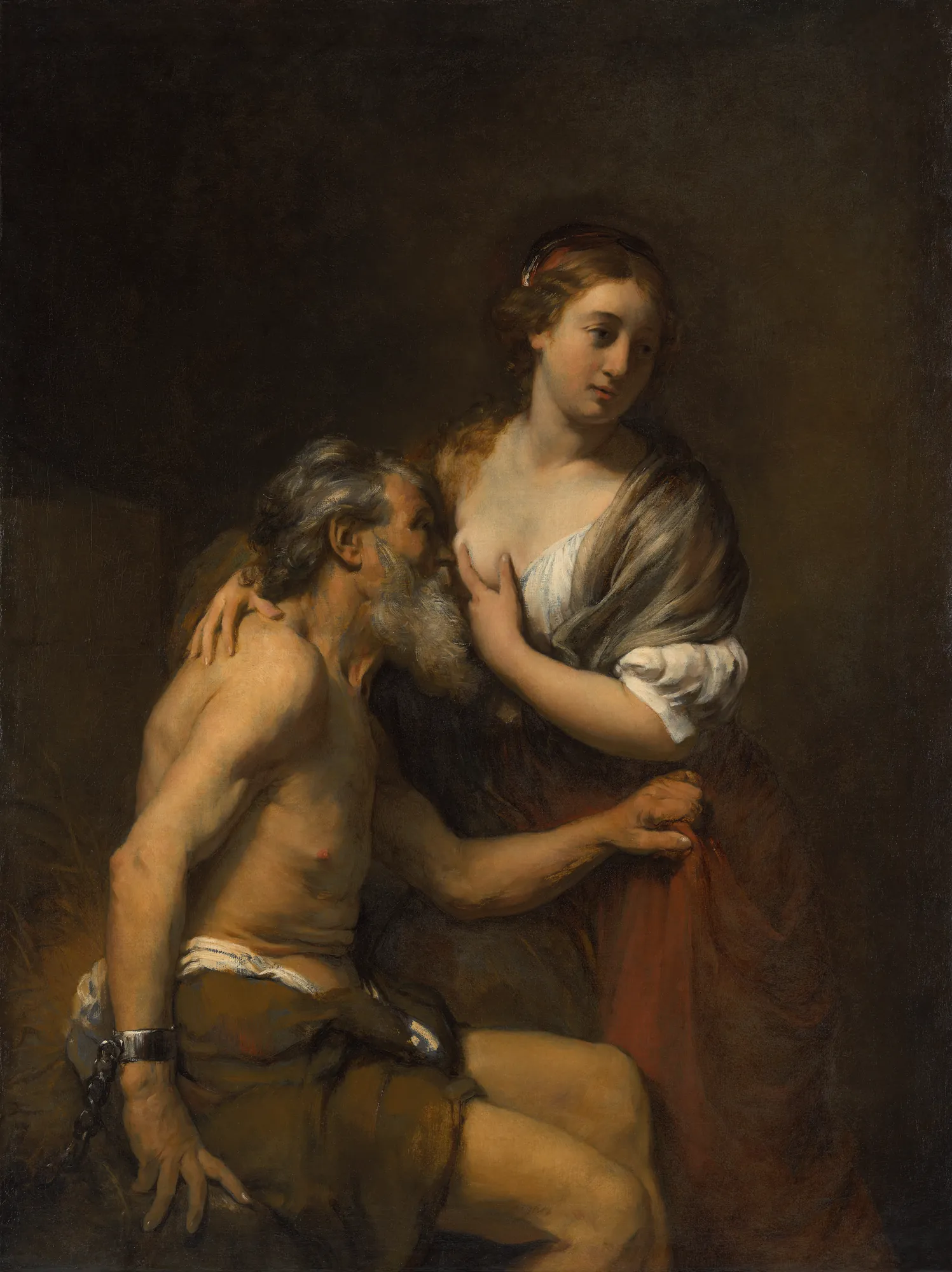
Contains nudity
Figure Studies
Willem Drost
An emotionally resonant 17th-century masterpiece depicting the classical allegory of filial piety through dramatic light and shadow.
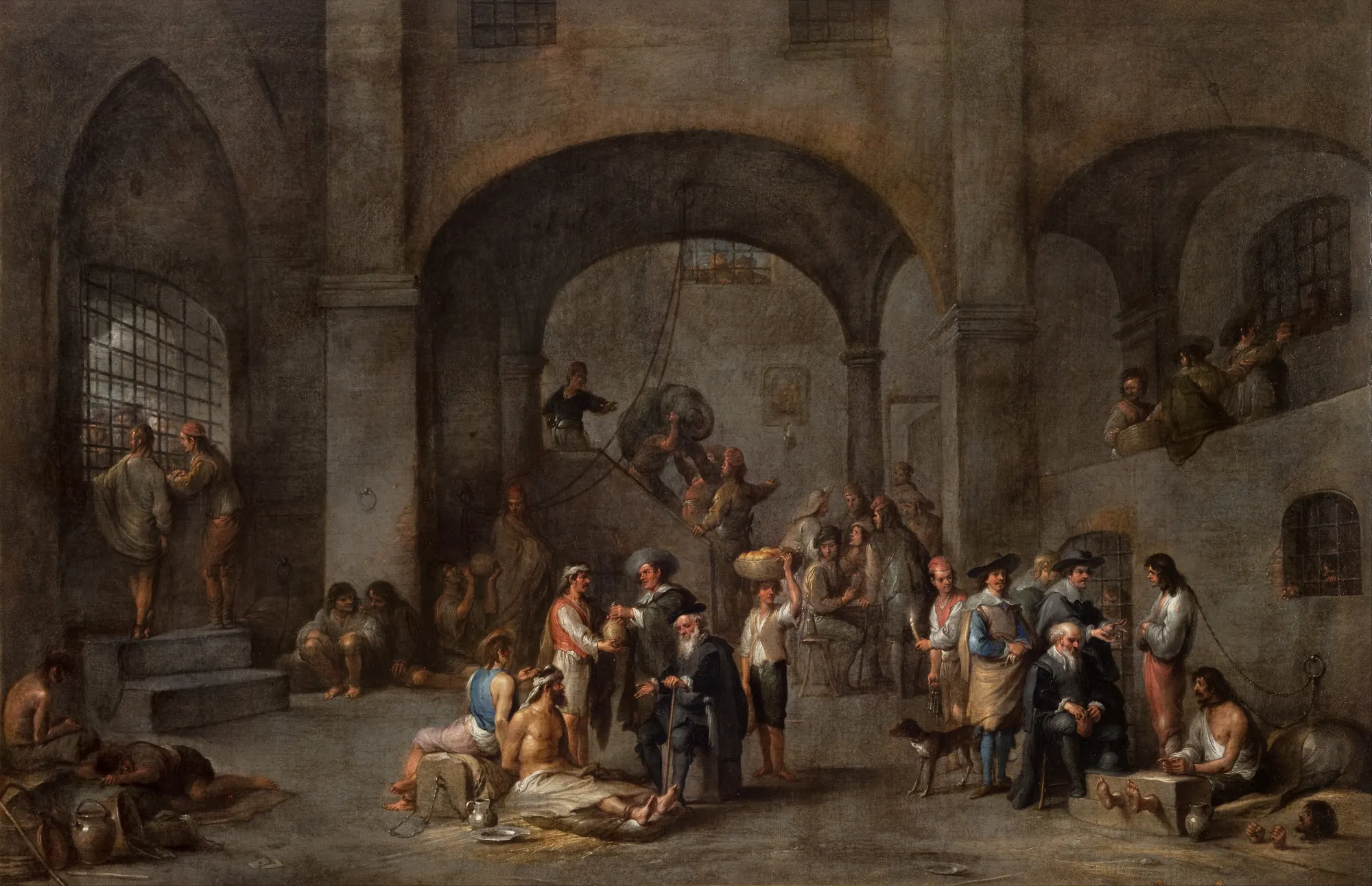
Contains disturbing content
Dark Academia
Cornelis de Wael
A masterful 17th-century scene depicting the act of visiting the imprisoned within a vaulted, atmospheric hall.
1826 · Oil Paint, Canvas
A dramatic and poignantly captured scene of a family's final farewell at a stone prison window.
$129
For the selected configuration
From $129
5 frame sizes
Made to order in ~2 business days · Free U.S. standard shipping (typically 5–8 business days after dispatch)
Where it works
A substantial, grounding work with warm, lived-in color — holds a formal wall with confidence.