Contains nudity
Figure Studies
The Good Samaritan
Aimé Morot
A powerful and dramatic academic painting capturing a moment of profound compassion and humanity.
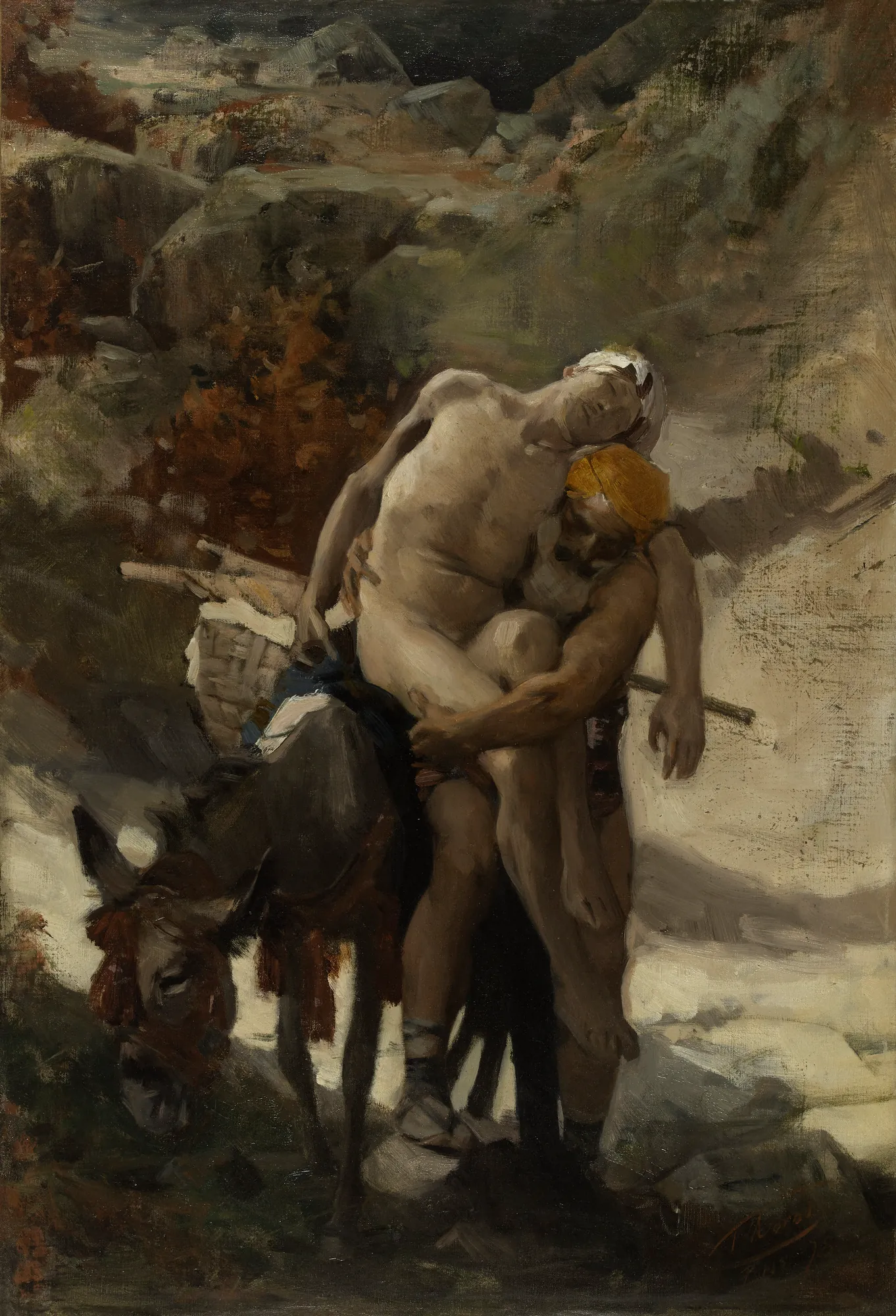
1878 · Oil Paint, Canvas
A powerful and expressive 19th-century oil sketch depicting the biblical parable of the Good Samaritan.
$129
For the selected configuration
From $129
5 frame sizes
Made to order in ~2 business days · Free U.S. standard shipping (typically 5–8 business days after dispatch)
Where it works
A substantial, grounding work with softened warm notes — brings a composed sense of weight.
About the piece
Created in 1878 by French painter Aimé Morot, this evocative oil-on-canvas study captures the emotional depth of the Good Samaritan parable. The 'esquisse' or sketch style offers a modern, textural feel with visible brushwork and a moody, atmospheric palette that elevates the classical narrative.
More like this
Contains nudity
Figure Studies
Aimé Morot
A powerful and dramatic academic painting capturing a moment of profound compassion and humanity.
Contains nudity
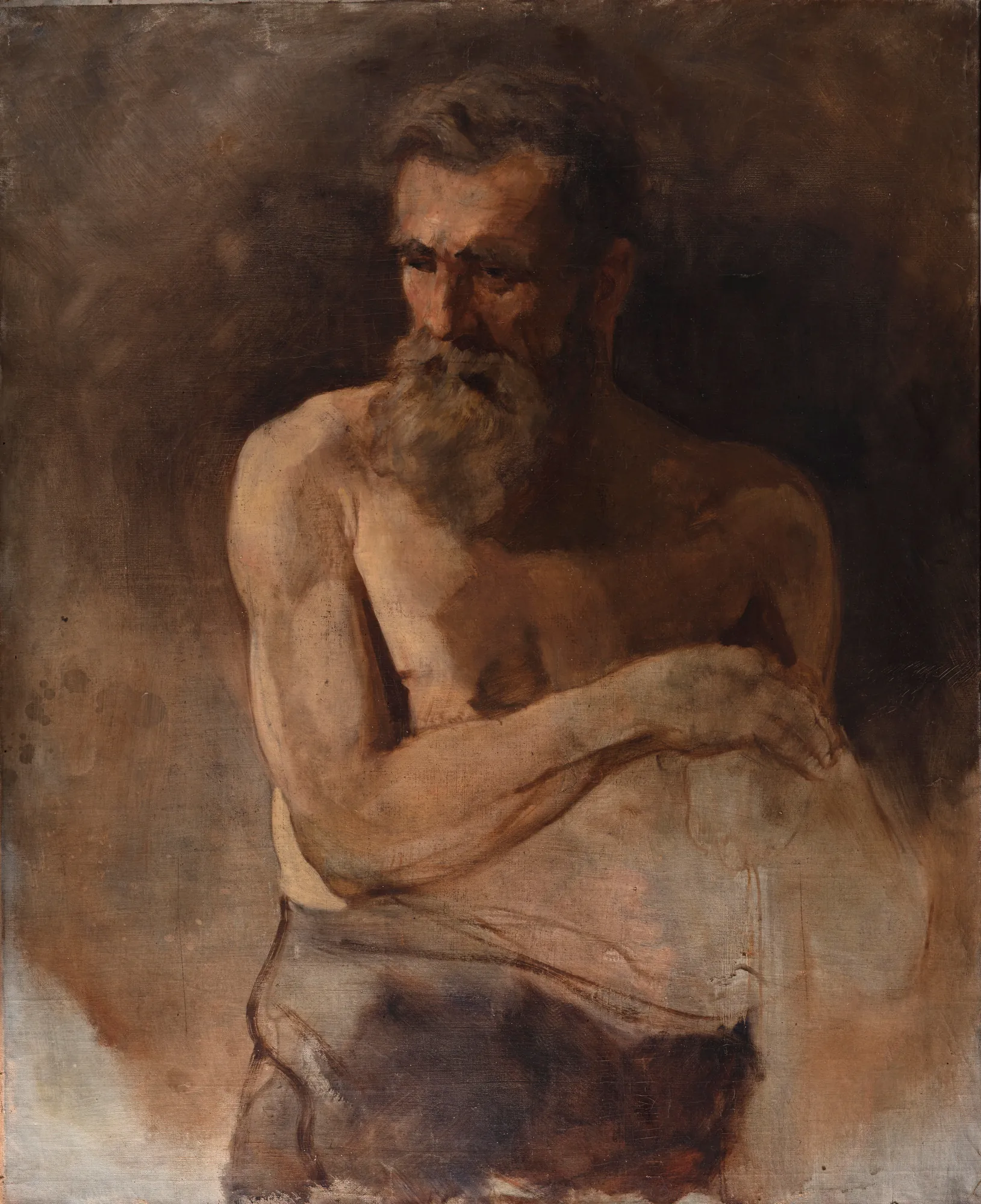
Figure Studies
James Ensor
A soulful oil study of an elderly man, capturing a moment of quiet contemplation through masterful light and shadow.
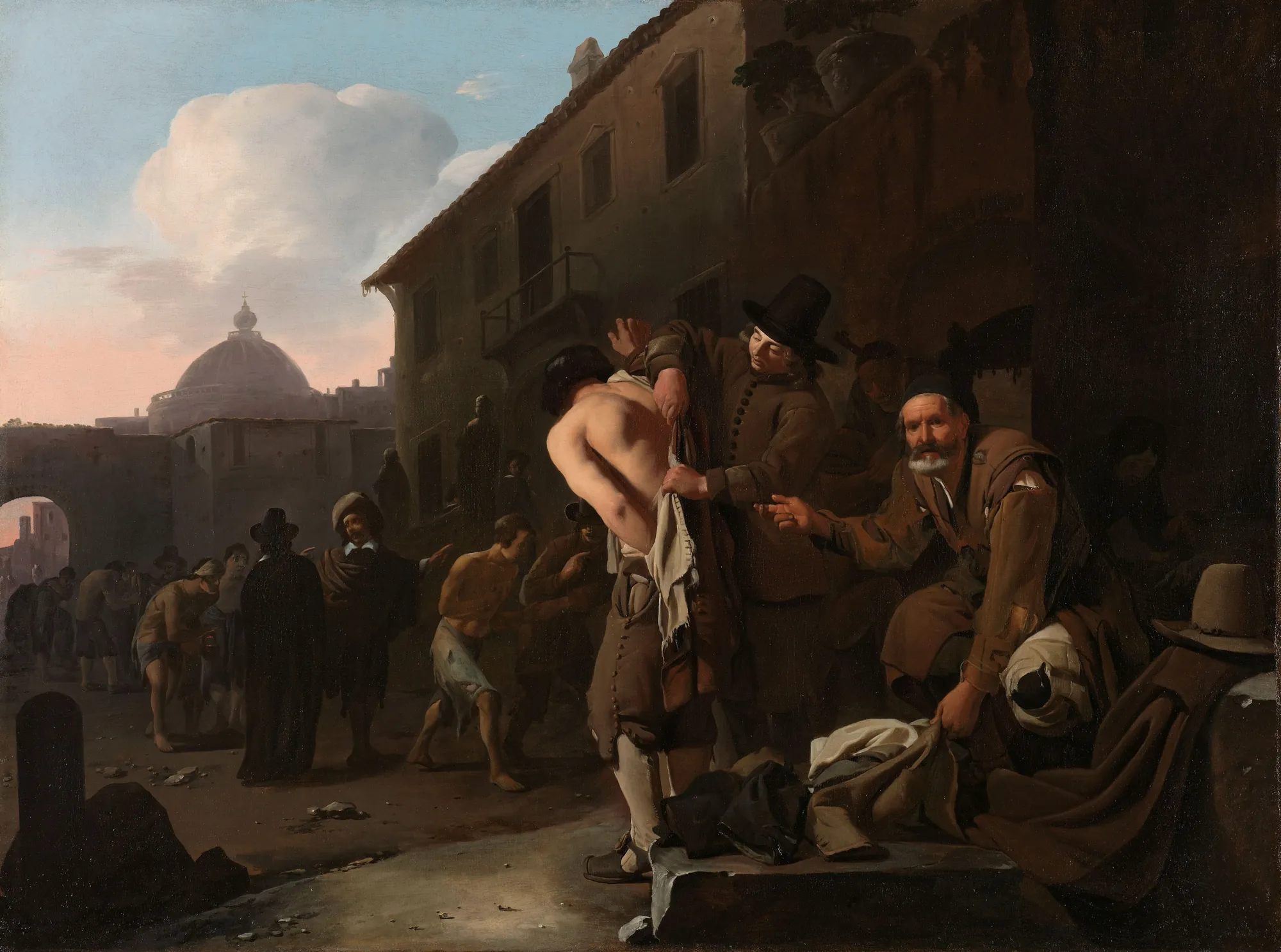
Contains nudity
Figure Studies
Michiel Sweerts
A masterful Baroque scene of charity and compassion set against the backdrop of historical Rome.

Contains nudity
Figure Studies
Augustin Théodule Ribot
An atmospheric 19th-century masterpiece capturing a moment of profound compassion through intense light and shadow.
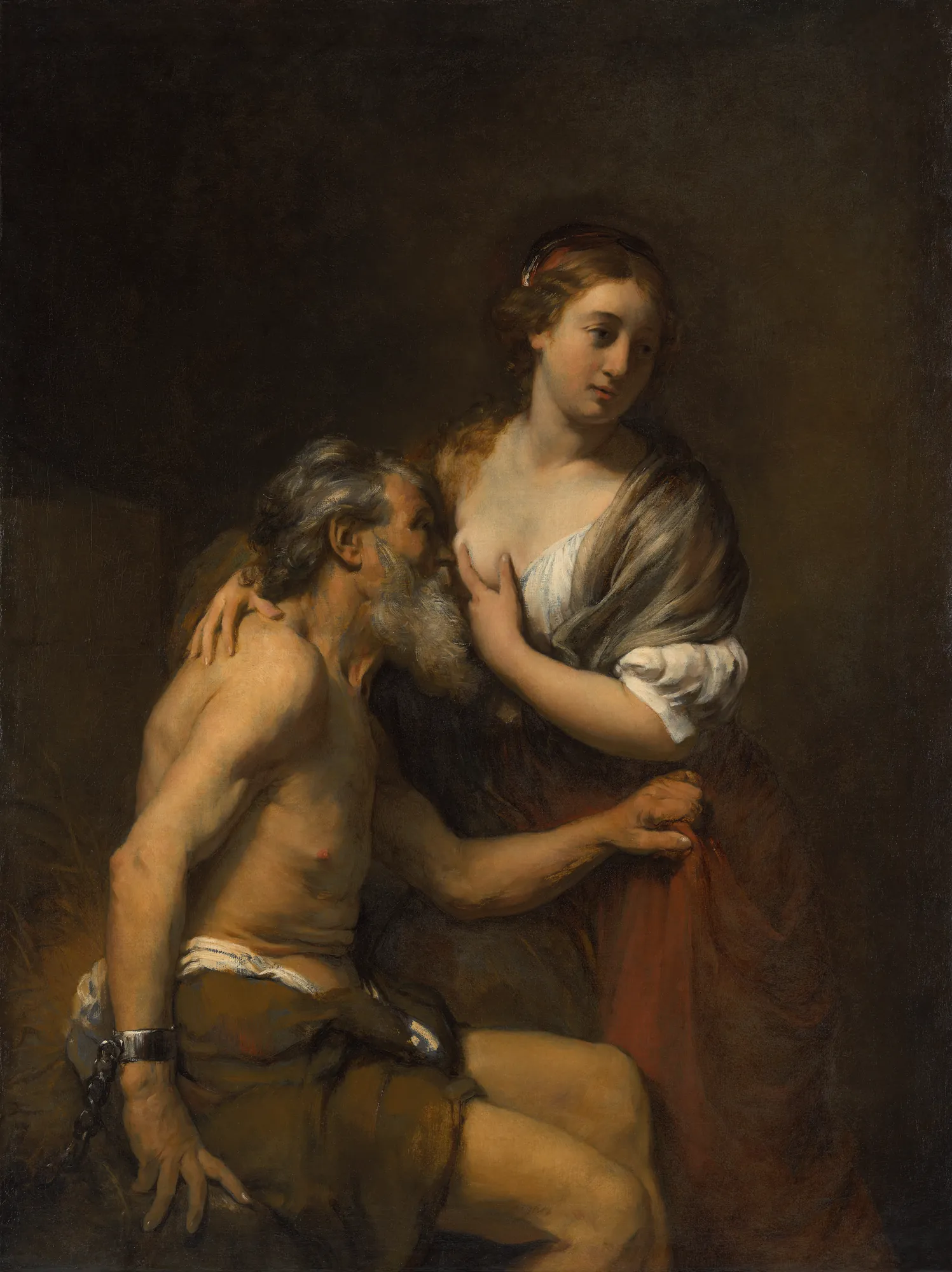
Contains nudity
Figure Studies
Willem Drost
An emotionally resonant 17th-century masterpiece depicting the classical allegory of filial piety through dramatic light and shadow.
1878 · Oil Paint, Canvas
A powerful and expressive 19th-century oil sketch depicting the biblical parable of the Good Samaritan.
$129
For the selected configuration
From $129
5 frame sizes
Made to order in ~2 business days · Free U.S. standard shipping (typically 5–8 business days after dispatch)
Where it works
A substantial, grounding work with softened warm notes — brings a composed sense of weight.