
Dark Academia
The Egyptian Widow
Lawrence Alma-Tadema
A poignant and highly detailed scene of mourning set within the architectural grandeur of ancient Egypt.
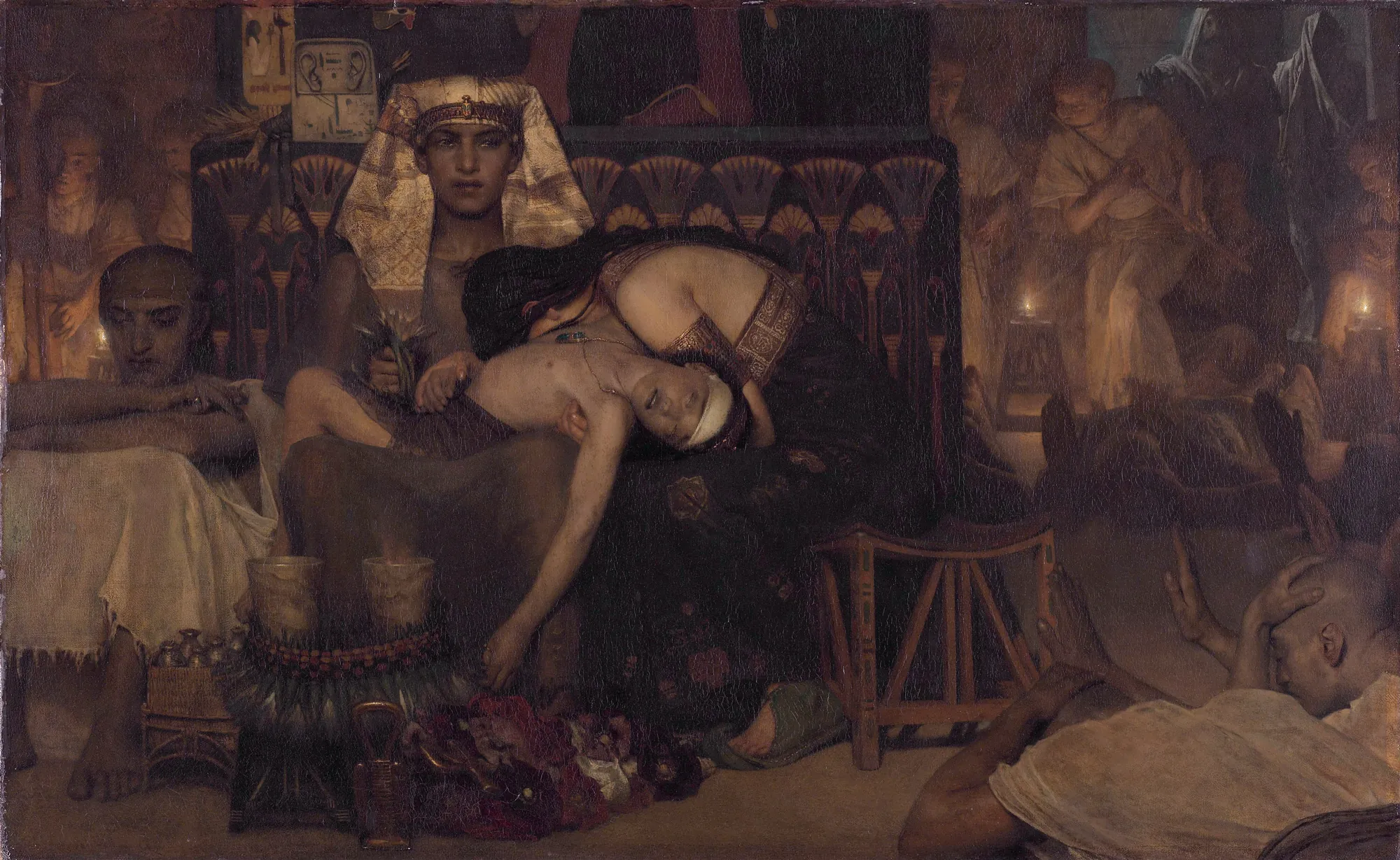
1872 · Oil Paint, Canvas
This dramatic 19th-century masterpiece by Lawrence Alma-Tadema captures a poignant moment of biblical history with incredible detail and atmospheric depth.
$129
For the selected configuration
From $129
3 frame sizes
Made to order in ~2 business days · Free U.S. standard shipping (typically 5–8 business days after dispatch)
Where it works
A substantial, grounding work in a warmer tonal register — brings a composed sense of weight.
About the piece
Lawrence Alma-Tadema's 1872 work, 'Death of the Pharaoh's Firstborn Son,' showcases the artist's renowned ability to combine archaeological detail with emotional narrative. Set within a richly decorated Egyptian interior, the painting uses a dark, somber palette to emphasize the weight of the tragedy, making it a striking choice for a gallery wall or a scholarly study.
More like this
Contains nudity
Figure Studies
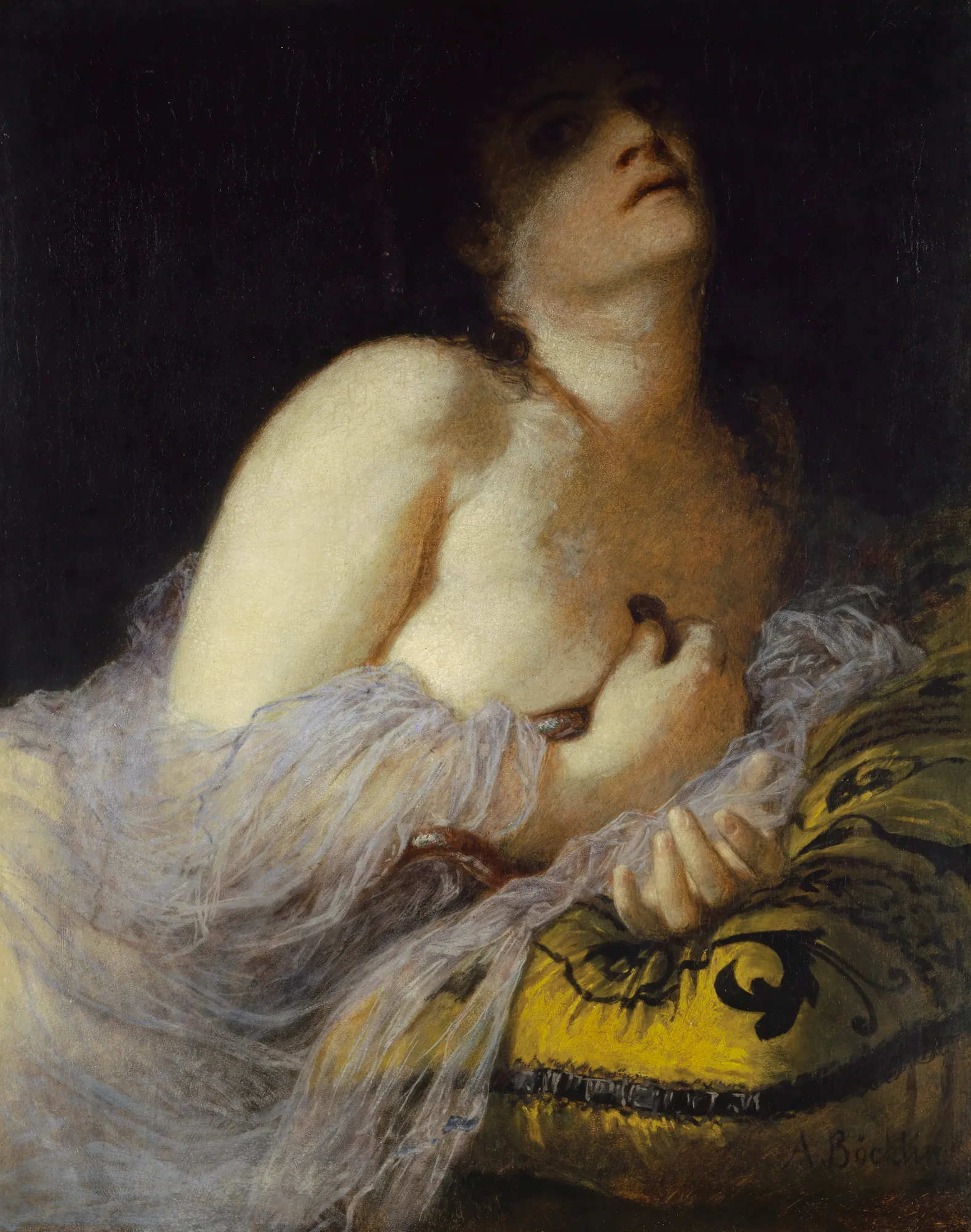
Arnold Böcklin
A striking 19th-century portrayal of Cleopatra's demise, defined by masterful light and shadow.
Contains nudity
oil paint
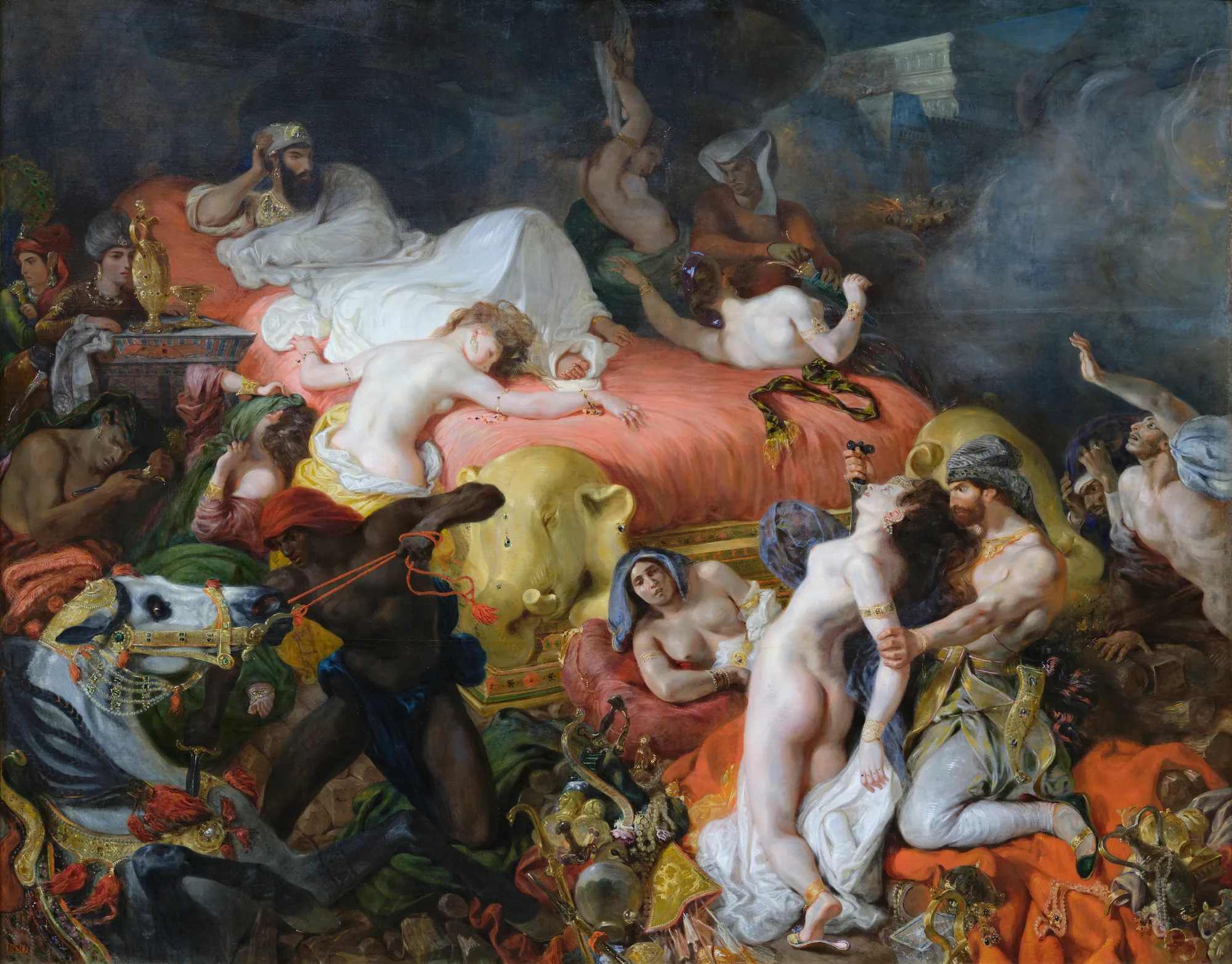
Eugène Delacroix
An iconic masterpiece of French Romanticism, Delacroix's sweeping epic depicts a scene of tragic opulence and dramatic intensity.
Contains disturbing content
Dark Academia
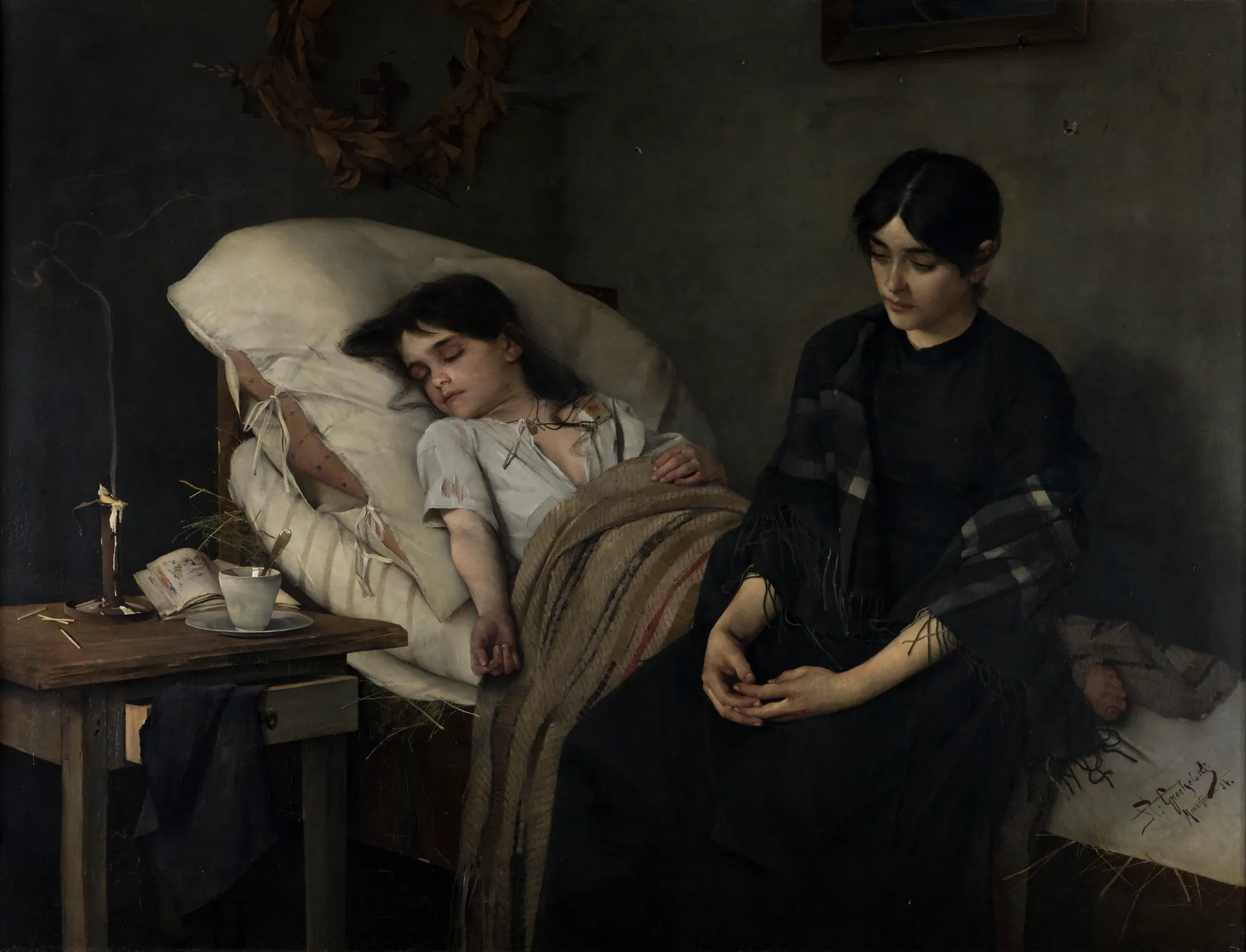
Stanisław Grocholski
A profoundly moving 19th-century realist scene capturing the stillness and gravity of grief.
Contains nudity
Figure Studies
Alexandre Cabanel
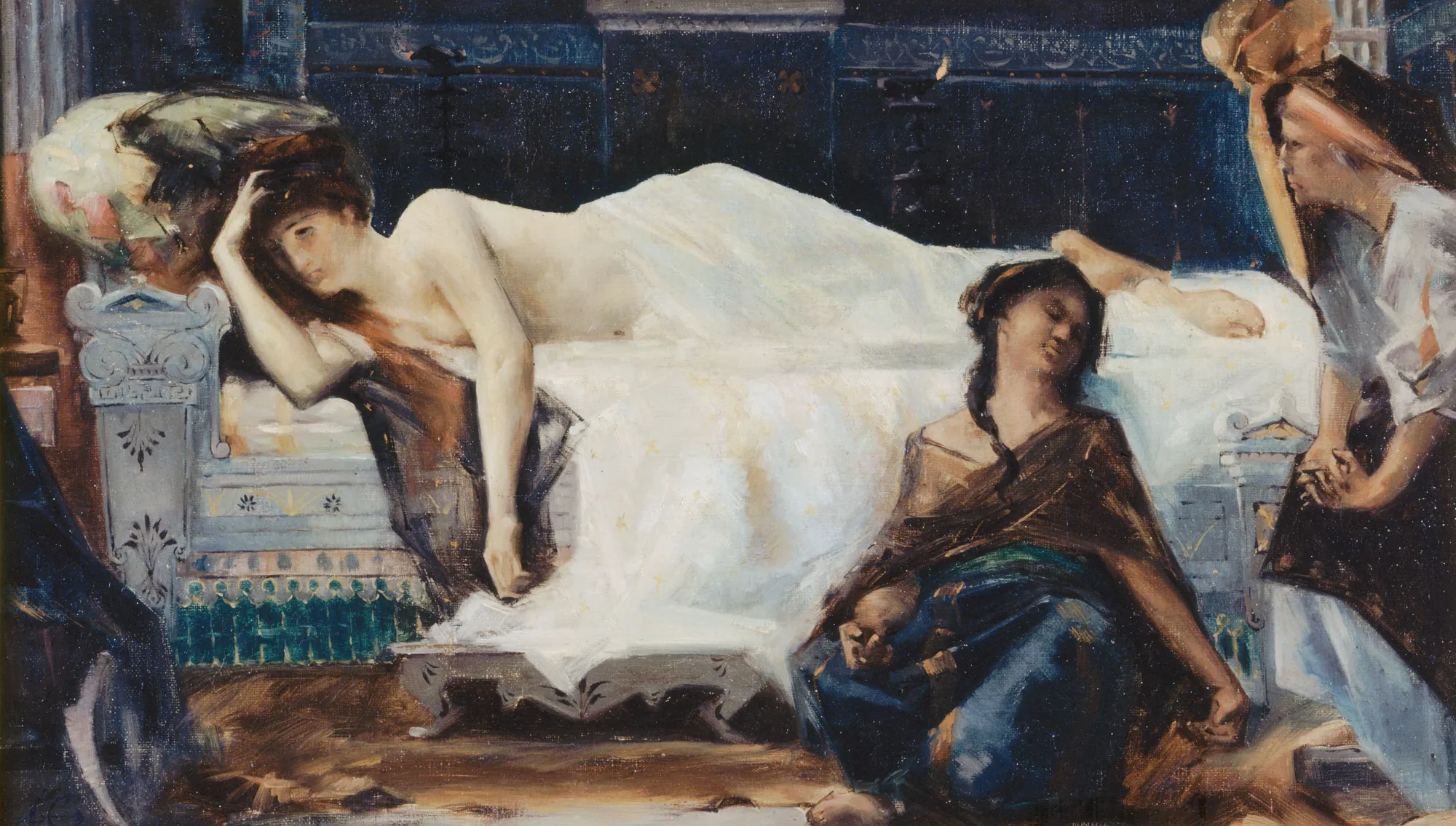
A moody and dramatic study by Alexandre Cabanel depicting the classical figure Phèdre in a moment of languid melancholy.
1872 · Oil Paint, Canvas
This dramatic 19th-century masterpiece by Lawrence Alma-Tadema captures a poignant moment of biblical history with incredible detail and atmospheric depth.
$129
For the selected configuration
From $129
3 frame sizes
Made to order in ~2 business days · Free U.S. standard shipping (typically 5–8 business days after dispatch)
Where it works
A substantial, grounding work in a warmer tonal register — brings a composed sense of weight.