Figure Studies
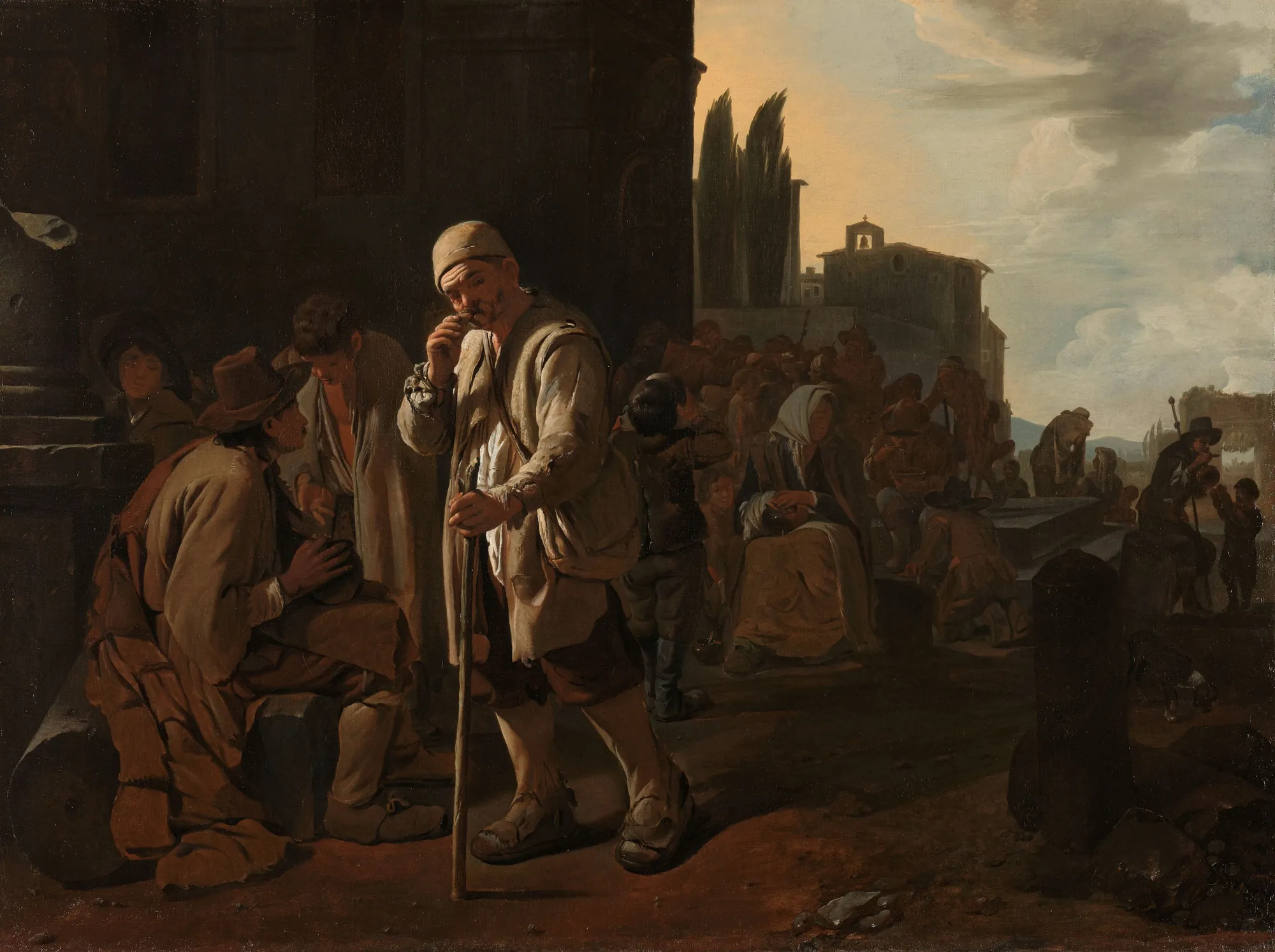
Feeding the Hungry
Michiel Sweerts
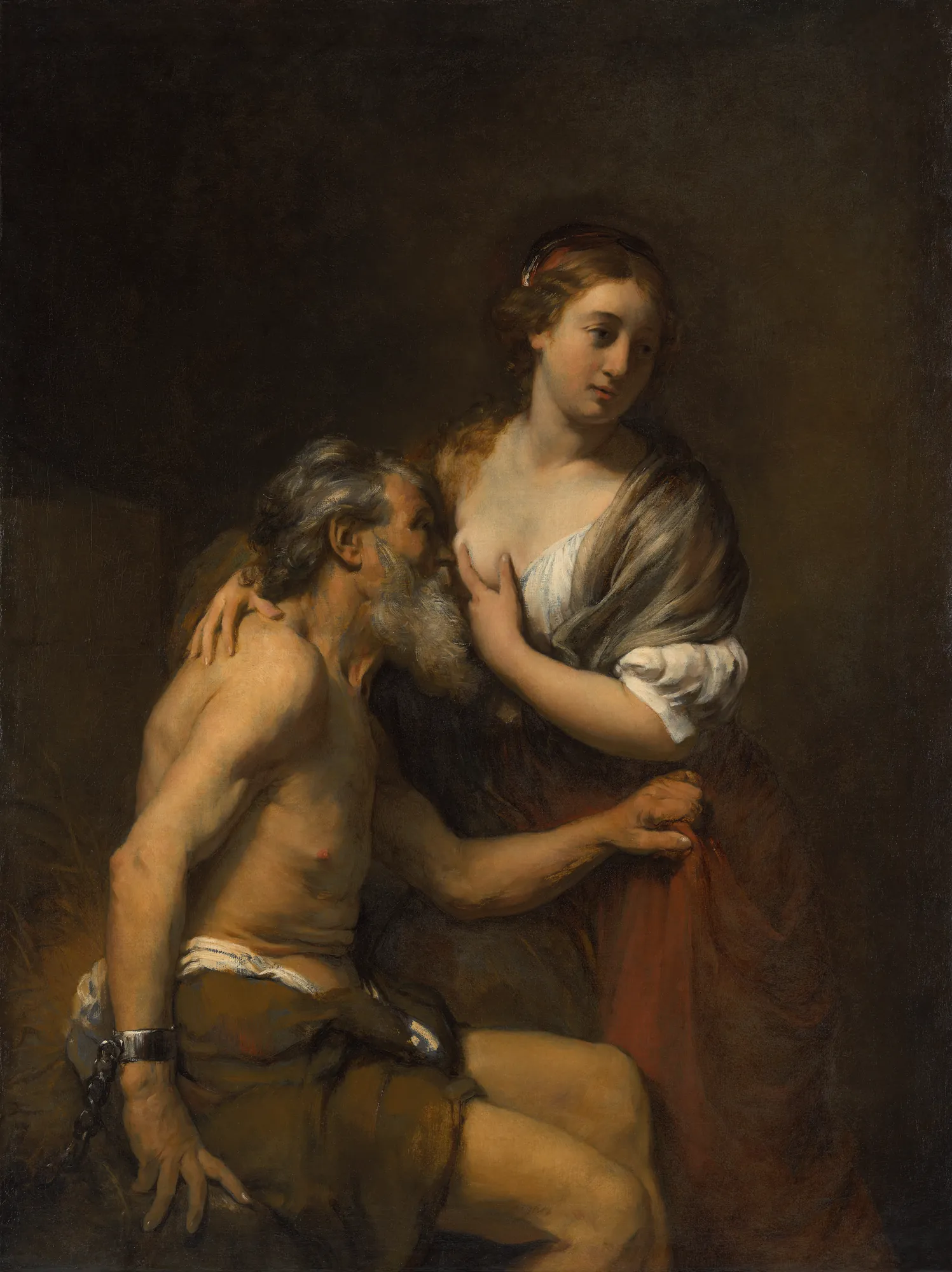
An atmospheric 17th-century street scene depicting an act of charity with dramatic chiaroscuro lighting.
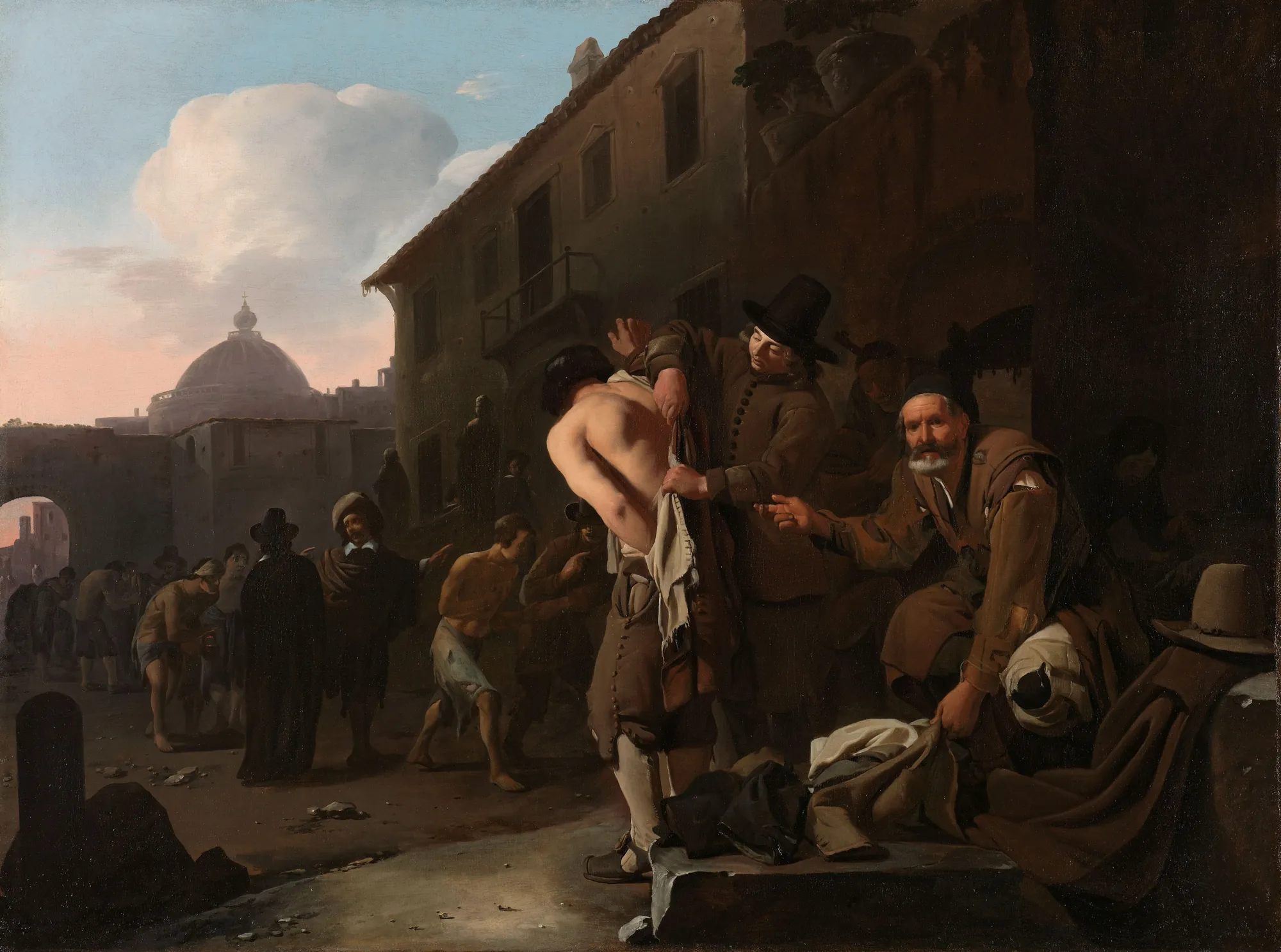
1646 · Oil Paint, Canvas
A masterful Baroque scene of charity and compassion set against the backdrop of historical Rome.
$129
For the selected configuration
From $129
5 frame sizes
Made to order in ~2 business days · Free U.S. standard shipping (typically 5–8 business days after dispatch)
Where it works
A substantial, grounding work with warm, lived-in color — holds a formal wall with confidence.
About the piece
Painted in 1646 by Michiel Sweerts, this compelling genre scene illustrates one of the Seven Works of Mercy. The work features the artist's characteristic use of dramatic chiaroscuro and a muted, earthy palette, capturing a poignant moment of human connection amidst the classical architecture of Rome, identifiable by the prominent dome in the distance.
More like this
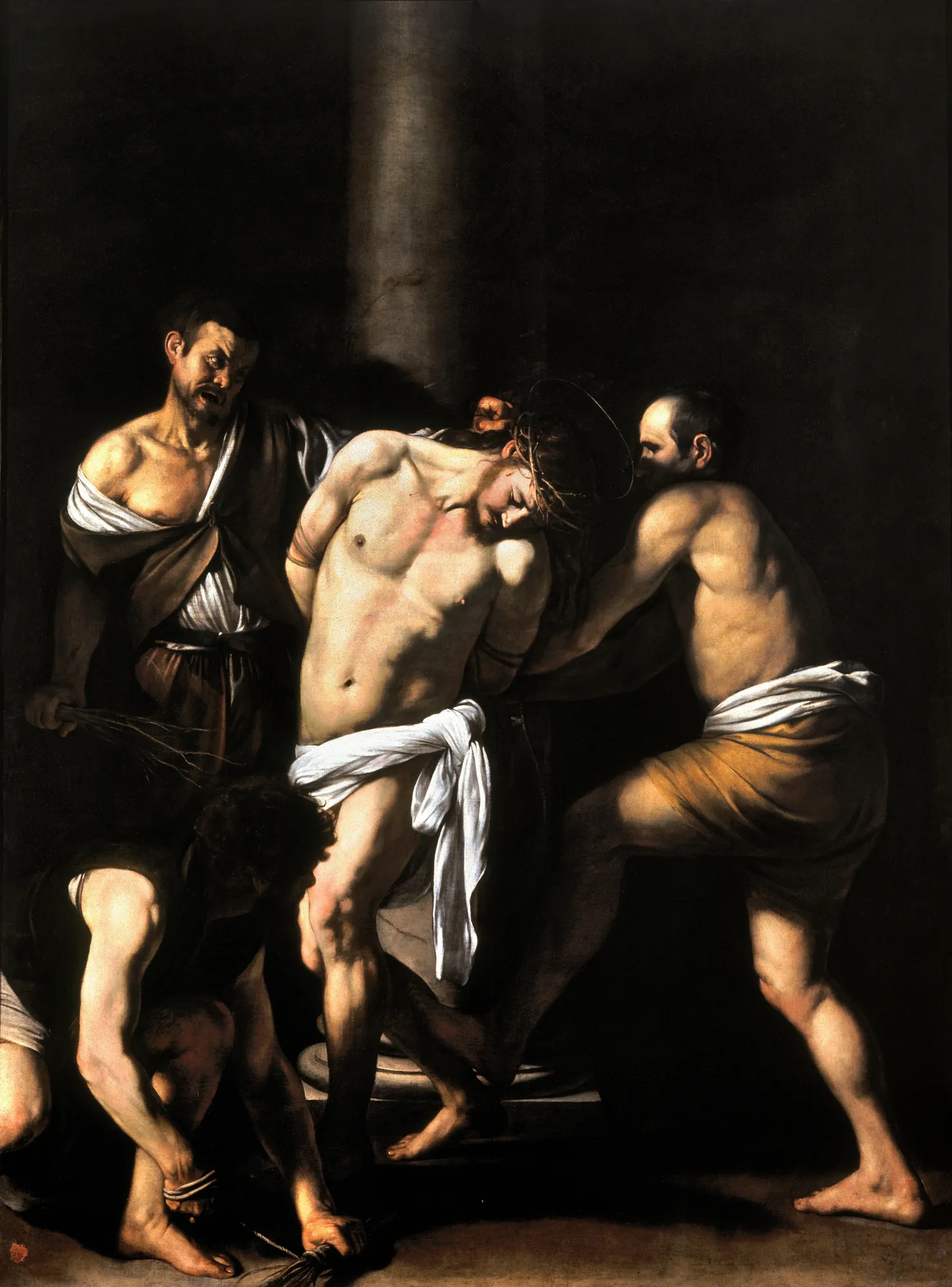
Contains nudity
Figure Studies
Caravaggio
A dramatic Caravaggio masterpiece characterized by intense chiaroscuro and visceral physical realism.
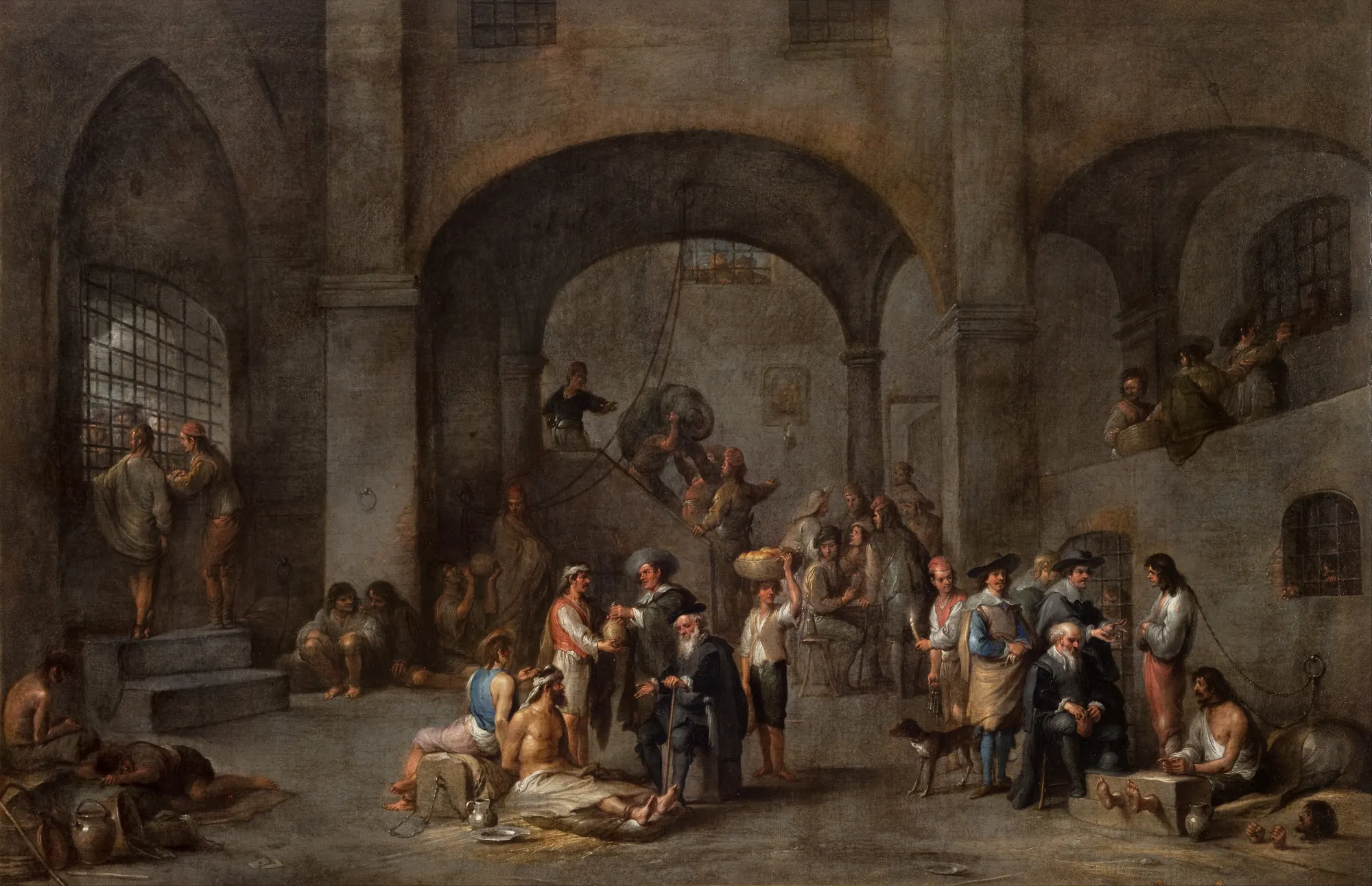
Contains disturbing content
Dark Academia
Cornelis de Wael
A masterful 17th-century scene depicting the act of visiting the imprisoned within a vaulted, atmospheric hall.
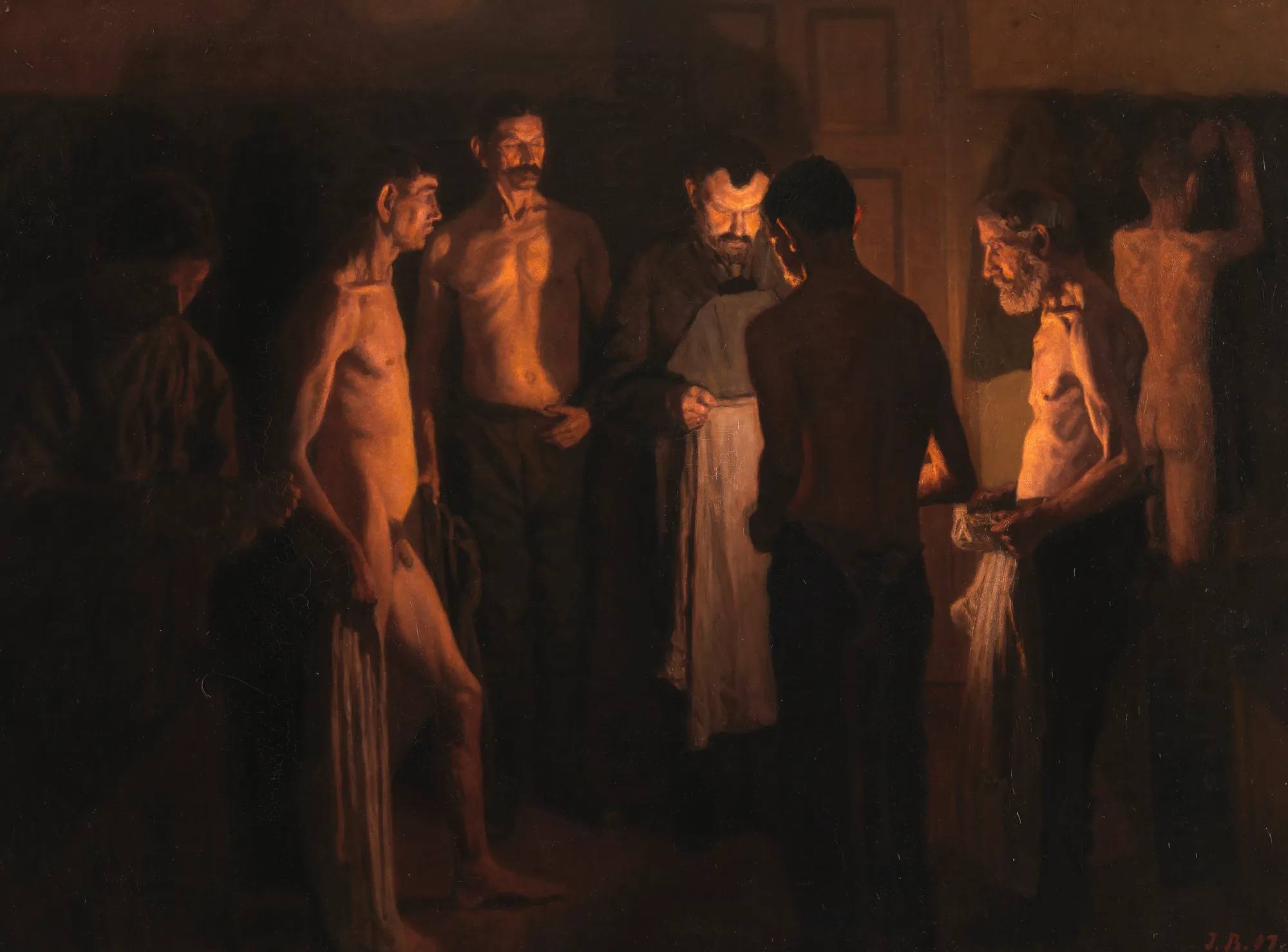
Contains nudity
Dark Academia
Jens Birkholm
A striking example of social realism, this work uses dramatic chiaroscuro to capture a quiet, intimate moment among men in a shelter.
Contains nudity
Figure Studies
Willem Drost
An emotionally resonant 17th-century masterpiece depicting the classical allegory of filial piety through dramatic light and shadow.
1646 · Oil Paint, Canvas
A masterful Baroque scene of charity and compassion set against the backdrop of historical Rome.
$129
For the selected configuration
From $129
5 frame sizes
Made to order in ~2 business days · Free U.S. standard shipping (typically 5–8 business days after dispatch)
Where it works
A substantial, grounding work with warm, lived-in color — holds a formal wall with confidence.