Figure Studies
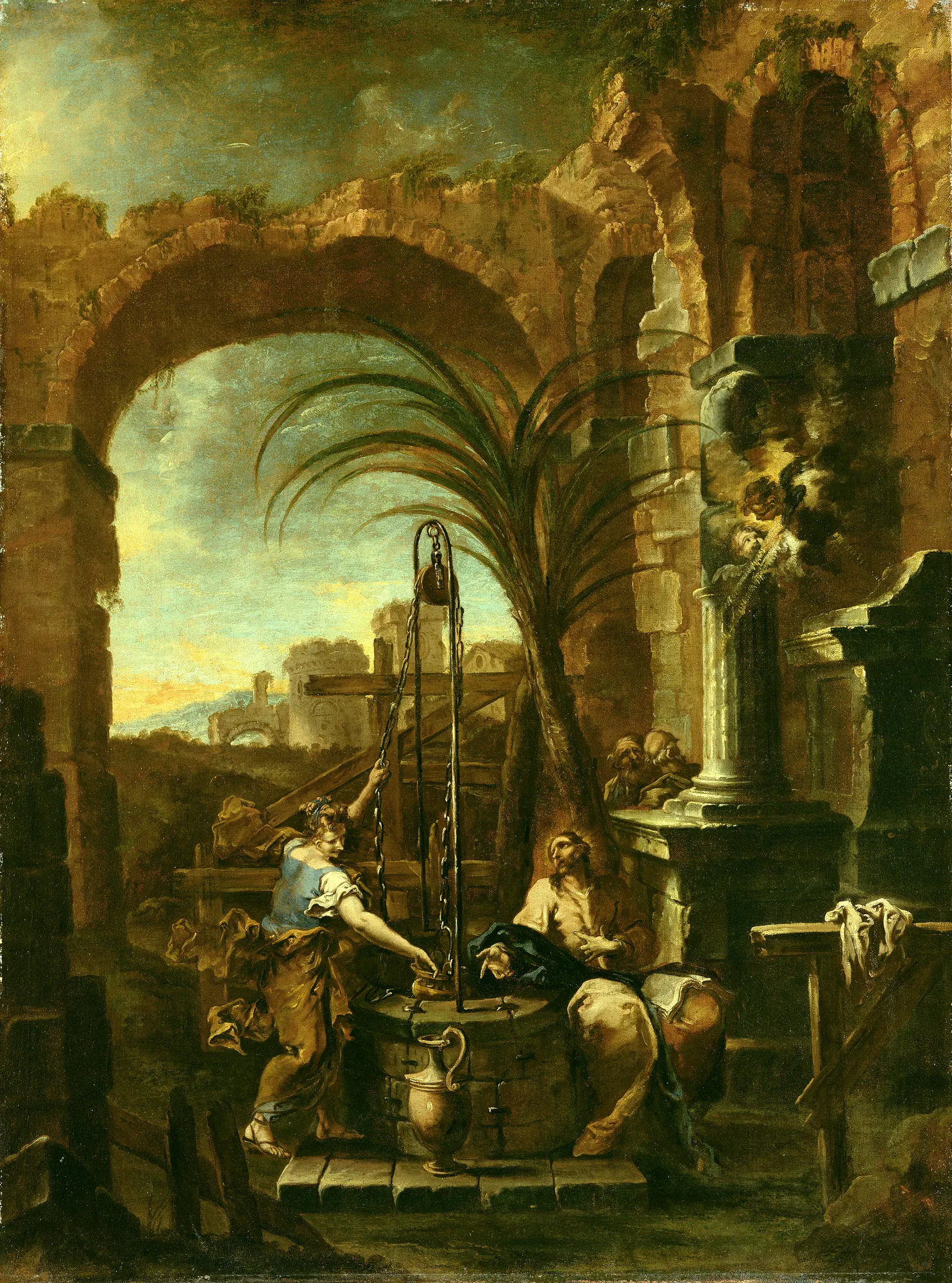
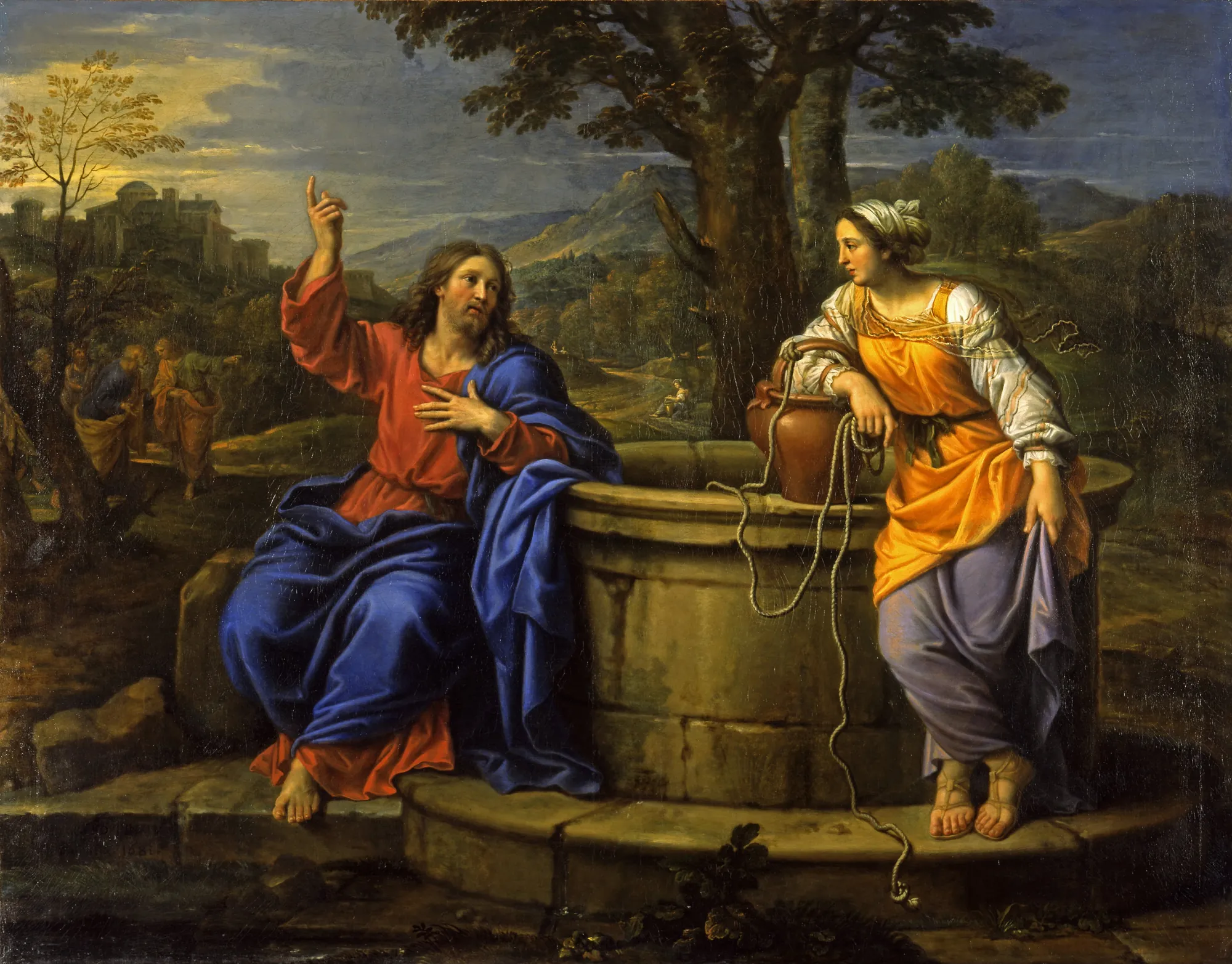
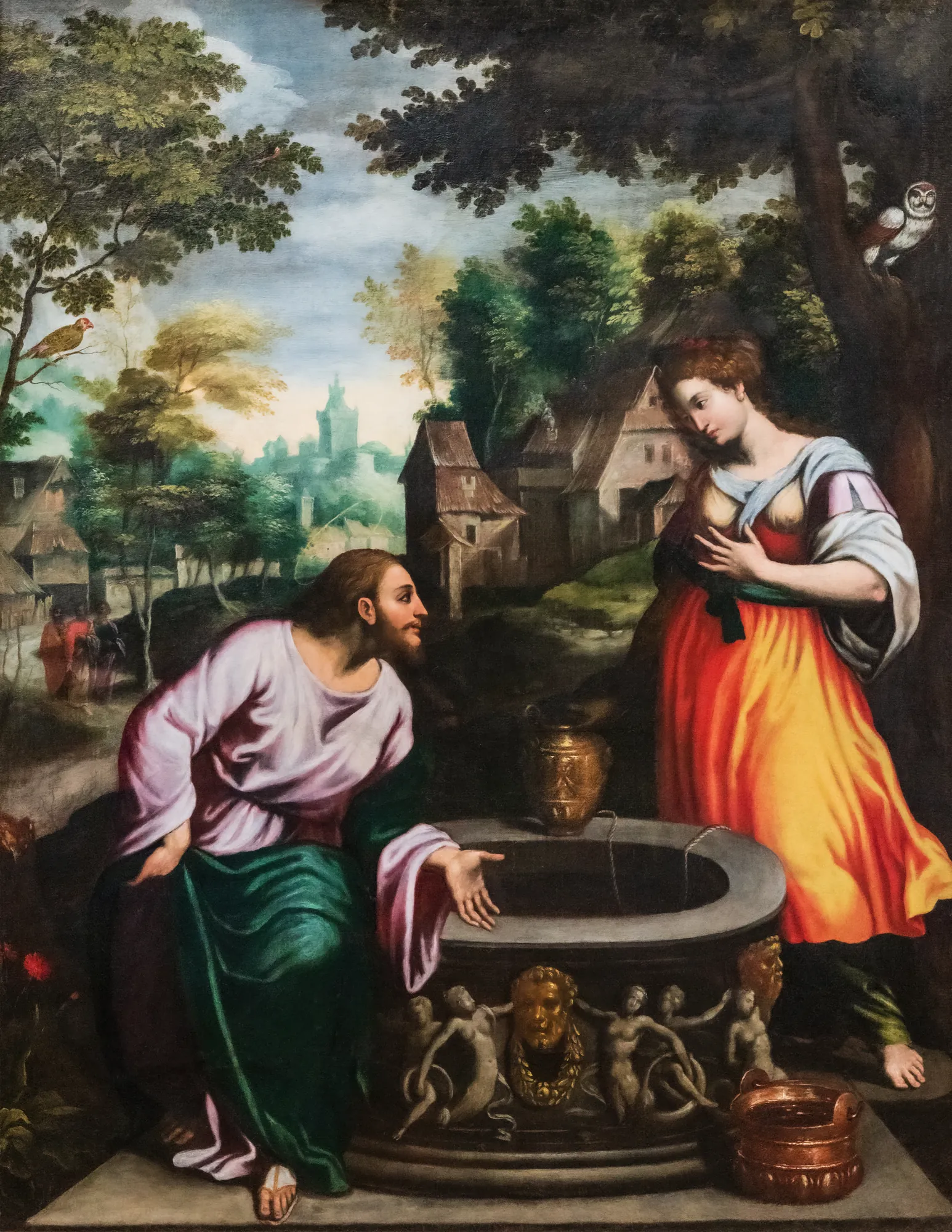
Christ and the Woman of Samaria
Unknown Artist
A vibrant 17th-century oil painting depicting the biblical encounter between Christ and the Samaritan woman at the well.
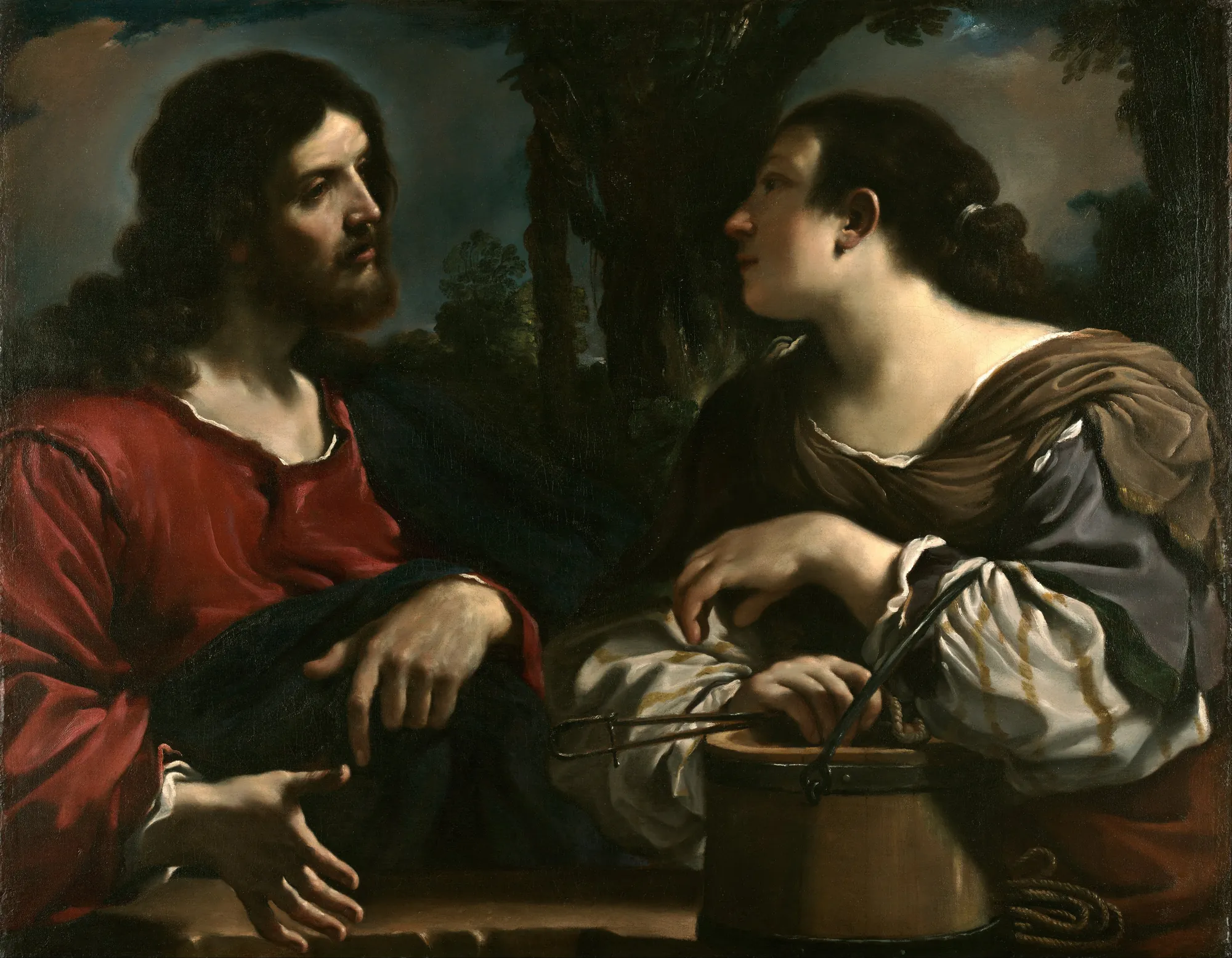
1619 · Oil Paint, Canvas
A masterful 17th-century Italian scene depicting an intimate biblical encounter with dramatic lighting and expressive detail.
$129
For the selected configuration
From $129
1 frame size
Made to order in ~2 business days · Free U.S. standard shipping (typically 5–8 business days after dispatch)
Where it works
A weightier piece with steady character with warm, lived-in color — brings a composed sense of weight.
About the piece
Painted in 1619 by the Italian Baroque master Guercino, this work captures the moment Christ speaks with the Samaritan woman at the well. The composition uses intense chiaroscuro to highlight the expressive features of the figures against a dark, atmospheric background, creating a sense of profound stillness and focus.
More like this
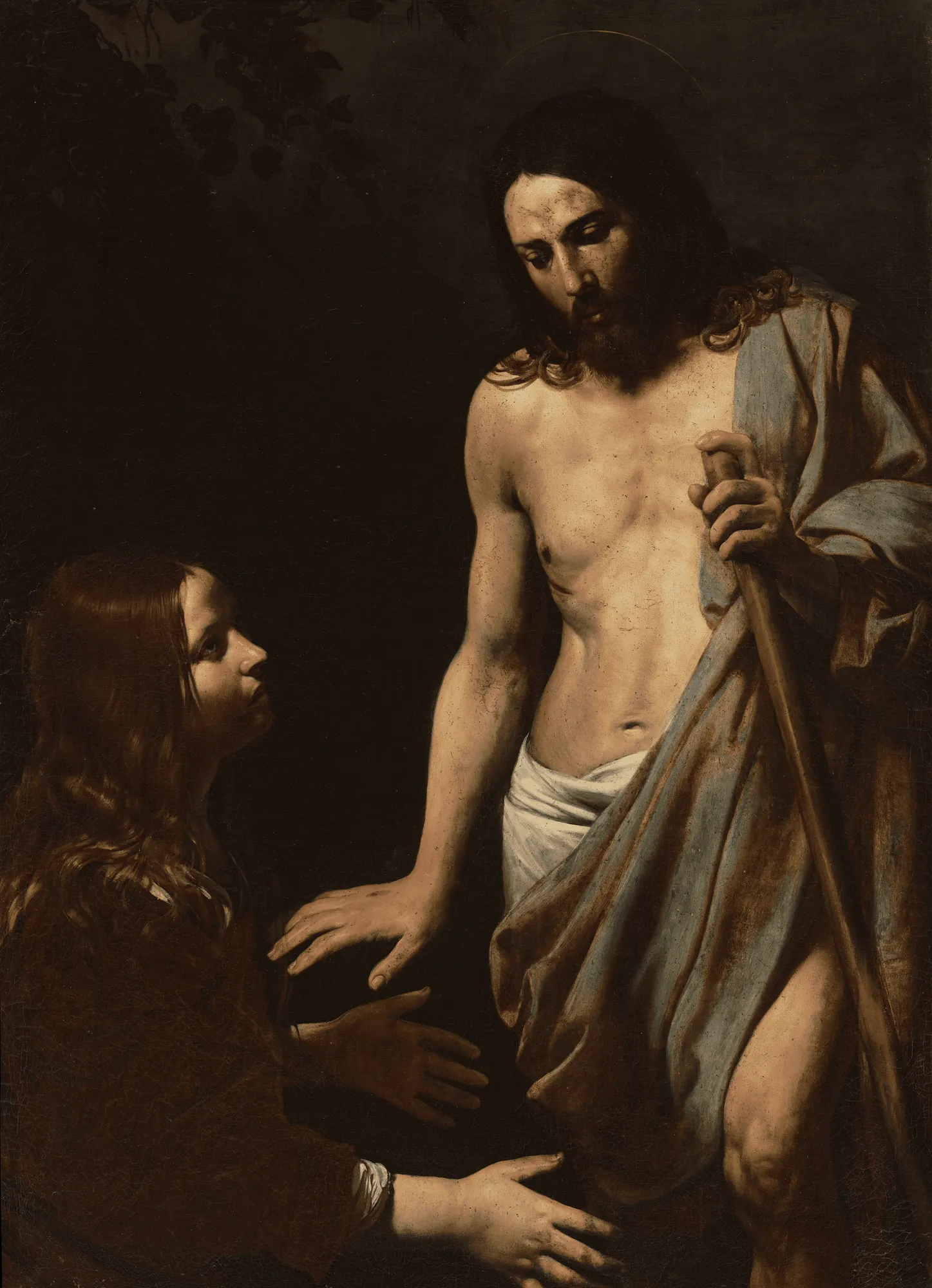
Contains nudity
Dark Academia
Valentin de Boulogne
A masterful Baroque scene of spiritual drama, defined by striking light and deep shadow.
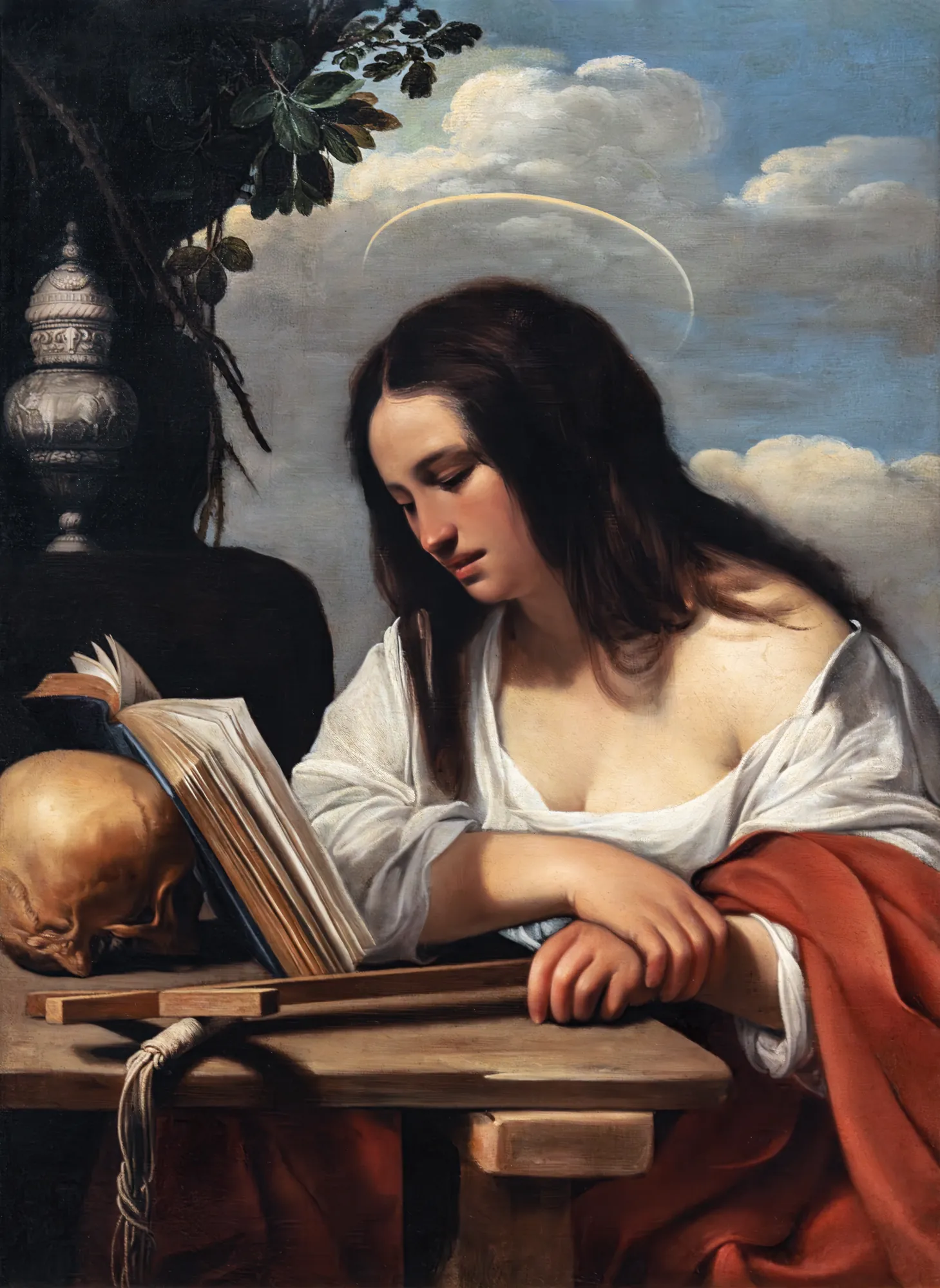
Contains nudity
Dark Academia
Carlo Saraceni
A profound Baroque study of reflection, depicting Mary Magdalene amidst symbols of mortality and faith.
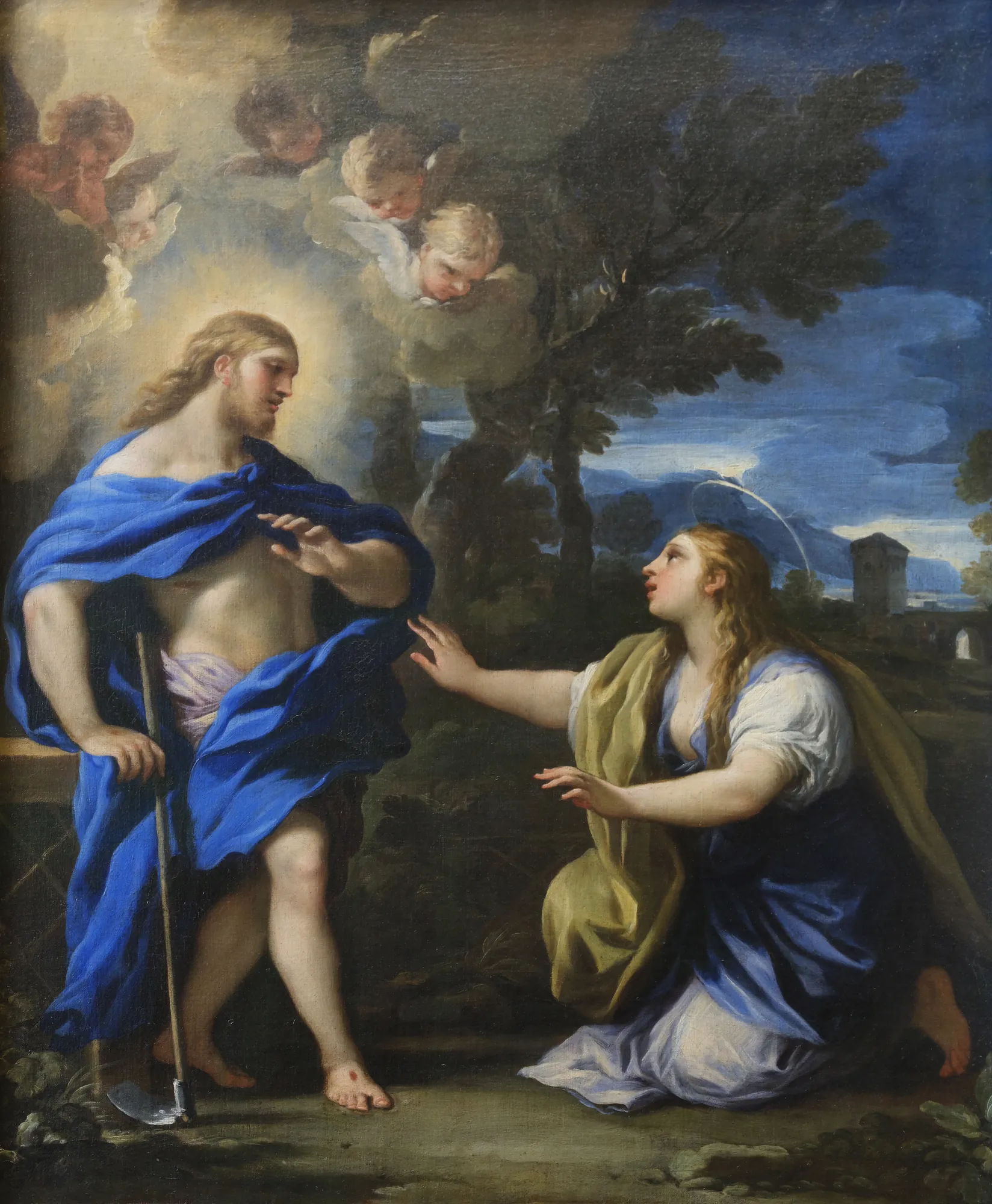
Contains nudity
Figure Studies
Luca Giordano
A dramatic Baroque scene of the resurrected Christ appearing to Mary Magdalene, featuring rich blue tones and celestial light.
Contains nudity
Figure Studies
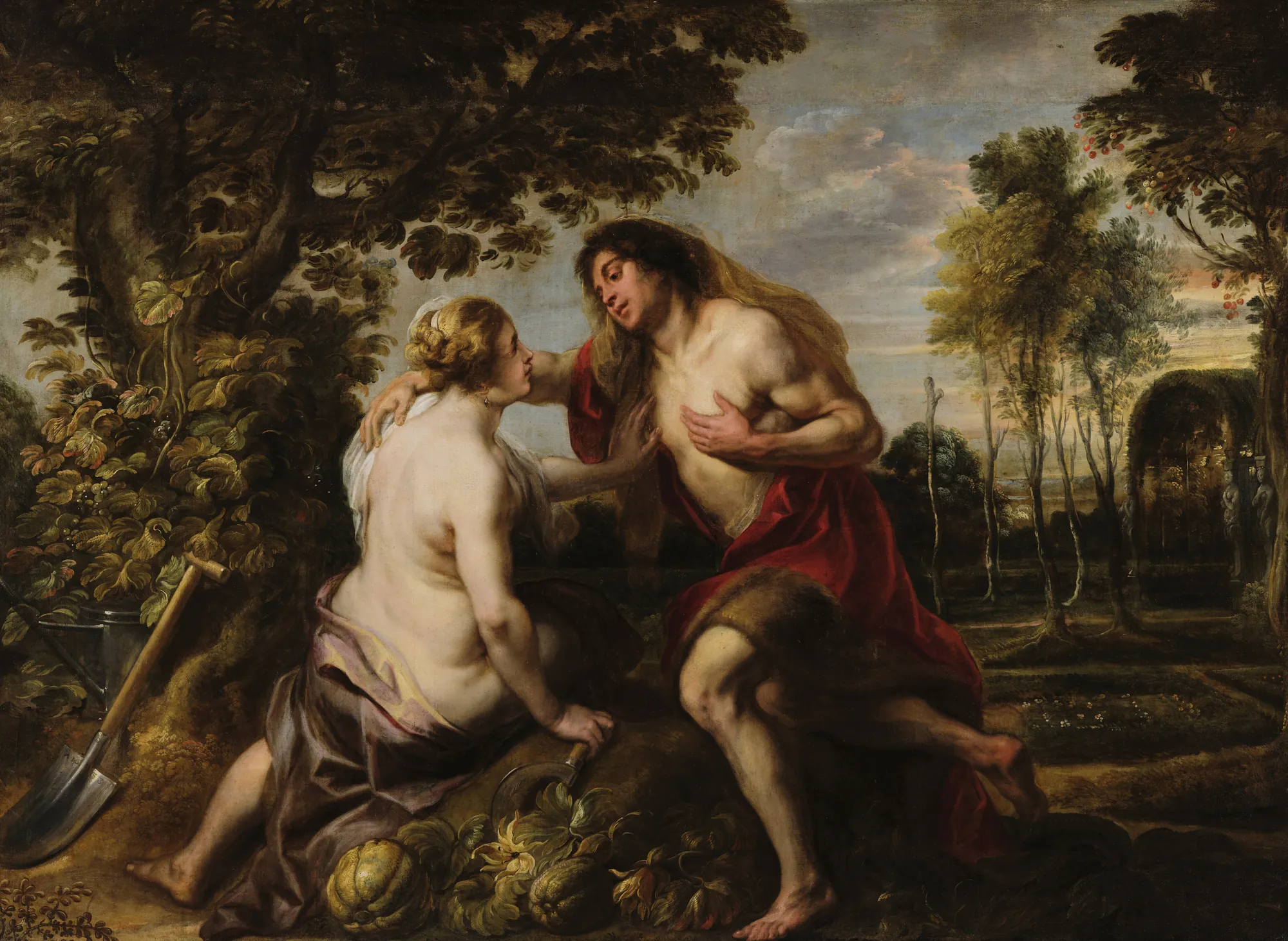
Jacob Jordaens
A masterful 17th-century mythological scene depicting the Roman deities of seasons and fruit in a lush garden setting.
1619 · Oil Paint, Canvas
A masterful 17th-century Italian scene depicting an intimate biblical encounter with dramatic lighting and expressive detail.
$129
For the selected configuration
From $129
1 frame size
Made to order in ~2 business days · Free U.S. standard shipping (typically 5–8 business days after dispatch)
Where it works
A weightier piece with steady character with warm, lived-in color — brings a composed sense of weight.