Dark Academia
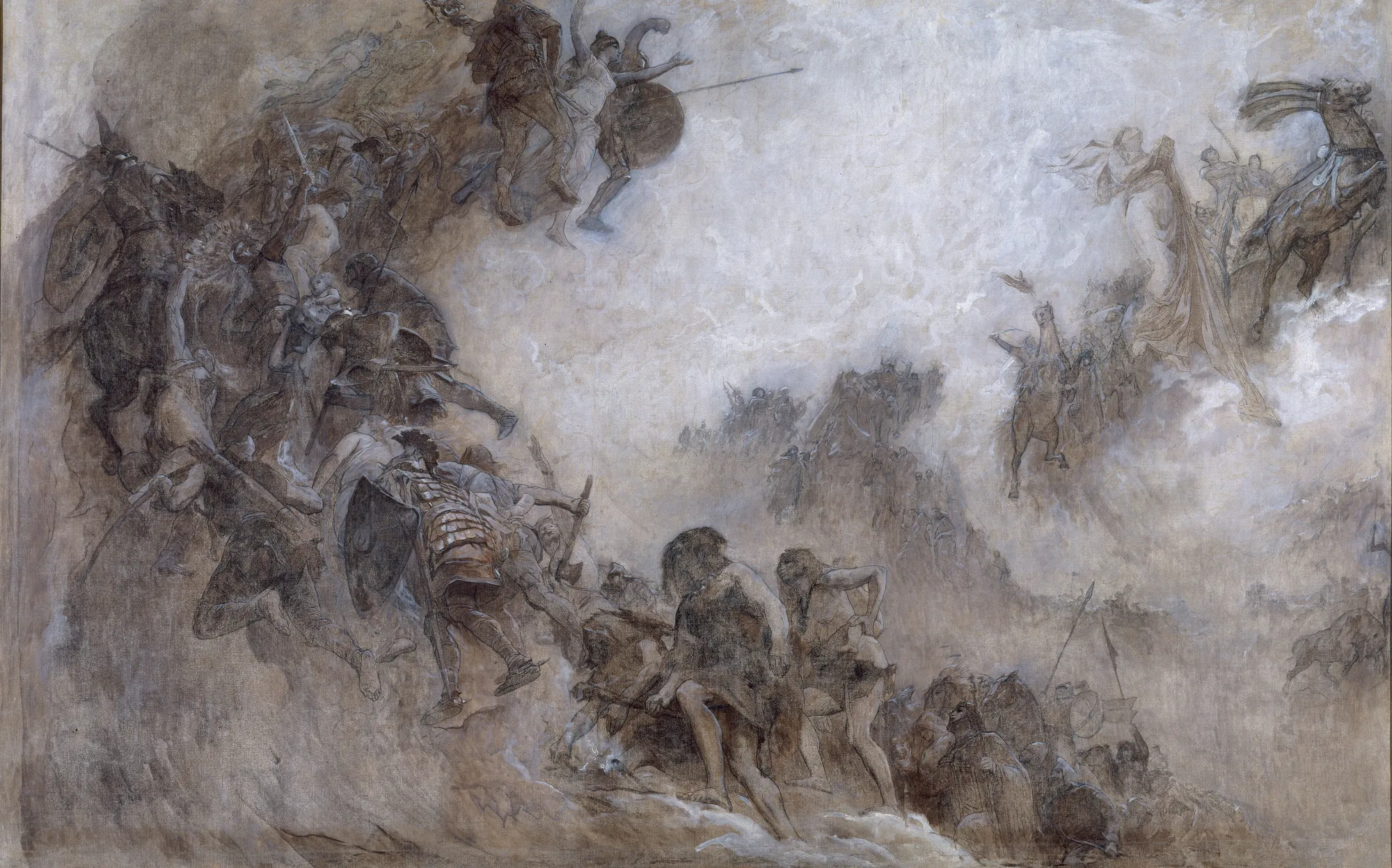
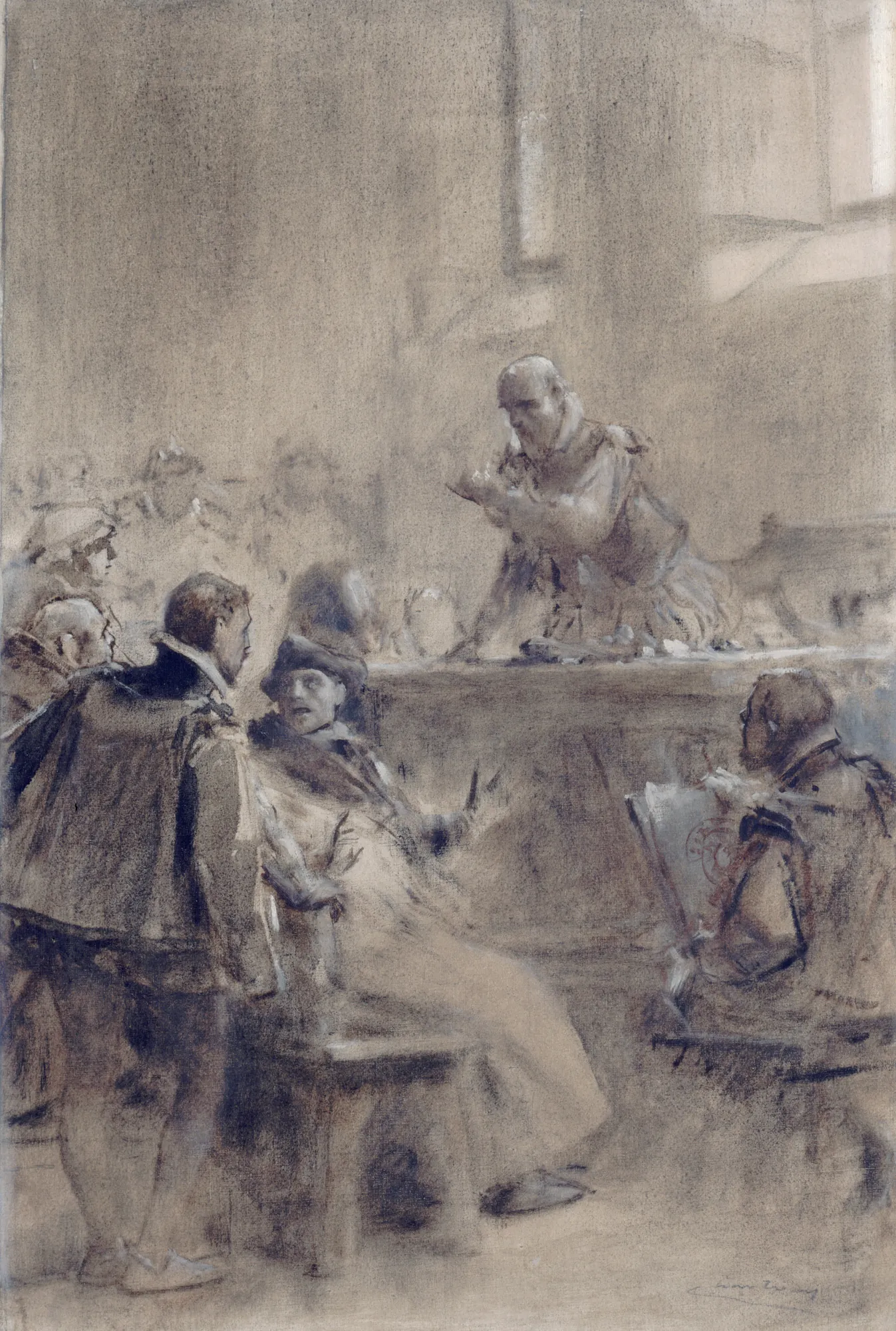
Bernard Palissy in Paris (Sketch for the Sorbonne)
Théobald Chartran
An atmospheric oil study depicting a historical academic assembly in a muted, scholarly palette.
1888 · Pencil, Oil Paint
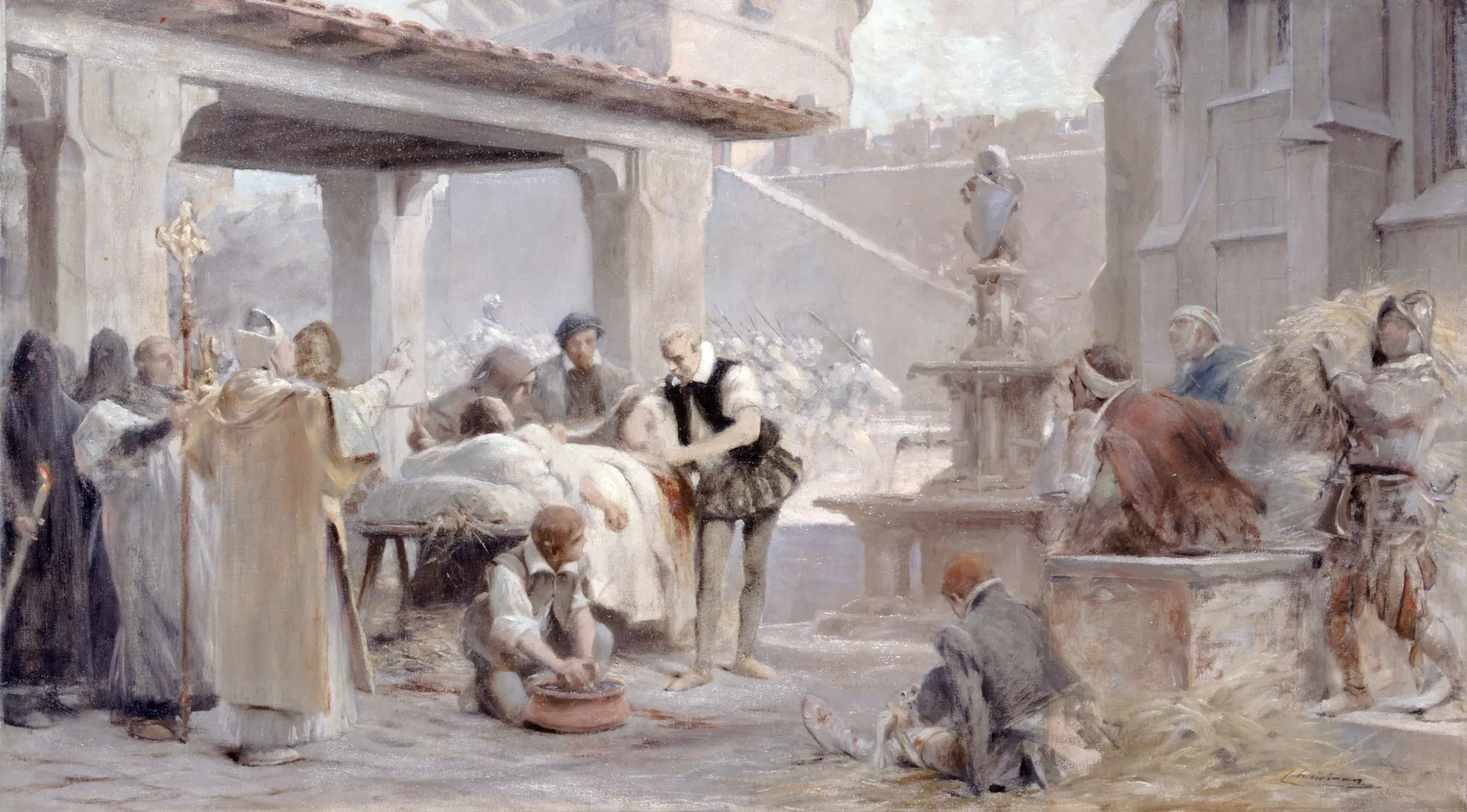
A poignant nineteenth-century historical study depicting a pioneering surgeon tending to the wounded during the Siege of Metz.
Unavailable
Made to order in ~2 business days · Free U.S. standard shipping (typically 5–8 business days after dispatch)
Where it works
A measured, grounding piece with softened warm notes — adds structure to a more polished room.
About the piece
This detailed oil sketch by Théobald Chartran captures a significant moment in French history: Ambroise Paré, the father of modern surgery, providing care at the Siege of Metz. Created in 1888 as a preparatory work for the Sorbonne, the piece exhibits a masterful handling of light and soft, atmospheric tones that lend the dramatic scene a sense of somber dignity and scholarly weight.
More like this
Contains disturbing content
Dark Academia
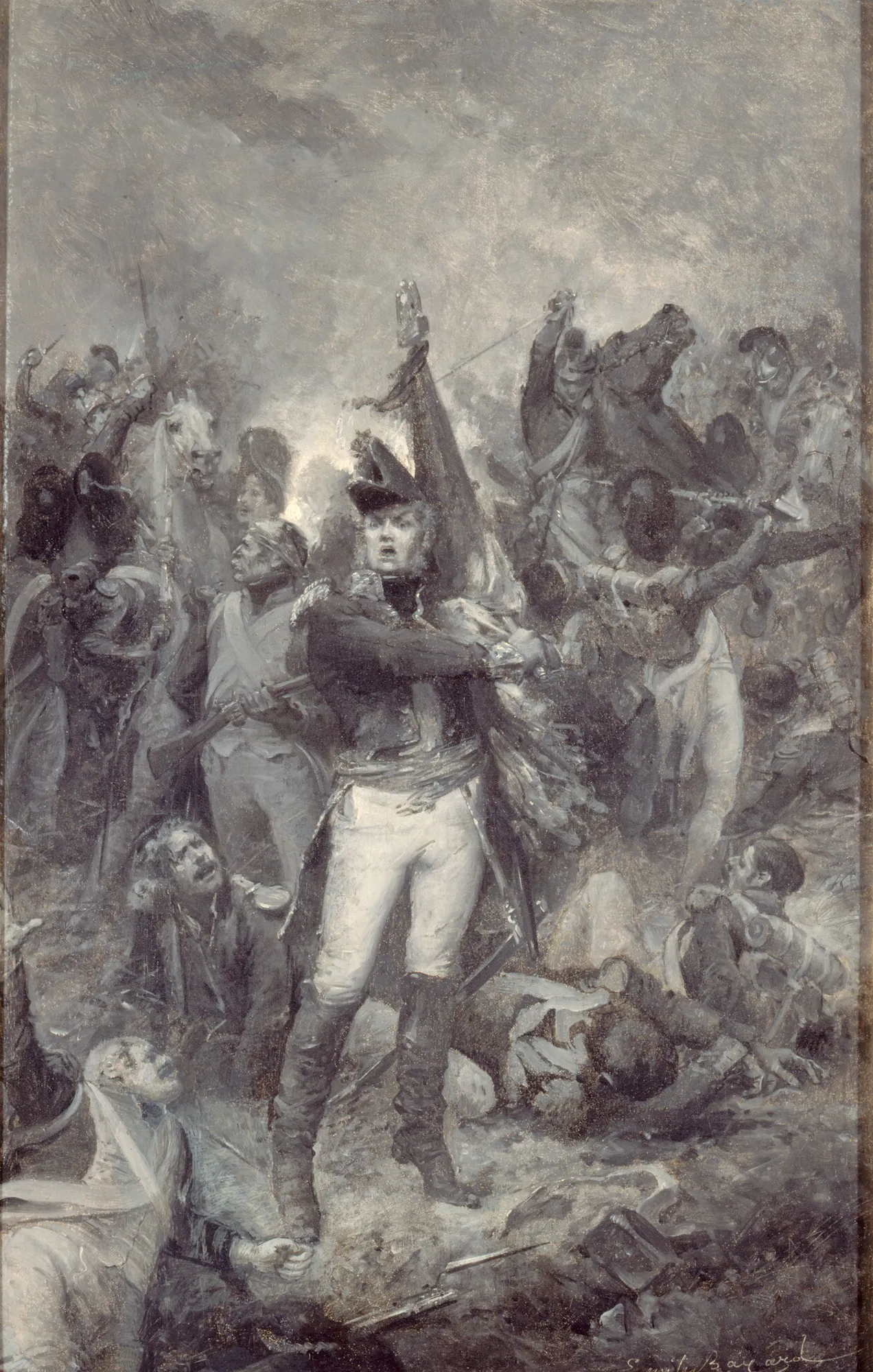
Émile Bayard
This dramatic monochromatic painting by Émile Bayard captures the intense heroism and turmoil of General Cambronne at the Battle of Waterloo.
Contains disturbing content
Dark Academia
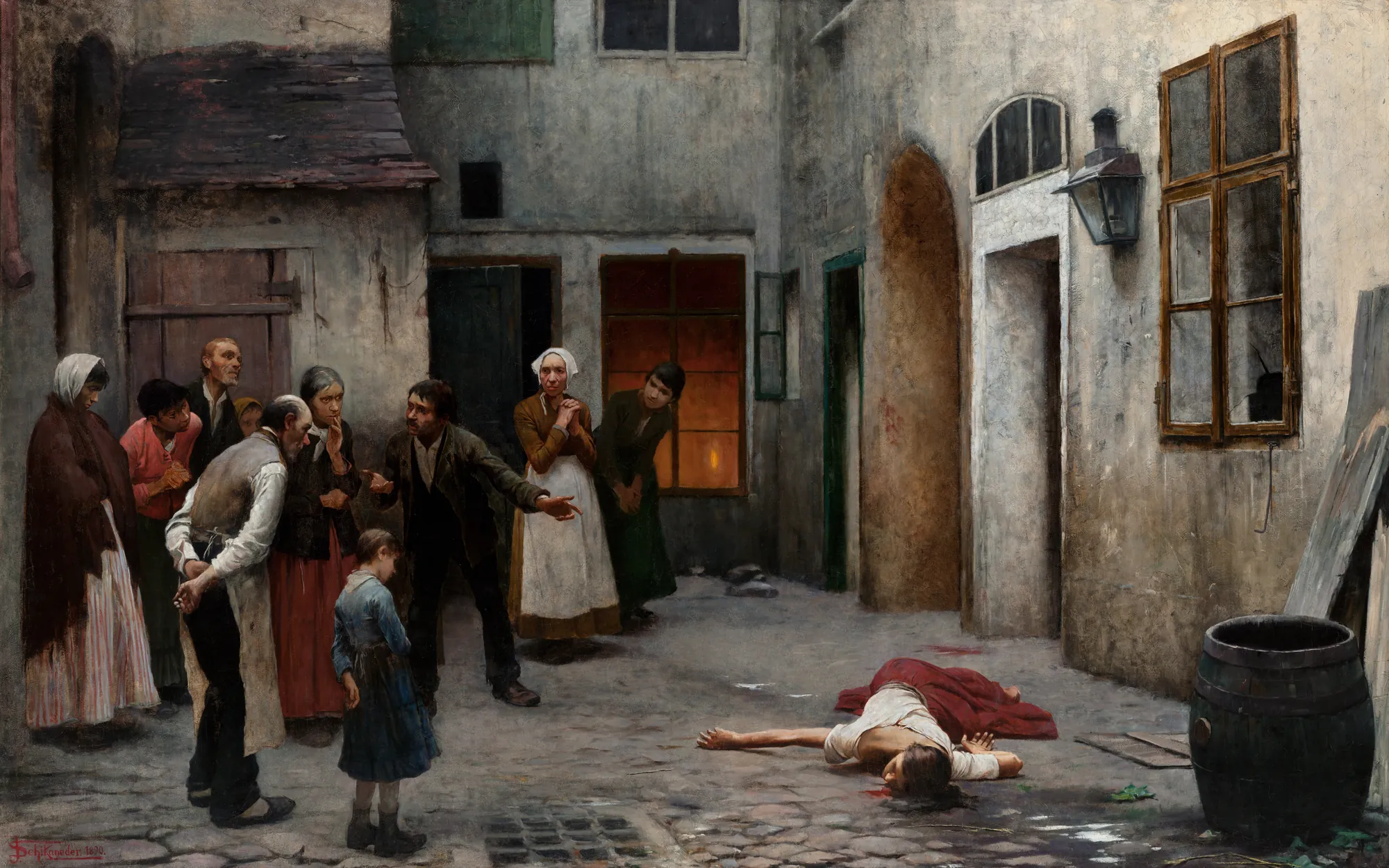
Jakub Schikaneder
An iconic work of European realism, this painting captures a tragic moment in a 19th-century Prague courtyard with masterful atmosphere.
Contains disturbing content
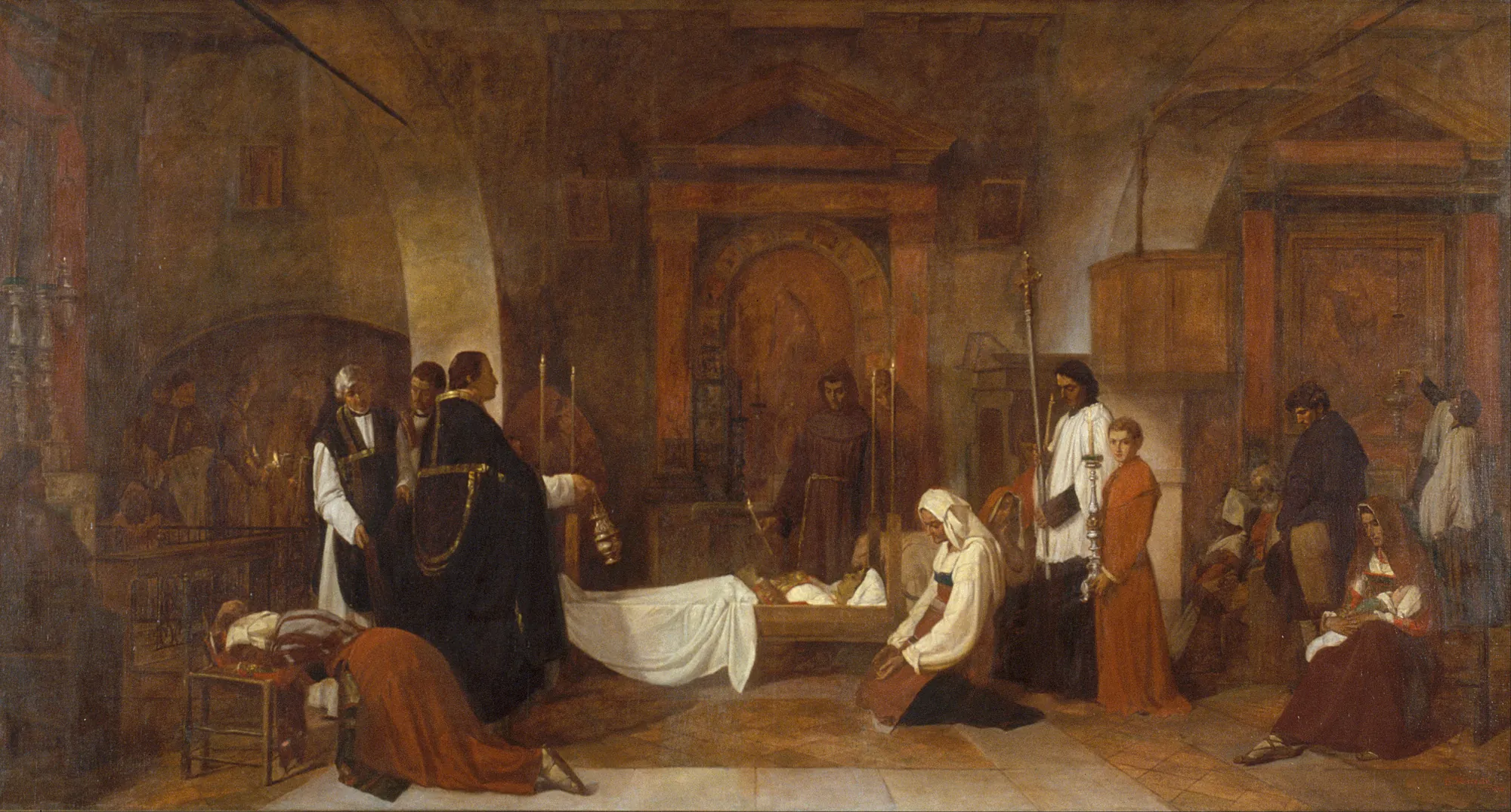
Dark Academia
Benet Mercadé
An evocative mid-19th century scene of a religious rite within the atmospheric interior of a historic Italian church.
1888 · Pencil, Oil Paint
A poignant nineteenth-century historical study depicting a pioneering surgeon tending to the wounded during the Siege of Metz.
Unavailable
Made to order in ~2 business days · Free U.S. standard shipping (typically 5–8 business days after dispatch)
Where it works
A measured, grounding piece with softened warm notes — adds structure to a more polished room.