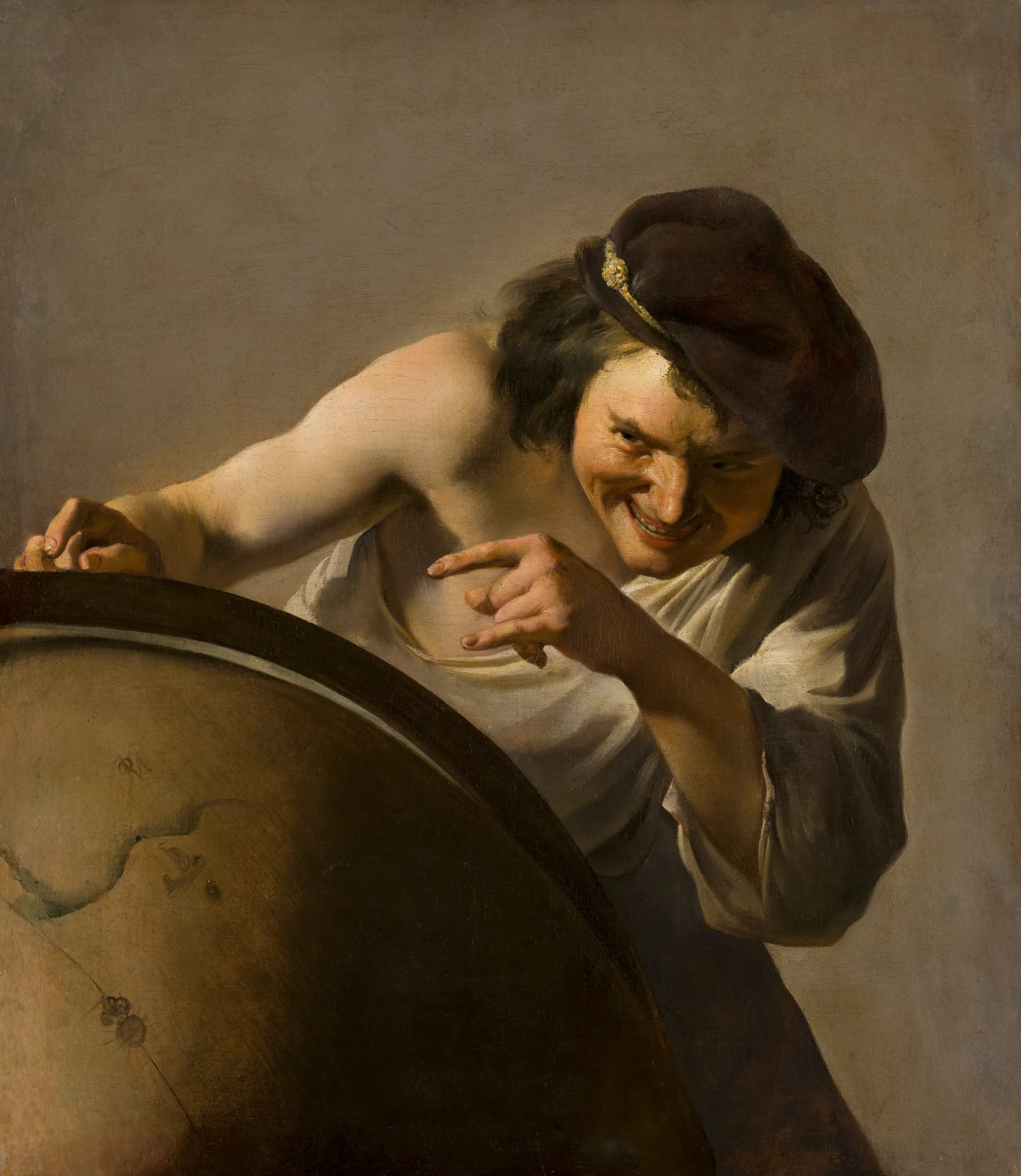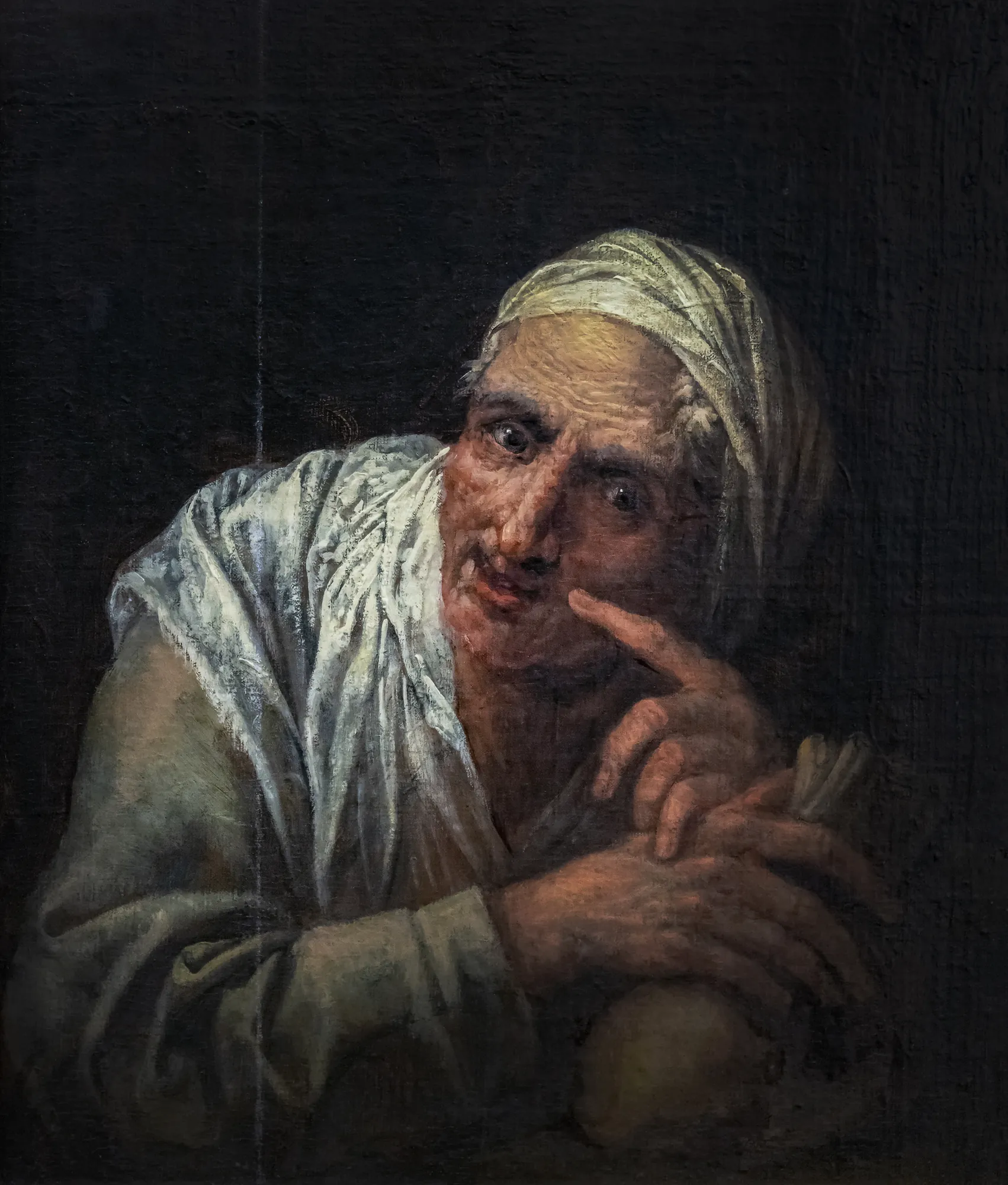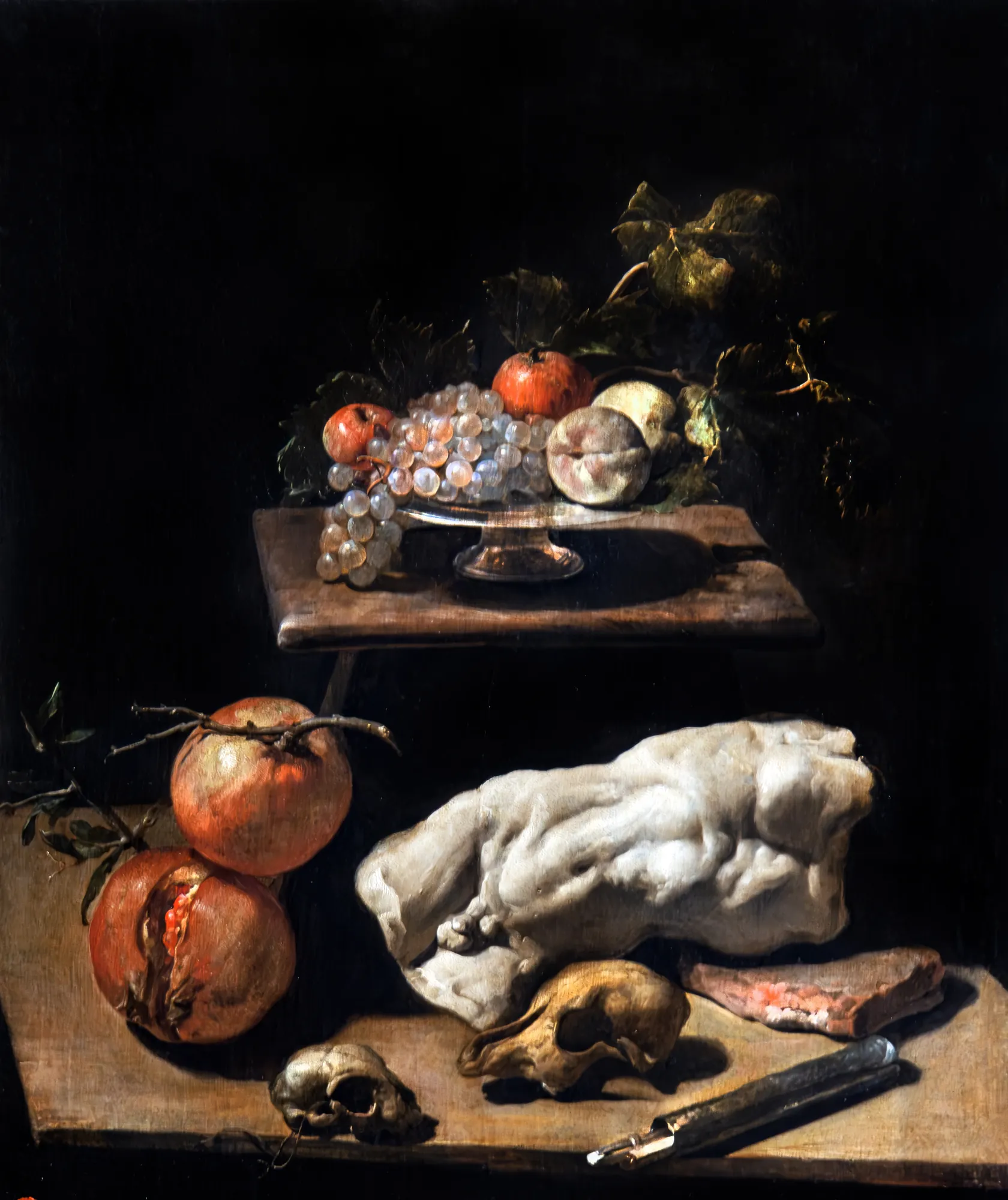
Old World Portraits
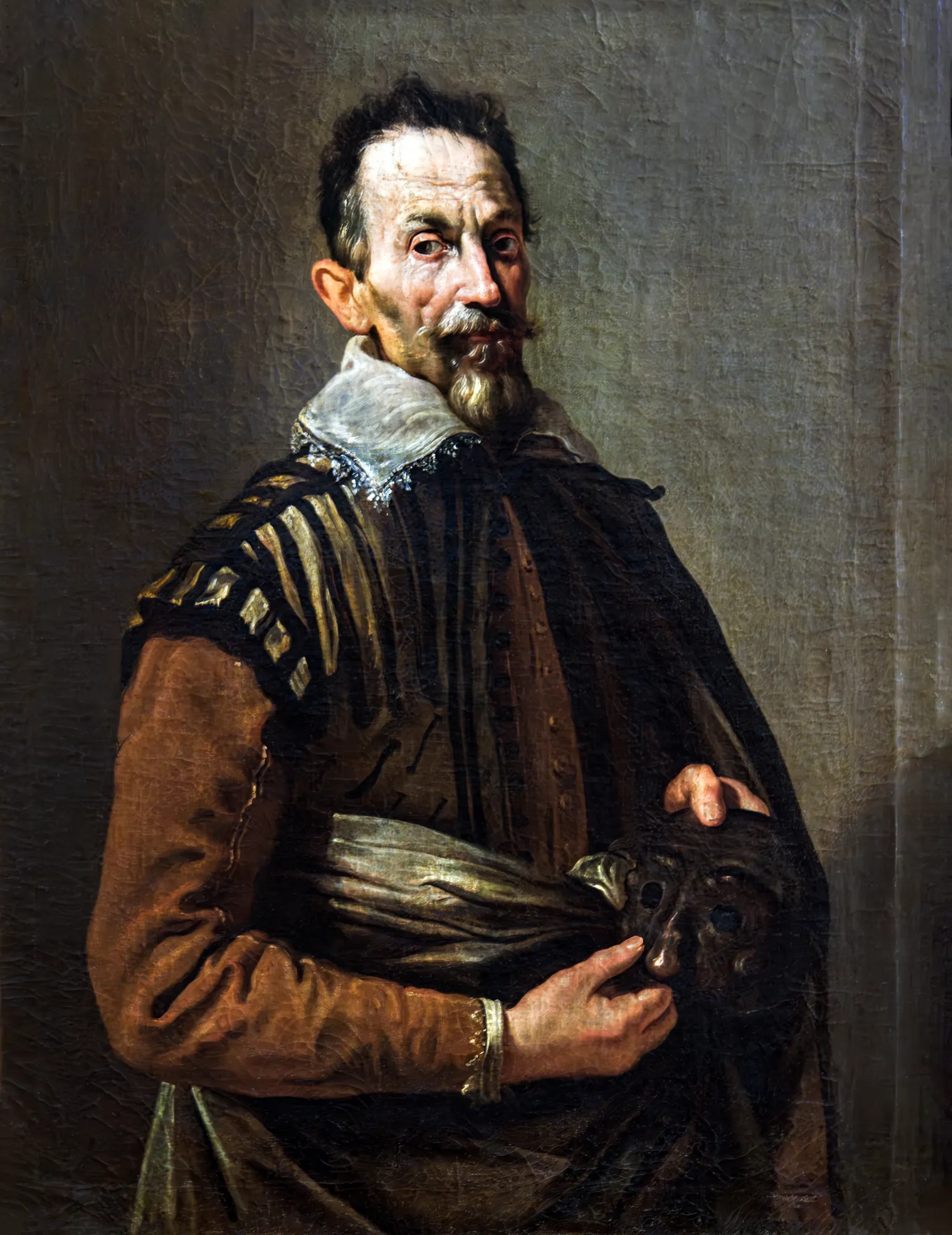
Portrait of Francesco Andreini
Unknown Artist
A dramatic 17th-century portrait of a man holding a mask, featuring rich textures and striking chiaroscuro.
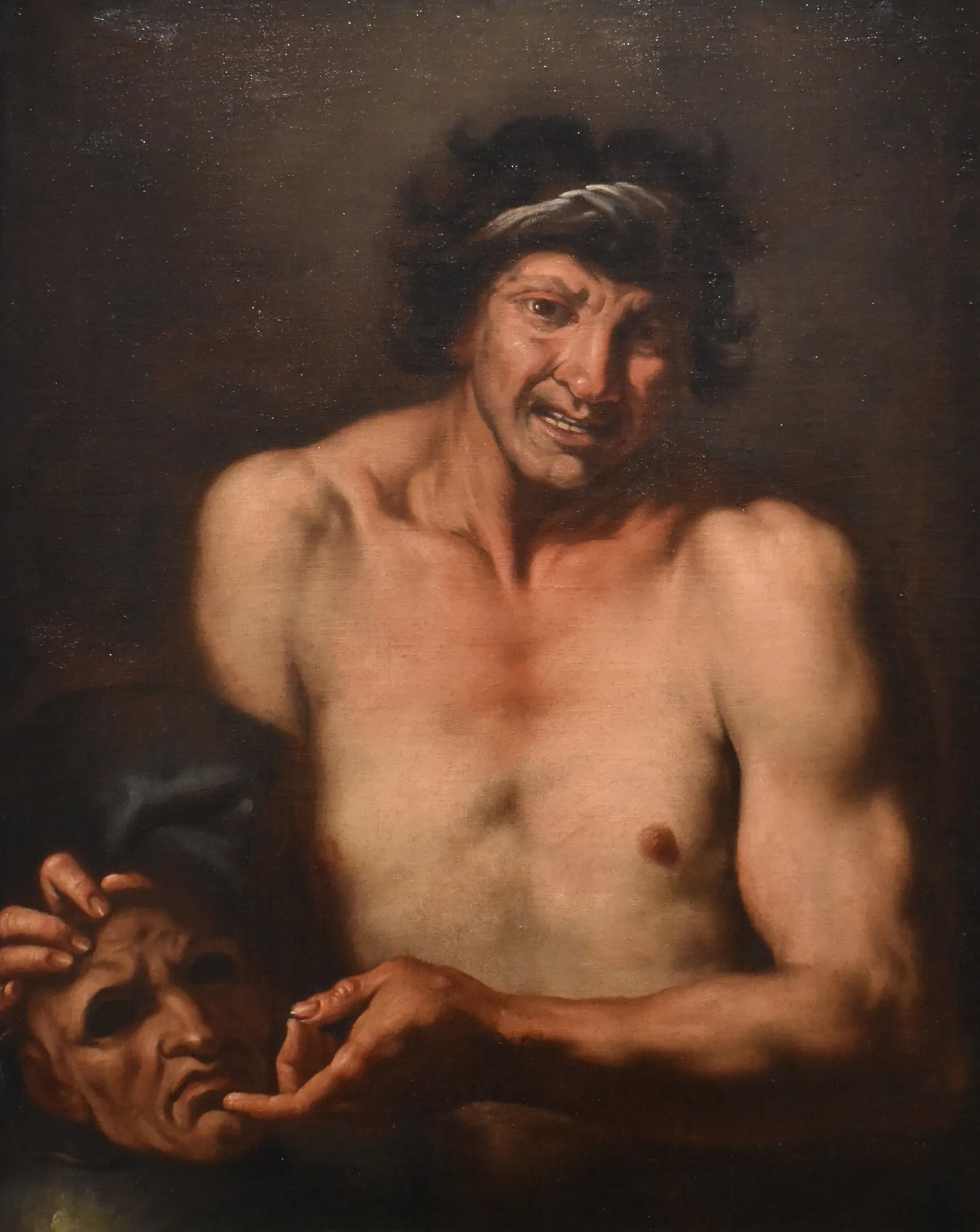
1650 · Oil Paint, Canvas
This dramatic 17th-century Baroque painting by Salvator Rosa explores theatricality and human emotion through bold light and shadow.
$129
For the selected configuration
From $129
1 frame size
Made to order in ~2 business days · Free U.S. standard shipping (typically 5–8 business days after dispatch)
Where it works
A substantial artwork with a strong pulse with warm, lived-in color — holds a formal wall with confidence.
About the piece
Attributed to Salvator Rosa and dating to approximately 1650, this compelling work is an 'Allegory of Laughter.' The composition features a muscular figure in a state of expressive tension, holding a dramatic mask that mirrors his own features. The work is a quintessential example of the Italian Baroque style, characterized by its deep shadows and psychological intensity.
More like this
Contains nudity
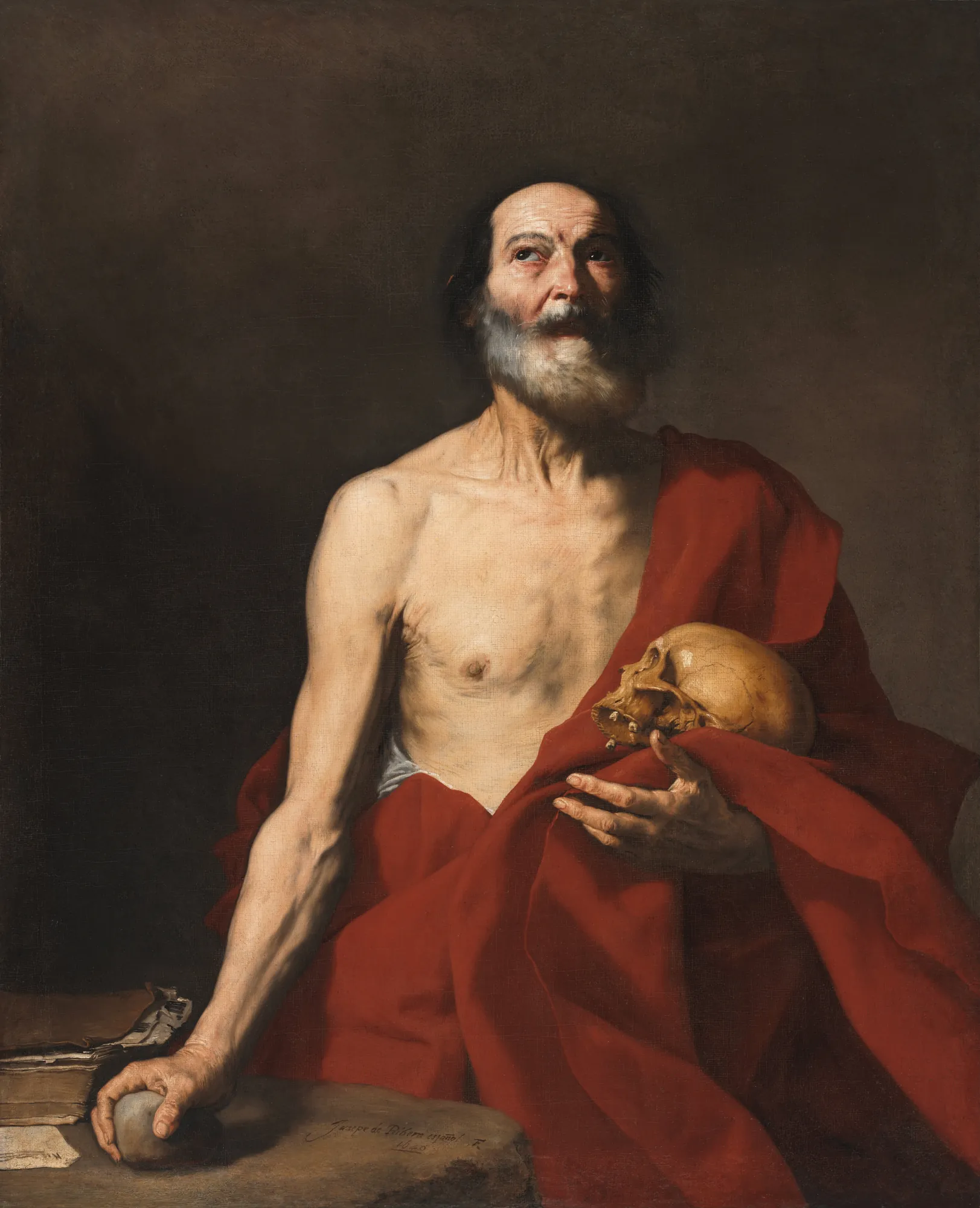
Figure Studies
Jusepe de Ribera
A dramatic 17th-century Spanish Baroque masterpiece featuring a striking red-draped figure and deep tonal contrast.
Contains nudity
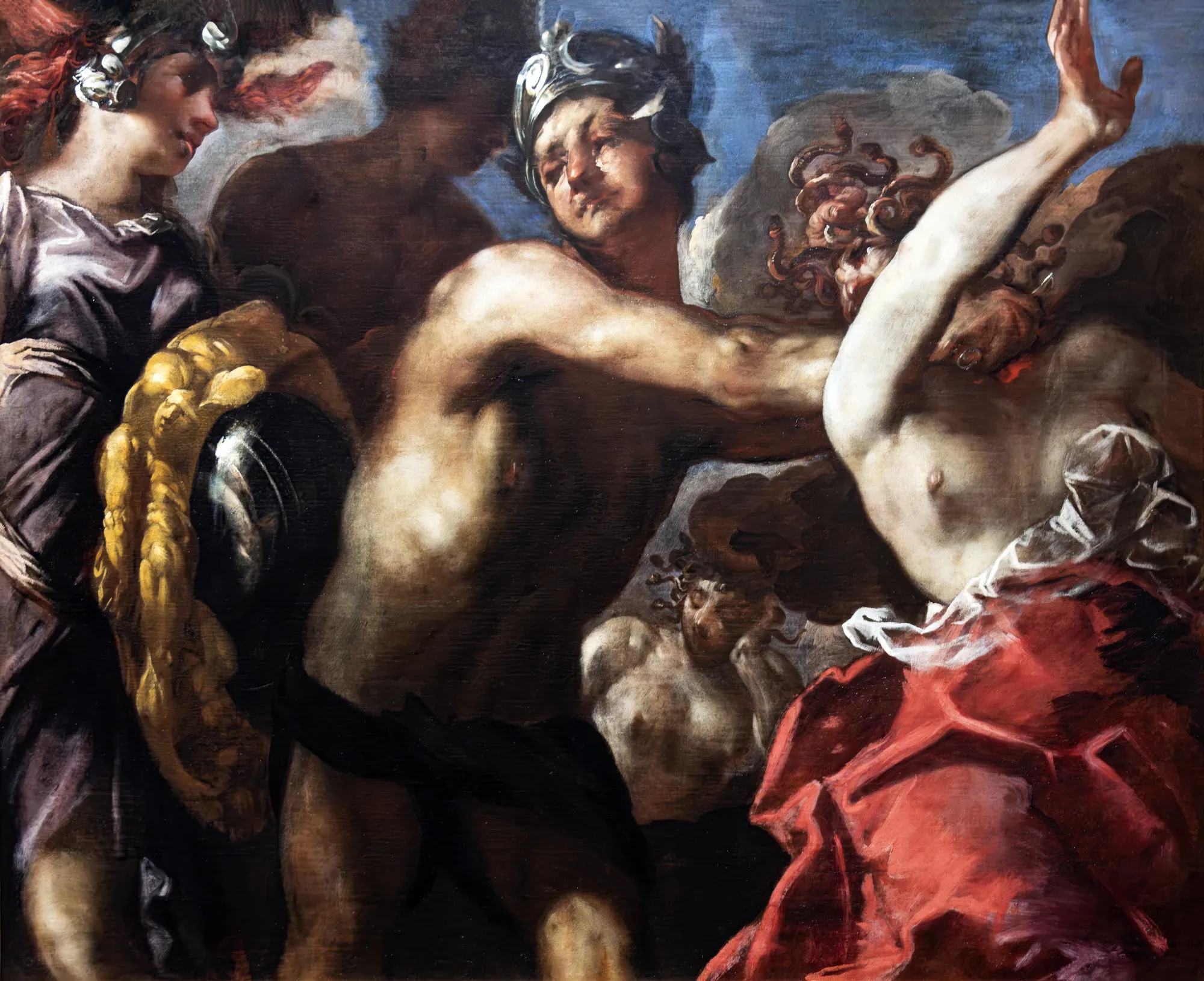
Figure Studies
Francesco Maffei
A dramatic 17th-century Baroque masterpiece capturing the intense moment of Perseus defeating Medusa.
Contains nudity
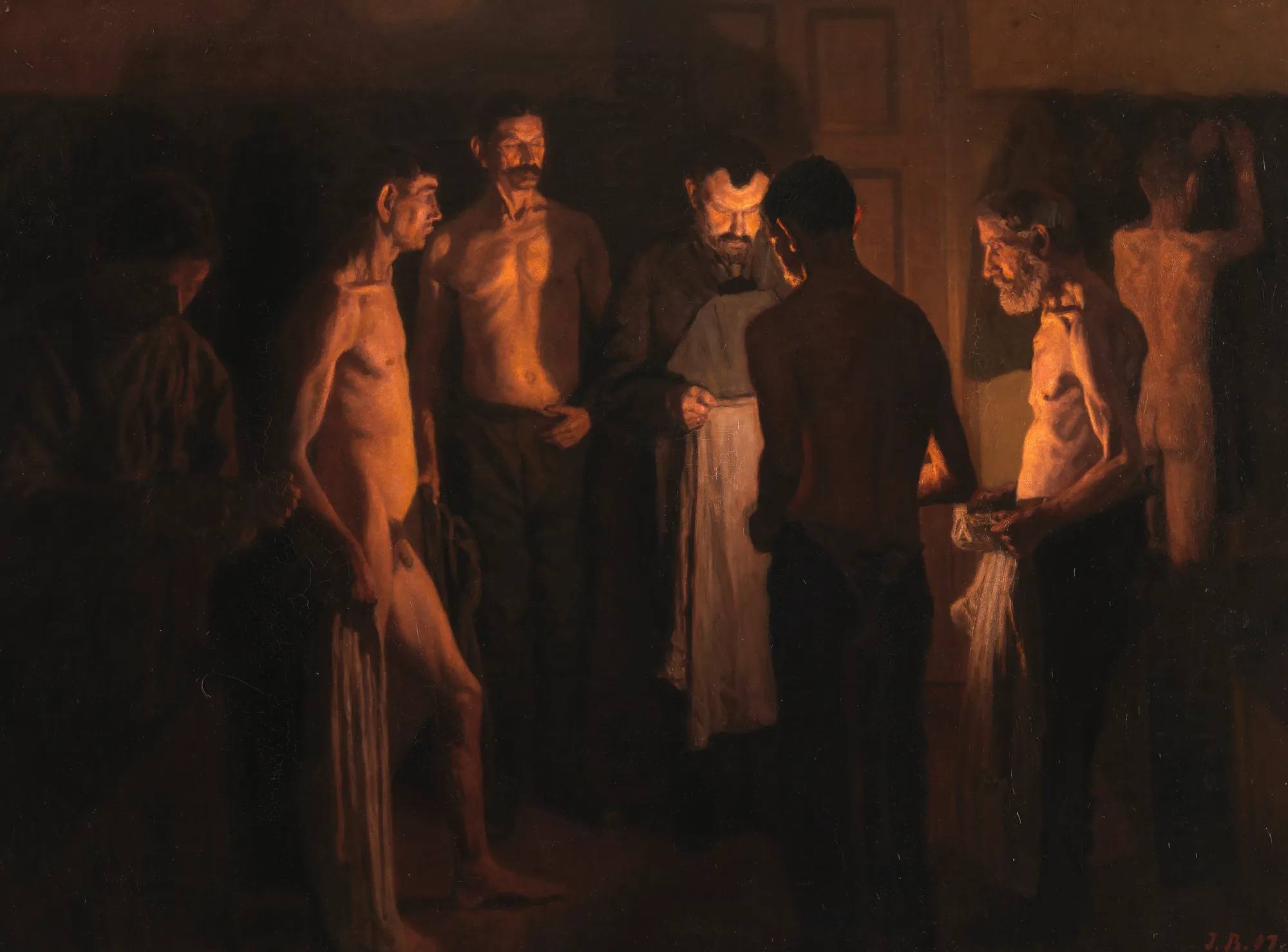
Dark Academia
Jens Birkholm
A striking example of social realism, this work uses dramatic chiaroscuro to capture a quiet, intimate moment among men in a shelter.
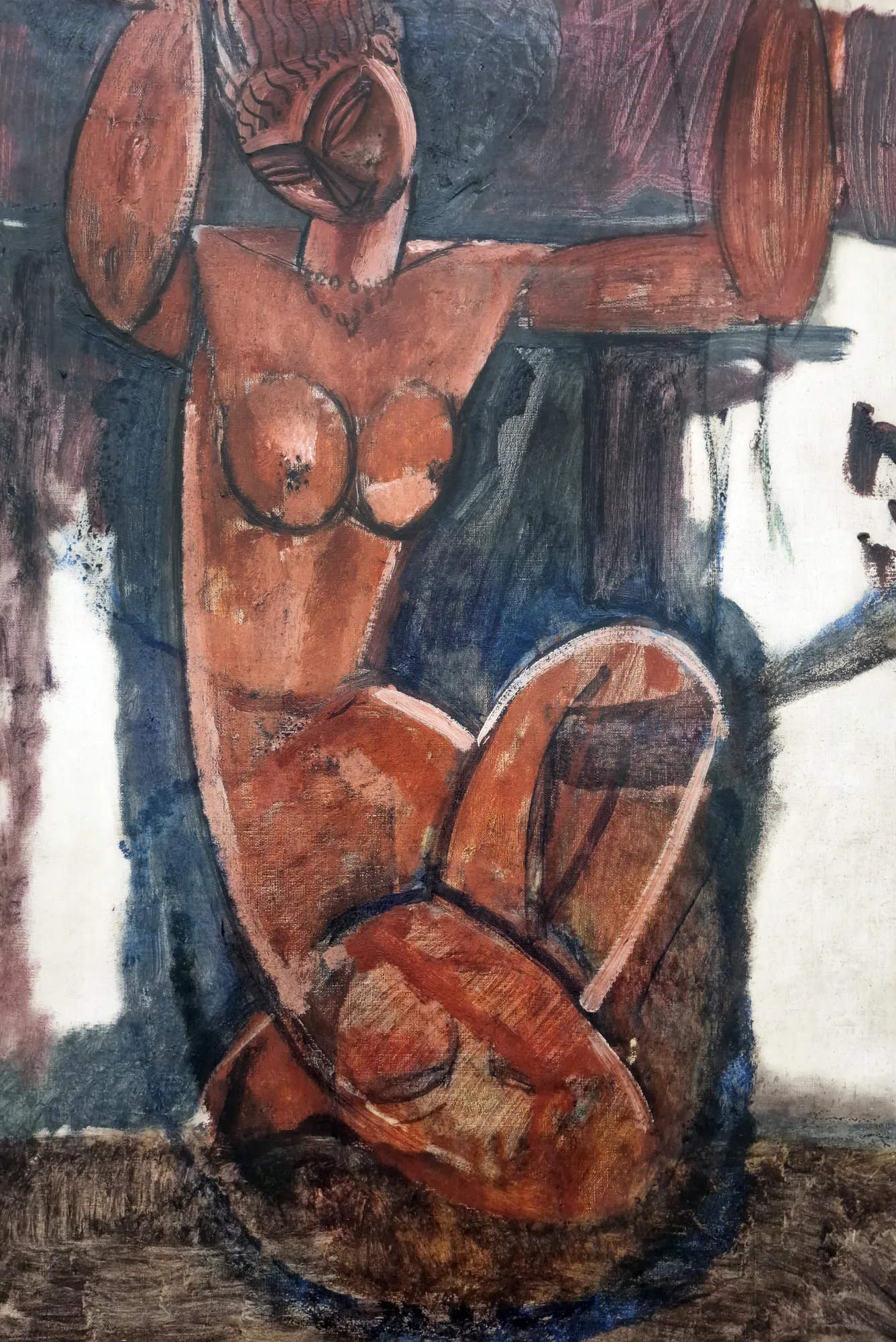
Contains nudity
Figure Studies
Amedeo Modigliani
This 1911 study by Amedeo Modigliani captures a female figure in a powerful, sculptural pose using bold lines and a warm, earthy palette.
1650 · Oil Paint, Canvas
This dramatic 17th-century Baroque painting by Salvator Rosa explores theatricality and human emotion through bold light and shadow.
$129
For the selected configuration
From $129
1 frame size
Made to order in ~2 business days · Free U.S. standard shipping (typically 5–8 business days after dispatch)
Where it works
A substantial artwork with a strong pulse with warm, lived-in color — holds a formal wall with confidence.